En bref
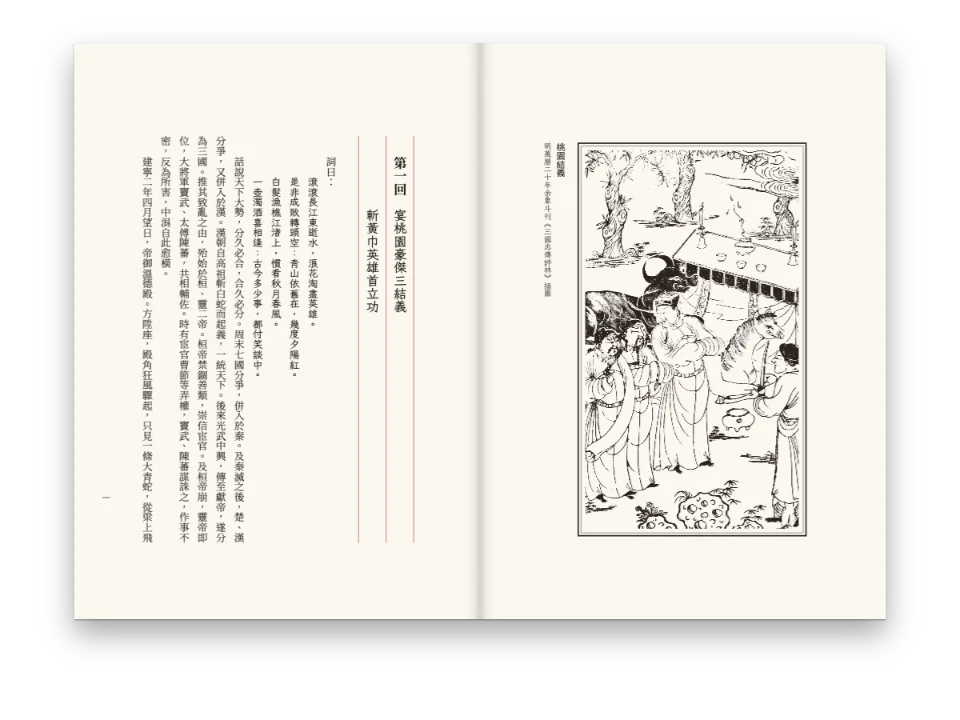
Le début d’un classique japonais en livre de poche : le texte court en colonnes de haut en bas, lues de droite à gauche, avec de petits kana à côté des caractères les plus difficiles.
Ce que vous allez composer
Neuf pages d’un livre de poche japonais (文庫, bunko) des Dix rêves (Ten Nights of Dreams) de Natsume Sōseki, la première et la deuxième nuit, sur une page A6 de 105 × 148 mm reliée à droite. La page de titre se trouve seule à gauche du dos ; à partir de la page 2, le texte court de haut en bas en lignes lues depuis la droite, 38 caractères de haut et 15 lignes de large, en Shippori Mincho B1 de 9 pt avec un pas de 1,75 em. Les lectures qu’Aozora Bunko donne pour les kanji les plus difficiles se tiennent à côté d’eux en kana demi-corps, le titre de chaque nuit prend trois lignes de la grille, et les pages de gauche portent le titre du livre le long de la tranche, au-dessus d’un folio en chiffres kanji. Le livre de poche européen de même structure est Nº 104, et le roman chinois vertical est Nº 075.
Cette recette répond à
- Comment composer un roman japonais à la verticale, relié à droite, comme un livre de poche bunko ?
- Comment ajouter des furigana au-dessus des kanji, une lecture par caractère ou une pour le mot entier ?
- Comment transformer un texte d’Aozora Bunko en livre Postext ?
- Comment faire occuper à un titre japonais trois lignes de texte (3行取り) pour que le texte reste sur la grille ?
La réponse courte
// 'vertical-rl' sets each line top to bottom and the lines from right to left; with the
// binding left to 'auto' the book opens from the right, so page 1 is a left-hand page and
// the spreads read [3 | 2]. locale 'ja' gives the cjk settings Japan's values: they are
// written out below so you can see them, and leaving them out sets the same page.
const page = {
  sizePreset: 'custom', width: mm(105), height: mm(148), dpi: 200, // 文庫判 A6
  backgroundColor: col('paper'),
  // 天 above 地; left is the spine side (the right edge of a left-hand page). The grid
  // grows the margins of each pair alike, so the head stays deeper than the foot.
  margins: { top: mm(15), bottom: mm(11), left: mm(9), right: mm(12), mirror: true },
  pageNumbering: { format: 'japanese-informal' }, // folios 一, 二 … 十, 十一
};
const layout = { layoutType: 'single', writingMode: 'vertical-rl' };
const cjk = {
  grid: { enabled: true, charsPerLine: CHARS, linesPerPage: LINES },
  lineBreak: 'ja-very-strict', // 行頭禁則: no 、。」ー or small kana at the head of a line
  hangingPunctuation: 'allow', // ぶら下げ: a 、。 that would open a line hangs below the last
  paragraphStartBracket: 'half', // ③: a 「 that opens a paragraph fills the indent cell
  ruby: { align: 'jis', overhang: 'kana' }, // JIS 1:2:1, a reading may run onto kana only
};
Ingrédients
- Fonctionnalités
- Texte verticalFurigana : lectures en kana au-dessus des kanjiTitres sur plusieurs lignes du texte (gyōdori)Livres reliés à droiteCoupure des lignes en japonais (kinsoku)Espacement de la ponctuation japonaise (yakumono)Grille de caractèresNumération japonaise et compteurs en kanaImport depuis Aozora BunkoKana, kanji et rōmajiPolices chinoises, japonaises et coréennesRuby : lectures en pinyin et en zhuyinTitres courants et foliosTitres courants selon le rôle de la pageMarges en miroirStyles de titreNiveaux de titreCouleur du papierPalette de couleurs sémantiqueExport PDF
- Utilise aussi
- Coupure des lignes en chinoisLargeur de la ponctuation chinoiseAttributs de titreOuvertures composéesPolices intégrées au PDFPages liminaires en chiffres romainsTitres courants par sectionChapitres non numérotés
- Typographie
- Shippori Mincho B1, Noto Sans JP (SIL OFL 1.1)
- Ressources
- Aucune : chaque image est dessinée en code
Préparation
#1 · Tourner la page, la compter en caractères et la marquer ja
Le code est dans la réponse courte plus haut. layout.writingMode: 'vertical-rl' met chaque page en page comme une page horizontale tournée d’un quart de tour dans le sens des aiguilles d’une montre, et page.binding, laissé à 'auto', relie un livre vertical à droite : la page 1 reste le recto, mais elle se trouve à gauche du dos, et mirror: true place sa marge intérieure à sa droite (Écriture verticale, Reliure). La grille de caractères donne au bloc de texte 38 caractères de 9 pt de haut (120,7 mm) et 15 lignes de 15,75 pt de large (83,3 mm) ; les marges de page sont des minimums, et la grille agrandit chaque paire de la même quantité : la tête reste donc 4 mm plus profonde que le pied. Demandez plus de lignes que les marges ne le permettent, et la grille en retire une sans rien dire (cjkGridClamped dans doc.configWarnings) : ce sont le petit fond de 9 mm et la marge de tranche de 12 mm qui permettent de loger 15 lignes.
locale: 'ja' règle le reste comme se composent les livres japonais : les quatre lignes cjk écrites ici ne changent donc rien, elles montrent ce que choisit la balise. ja-very-strict est la règle de début de ligne de JIS X 4051 (行頭禁則) : aucune ligne ne s’ouvre sur 、。」, ー ou un petit kana comme っ. hangingPunctuation: 'allow' laisse un 、 ou un 。 qui ouvrirait sinon une ligne pendre sous le dernier caractère (ぶら下げ), ce que font les bunko au lieu de serrer la ligne. paragraphStartBracket: 'half' est le modèle ③ de JLReq : un paragraphe qui s’ouvre sur 「 place le crochet dans la seconde moitié de son retrait d’un caractère, si bien que le premier caractère de la réplique se tient là où se tient celui de tous les autres paragraphes (Typographie d’Asie orientale). Les livres chinois diffèrent sur ces deux points : par défaut, ils ne font pendre aucun signe et renfoncent un paragraphe de deux caractères, crochet ou non.
#2 · Donner trois lignes de la grille au titre de chaque nuit
// lineSpan sets the heading in a band of three body lines, its characters centred in it, so
// the text after it stands on the grid's lines. Aozora marks the titles 5字下げ (中見出し);
// indent counts body characters, whatever the heading's own size.
const night = {
  level: 1, fontFamily: MINCHO, fontWeight: 600, fontSize: pt(12.5),
  lineSpan: 3, indent: em(5), // JLReq §4.1.3
  breakBefore: { enabled: false }, // the nights run on
};
Un titre japonais prend un nombre entier de lignes de texte, 行取り (gyōdori) : les lignes qui le suivent restent ainsi sur la même grille que celles qui le précèdent. lineSpan: 3 place 第一夜 dans une bande de trois lignes de 15,75 pt, ses caractères centrés sur leur largeur ; les 12,5 pt du titre ne déplacent pas la grille, et à la page 6, 第二夜 prend les trois premières lignes de la page : le texte qui le suit commence donc à la quatrième ligne de la grille. indent: em(5) se compte en caractères du texte (五字下げ), ce qui est la façon dont le texte d’Aozora marque un 中見出し et dont JLReq compte les retraits de titre (Réglages par niveau).
#3 · Reprendre le texte et ses lectures d’Aozora Bunko
Les deux nuits viennent de la fiche 799 d’Aozora Bunko, convertie avec aozora.py du skill postext-port. Le convertisseur lit le fichier en CP932, transforme chaque lecture écrite 仰向《あおむき》 en lecture de groupe {仰向|あおむき}, une suite de kana sur tout le mot, et chaque [#5字下げ]…[#「第一夜」は中見出し] en titre. Dans un document ja, les lectures suivent JIS X 4051 : une lecture plus courte que sa base est répartie le long de celle-ci selon 1:2:1, et une lecture plus longue peut déborder sur un kana voisin, jamais sur un kanji (Signes, ruby et warichu). Le pas de 1,75 em laisse 6,75 pt entre les lignes, la place des lectures de 4,5 pt.
#4 · Placer le hashira le long de la tranche, les folios en kanji
// anchor 'outer' is the fore-edge: the left margin of an odd page, the right of an even one
// in a book bound on the right. The 柱 starts two characters below the head of the text.
const foreEdge = (id, content, parity, edge, y, pages) => ({
  kind: 'text', id, content, parity, pages, writingMode: 'vertical-rl',
  fontFamily: GOTHIC, fontSize: pt(7), letterSpacing: pt(1), color: col('muted'),
  overflow: 'clip', placement: { anchor: { to: 'outer', edge }, offset: { y: em(y) } },
});
const header = { elements: [
  foreEdge('hashira', '{title}', 'odd', 'top', 2, 'body'), // never on the opening page
  foreEdge('folio', '{pageNumber}', 'all', 'bottom', -2, 'all'),
] };
const none = { elements: [] };
Dans un bunko vertical, le titre courant (柱, hashira) est petit et se place dans la marge extérieure. anchor.to: 'outer' y place un élément, la marge gauche d’une page impaire et la droite d’une page paire dans un livre relié à droite, et writingMode: 'vertical-rl' le compose de haut en bas (Éléments de texte verticaux). Le titre 夢十夜 ne court que sur les pages de gauche (parity: 'odd'), et pages: 'body' le tiendrait à l’écart de toute page qui ouvre un chapitre. pageNumbering.format: 'japanese-informal' imprime les folios 二, 三 … 九 (Numérotation).
#5 · Centrer la page de titre sur le format
// A design on a vertical page is laid out in the flow frame: x runs down the page and y
// across it, leftwards from the right edge. Anchored to the page (the trim), the frame and
// the title stand on the page's axis, 52.5 mm in, whichever side the spine is on.
const at = (down, across) => ({ anchor: { to: 'page', edge: 'top-left' },
  offset: { x: mm(down), y: mm(across) } });
const AXIS = 105 / 2; // mm
const TITLE = 28 * PT; // mm: 夢十夜 in 28 pt, three characters and two 8 pt gaps down
const frame = { kind: 'box', id: 'frame', placement: { ...at(30, AXIS - 23),
  size: { width: mm(88), height: mm(46) } }, // 88 mm down, 46 mm across
  style: { borderColor: col('vermilion'), borderWidth: pt(0.75) } };
const titlePage = {
  id: 'title', numbered: false, toc: false, span: 'page', header: none, footer: { elements: [
    // The colophon across the foot, in the edition's language: each \n in the attribute
    // starts a line; the box hangs from the foot of the page, centred.
    // Noto Sans JP: Shippori Mincho B1 has no ō or ū for the rōmaji.
    { kind: 'text', id: 'colophon', content: '{attr.colophon}', fontFamily: GOTHIC,
      fontSize: pt(5.25), lineHeight: 1.45, color: col('muted'), overflow: 'wrap',
      align: 'center', placement: { anchor: { to: 'page', edge: 'bottom' },
        offset: { y: mm(-4) }, size: { width: mm(84) } } }] },
  breakBefore: { enabled: true, parity: 'any' },
  advancedDesign: { enabled: true, minHeight: lines(LINES), slot: { elements: [
    frame,
    { kind: 'text', id: 'book', content: '{titleText}', fontFamily: MINCHO, fontWeight: 800,
      fontSize: pt(28), lineHeight: 1, letterSpacing: pt(8), color: col('ink'),
      placement: at(44, AXIS - TITLE / 2) },
    { kind: 'text', id: 'author', content: '{author}', fontFamily: MINCHO, fontSize: pt(11),
      letterSpacing: pt(4), color: col('ink'), placement: at(92, AXIS + TITLE / 2 + 4) },
  ] } },
};
La page de titre est un titre de niveau 1 avec son propre style, # 夢十夜 {style="title" …}, dont la maquette remplit la page. Ses éléments sont ancrés à la page elle-même, et non au bloc de texte, parce que le bloc de texte d’une page en miroir est décentré de 1,5 mm : x court de haut en bas et y en travers depuis le bord droit, et AXIS vaut donc la moitié de la largeur de la page, de chaque côté du dos. Le colophon du pied de page est composé en Noto Sans JP : Shippori Mincho B1 n’a ni ō ni ū, et le PDF dessinerait des cases vides pour Sōseki.
#6 · Charger chaque graisse avec les caractères qu’elle compose
// Fontsource cuts a Japanese face into about 120 files; loadCjkFonts fetches the ones the
// text touches (gotcha: cjk-fonts-slices). vertical: true loads the face's vertical forms
// for the canvas: 、。「」ー and small kana such as っ stand differently down a line.
const title = markdown.match(/^title: "(.*)"$/m)[1];
const author = markdown.match(/^author: "(.*)"$/m)[1];
const heads = markdown.match(/^# [^{\n]*/gm).join('');
await loadFonts(FONTS, markdown); // the Latin files: the colophon, with ō and ū
await loadCjkFonts({ [MINCHO]: ['400'] }, markdown, { vertical: true });
await loadCjkFonts({ [MINCHO]: ['600', '800'] }, `${heads}${title}${author}`);
await loadCjkFonts({ [GOTHIC]: ['400'] }, `${title}一二三四五六七八九十`, { vertical: true });
Fontsource sert chaque graisse d’un caractère japonais en quelque 120 fichiers, chacun couvrant une plage de caractères, et loadCjkFonts télécharge les fichiers que touche le texte qu’on lui donne. La graisse du texte reçoit tout l’exemple avec vertical: true, qui charge aussi les formes verticales du caractère pour le canvas : 、。「」 et ー, et les petits kana, qui se placent en haut à droite de leur case en texte vertical. renderToPdf prend cjkPdfProvider, qui intègre ces mêmes fichiers en sous-ensembles.
La recette complète
// ═══ Postext Cookbook · Nº 117 · A bunko novel set vertically, with furigana ════════ // https://postext.dev/en/cookbook/bunko-novel-furigana // Code: MIT · Text: 夏目漱石『夢十夜』, Aozora Bunko 799 (public domain) · Pictures: none // Fonts: Shippori Mincho B1, Noto Sans JP (SIL OFL 1.1) · Needs postext ≥ 1.28.0 import { buildDocument, withLoadedFonts, renderPageToCanvas, loadVerticalAlternates, } from 'https://esm.sh/postext'; import { renderToPdf, decompressWoff2 } from 'https://esm.sh/postext-pdf'; const LANG = 'en'; // @lang: the language of the colophon; the novel is Japanese in both const RECIPE = 'bunko-novel-furigana'; // ─── 1 · Design ───────────────────────────────────────────────────────────── // #region palette: sumi ink on a cream bunko stock, one vermilion const palette = { ink: '#1f1b18', // the text: a warm sumi black vermilion: '#a8392b', // 朱: the frame of the title page muted: '#6b635b', // the hashira and the folios paper: '#fbf7ee', // bunko paper is cream, not white }; const col = (id) => ({ hex: palette[id], model: 'hex', paletteId: id }); const colorPalette = [ ...Object.entries(palette).map(([id, hex]) => ({ id, name: id, value: { hex, model: 'hex' } })), { id: 'main-color', name: 'defaults', value: { hex: palette.vermilion, model: 'hex' } }, ]; // #endregion const [MINCHO, GOTHIC] = ['Shippori Mincho B1', 'Noto Sans JP']; const [BODY, LEAD, CHARS, LINES] = [9, 15.75, 38, 15]; // pt, pt: 38字 × 15行 at 1.75 em const lines = (n) => pt(n * LEAD); // n lines across the page const PT = 25.4 / 72; // mm in a point // #region answer: a bunko page, 38 characters down 15 lines, bound on the right // 'vertical-rl' sets each line top to bottom and the lines from right to left; with the // binding left to 'auto' the book opens from the right, so page 1 is a left-hand page and // the spreads read [3 | 2]. locale 'ja' gives the cjk settings Japan's values: they are // written out below so you can see them, and leaving them out sets the same page. const page = { sizePreset: 'custom', width: mm(105), height: mm(148), dpi: 200, // 文庫判 A6 backgroundColor: col('paper'), // 天 above 地; left is the spine side (the right edge of a left-hand page). The grid // grows the margins of each pair alike, so the head stays deeper than the foot. margins: { top: mm(15), bottom: mm(11), left: mm(9), right: mm(12), mirror: true }, pageNumbering: { format: 'japanese-informal' }, // folios 一, 二 … 十, 十一 }; const layout = { layoutType: 'single', writingMode: 'vertical-rl' }; const cjk = { grid: { enabled: true, charsPerLine: CHARS, linesPerPage: LINES }, lineBreak: 'ja-very-strict', // 行頭禁則: no 、。」ー or small kana at the head of a line hangingPunctuation: 'allow', // ぶら下げ: a 、。 that would open a line hangs below the last paragraphStartBracket: 'half', // ③: a 「 that opens a paragraph fills the indent cell ruby: { align: 'jis', overhang: 'kana' }, // JIS 1:2:1, a reading may run onto kana only }; // #endregion // #region nights: each night's title takes three body lines (3行取り), five characters down // lineSpan sets the heading in a band of three body lines, its characters centred in it, so // the text after it stands on the grid's lines. Aozora marks the titles 5字下げ (中見出し); // indent counts body characters, whatever the heading's own size. const night = { level: 1, fontFamily: MINCHO, fontWeight: 600, fontSize: pt(12.5), lineSpan: 3, indent: em(5), // JLReq §4.1.3 breakBefore: { enabled: false }, // the nights run on }; // #endregion // #region hashira: the title down the fore-edge of left-hand pages, kanji folios below // anchor 'outer' is the fore-edge: the left margin of an odd page, the right of an even one // in a book bound on the right. The 柱 starts two characters below the head of the text. const foreEdge = (id, content, parity, edge, y, pages) => ({ kind: 'text', id, content, parity, pages, writingMode: 'vertical-rl', fontFamily: GOTHIC, fontSize: pt(7), letterSpacing: pt(1), color: col('muted'), overflow: 'clip', placement: { anchor: { to: 'outer', edge }, offset: { y: em(y) } }, }); const header = { elements: [ foreEdge('hashira', '{title}', 'odd', 'top', 2, 'body'), // never on the opening page foreEdge('folio', '{pageNumber}', 'all', 'bottom', -2, 'all'), ] }; const none = { elements: [] }; // #endregion // #region title-page: the 扉, a vermilion frame round the title and the author // A design on a vertical page is laid out in the flow frame: x runs down the page and y // across it, leftwards from the right edge. Anchored to the page (the trim), the frame and // the title stand on the page's axis, 52.5 mm in, whichever side the spine is on. const at = (down, across) => ({ anchor: { to: 'page', edge: 'top-left' }, offset: { x: mm(down), y: mm(across) } }); const AXIS = 105 / 2; // mm const TITLE = 28 * PT; // mm: 夢十夜 in 28 pt, three characters and two 8 pt gaps down const frame = { kind: 'box', id: 'frame', placement: { ...at(30, AXIS - 23), size: { width: mm(88), height: mm(46) } }, // 88 mm down, 46 mm across style: { borderColor: col('vermilion'), borderWidth: pt(0.75) } }; const titlePage = { id: 'title', numbered: false, toc: false, span: 'page', header: none, footer: { elements: [ // The colophon across the foot, in the edition's language: each \n in the attribute // starts a line; the box hangs from the foot of the page, centred. // Noto Sans JP: Shippori Mincho B1 has no ō or ū for the rōmaji. { kind: 'text', id: 'colophon', content: '{attr.colophon}', fontFamily: GOTHIC, fontSize: pt(5.25), lineHeight: 1.45, color: col('muted'), overflow: 'wrap', align: 'center', placement: { anchor: { to: 'page', edge: 'bottom' }, offset: { y: mm(-4) }, size: { width: mm(84) } } }] }, breakBefore: { enabled: true, parity: 'any' }, advancedDesign: { enabled: true, minHeight: lines(LINES), slot: { elements: [ frame, { kind: 'text', id: 'book', content: '{titleText}', fontFamily: MINCHO, fontWeight: 800, fontSize: pt(28), lineHeight: 1, letterSpacing: pt(8), color: col('ink'), placement: at(44, AXIS - TITLE / 2) }, { kind: 'text', id: 'author', content: '{author}', fontFamily: MINCHO, fontSize: pt(11), letterSpacing: pt(4), color: col('ink'), placement: at(92, AXIS + TITLE / 2 + 4) }, ] } }, }; // #endregion const config = () => ({ locale: 'ja', // written out, never LANG (gotcha: ja-locale-tag) colorPalette, page, layout, cjk, bodyText: { fontFamily: MINCHO, fontSize: pt(BODY), lineHeight: pt(LEAD), color: col('ink'), boldColor: col('ink'), italicColor: col('ink'), referenceColor: col('ink'), textAlign: 'justify', firstLineIndent: em(1), indentAfterHeading: true, // 一字下げ }, headings: { fontFamily: MINCHO, color: col('ink'), levels: [night] }, headingStyles: [titlePage], header, footer: none, }); // ─── 2 · Content ──────────────────────────────────────────────────────────── const markdown = String.raw`---Exemple Markdown · 77 lignes · content.en.md
title: "夢十夜" author: "夏目漱石" --- # 夢十夜 {style="title" colophon="Natsume Sōseki, 夢十夜 (Ten Nights of Dreams, 1908), nights one and two.\nText: Aozora Bunko 799, public domain.\nSet in Shippori Mincho B1 and Noto Sans JP (SIL OFL)."} # 第一夜 こんな夢を見た。 腕組をして枕元に{坐|すわ}っていると、{仰向|あおむき}に寝た女が、静かな声でもう死にますと云う。女は長い髪を枕に敷いて、{輪郭|りんかく}の{柔|やわ}らかな{瓜実|うりざね}{顔|がお}をその中に横たえている。真白な頬の底に温かい血の色がほどよく差して、{唇|くちびる}の色は無論赤い。とうてい死にそうには見えない。しかし女は静かな声で、もう死にますと{判然|はっきり}云った。自分も{確|たしか}にこれは死ぬなと思った。そこで、そうかね、もう死ぬのかね、と上から{覗|のぞ}き込むようにして聞いて見た。死にますとも、と云いながら、女はぱっちりと眼を{開|あ}けた。大きな{潤|うるおい}のある眼で、長い{睫|まつげ}に包まれた中は、ただ一面に真黒であった。その真黒な{眸|ひとみ}の奥に、自分の姿が{鮮|あざやか}に浮かんでいる。 自分は{透|す}き{徹|とお}るほど深く見えるこの黒眼の{色沢|つや}を眺めて、これでも死ぬのかと思った。それで、ねんごろに枕の{傍|そば}へ口を付けて、死ぬんじゃなかろうね、大丈夫だろうね、とまた聞き返した。すると女は黒い眼を眠そうに{睜|みはっ}たまま、やっぱり静かな声で、でも、死ぬんですもの、仕方がないわと云った。 じゃ、{私|わたし}の顔が見えるかいと{一心|いっしん}に聞くと、見えるかいって、そら、そこに、写ってるじゃありませんかと、にこりと笑って見せた。自分は黙って、顔を枕から離した。腕組をしながら、どうしても死ぬのかなと思った。 しばらくして、女がまたこう云った。 「死んだら、{埋|う}めて下さい。大きな真珠貝で穴を掘って。そうして天から落ちて来る星の{破片|かけ}を{墓標|はかじるし}に置いて下さい。そうして墓の傍に待っていて下さい。また{逢|あ}いに来ますから」 自分は、いつ逢いに来るかねと聞いた。 「日が出るでしょう。それから日が沈むでしょう。それからまた出るでしょう、そうしてまた沈むでしょう。――赤い日が東から西へ、東から西へと落ちて行くうちに、――あなた、待っていられますか」 自分は黙って{首肯|うなず}いた。女は静かな調子を一段張り上げて、 「百年待っていて下さい」と思い切った声で云った。 「百年、私の墓の{傍|そば}に坐って待っていて下さい。きっと逢いに来ますから」 自分はただ待っていると答えた。すると、黒い{眸|ひとみ}のなかに{鮮|あざやか}に見えた自分の姿が、ぼうっと{崩|くず}れて来た。静かな水が動いて写る影を乱したように、流れ出したと思ったら、女の眼がぱちりと閉じた。長い{睫|まつげ}の間から涙が頬へ垂れた。――もう死んでいた。 自分はそれから庭へ下りて、真珠貝で穴を掘った。真珠貝は大きな{滑|なめら}かな{縁|ふち}の{鋭|する}どい貝であった。土をすくうたびに、貝の裏に月の光が差してきらきらした。{湿|しめ}った土の{匂|におい}もした。穴はしばらくして掘れた。女をその中に入れた。そうして柔らかい土を、上からそっと掛けた。掛けるたびに真珠貝の裏に月の光が差した。 それから星の{破片|かけ}の落ちたのを拾って来て、かろく土の上へ乗せた。星の破片は丸かった。長い間大空を落ちている{間|ま}に、{角|かど}が取れて{滑|なめら}かになったんだろうと思った。{抱|だ}き{上|あ}げて土の上へ置くうちに、自分の胸と手が少し暖くなった。 自分は{苔|こけ}の上に坐った。これから百年の間こうして待っているんだなと考えながら、腕組をして、丸い{墓石|はかいし}を眺めていた。そのうちに、女の云った通り日が東から出た。大きな赤い日であった。それがまた女の云った通り、やがて西へ落ちた。赤いまんまでのっと落ちて行った。一つと自分は{勘定|かんじょう}した。 しばらくするとまた{唐紅|からくれない}の{天道|てんとう}がのそりと{上|のぼ}って来た。そうして黙って沈んでしまった。二つとまた勘定した。 自分はこう云う風に一つ二つと勘定して行くうちに、赤い日をいくつ見たか分らない。勘定しても、勘定しても、しつくせないほど赤い日が頭の上を通り越して行った。それでも百年がまだ来ない。しまいには、{苔|こけ}の{生|は}えた丸い石を眺めて、自分は女に{欺|だま}されたのではなかろうかと思い出した。 すると石の下から{斜|はす}に自分の方へ向いて青い{茎|くき}が伸びて来た。見る間に長くなってちょうど自分の胸のあたりまで来て留まった。と思うと、すらりと{揺|ゆら}ぐ{茎|くき}の{頂|いただき}に、心持首を{傾|かたぶ}けていた細長い一輪の{蕾|つぼみ}が、ふっくらと{弁|はなびら}を開いた。真白な{百合|ゆり}が鼻の先で骨に{徹|こた}えるほど匂った。そこへ{遥|はるか}の上から、ぽたりと{露|つゆ}が落ちたので、花は自分の重みでふらふらと動いた。自分は首を前へ出して冷たい露の{滴|したた}る、白い{花弁|はなびら}に{接吻|せっぷん}した。自分が百合から顔を離す{拍子|ひょうし}に思わず、遠い空を見たら、{暁|あかつき}の星がたった一つ{瞬|またた}いていた。 「百年はもう来ていたんだな」とこの時始めて気がついた。 # 第二夜 こんな夢を見た。 {和尚|おしょう}の室を{退|さ}がって、{廊下|ろうか}{伝|づた}いに自分の部屋へ帰ると{行灯|あんどう}がぼんやり{点|とも}っている。{片膝|かたひざ}を{座蒲団|ざぶとん}の上に突いて、灯心を{掻|か}き立てたとき、花のような{丁子|ちょうじ}がぱたりと朱塗の台に落ちた。同時に部屋がぱっと明かるくなった。 {襖|ふすま}の{画|え}は{蕪村|ぶそん}の筆である。黒い柳を濃く薄く、{遠近|おちこち}とかいて、{寒|さ}むそうな漁夫が{笠|かさ}を{傾|かたぶ}けて土手の上を通る。{床|とこ}には{海中文殊|かいちゅうもんじゅ}の{軸|じく}が{懸|かか}っている。{焚|た}き残した線香が暗い方でいまだに{臭|にお}っている。広い寺だから{森閑|しんかん}として、{人気|ひとけ}がない。黒い{天井|てんじょう}に差す{丸行灯|まるあんどう}の丸い影が、{仰向|あおむ}く{途端|とたん}に生きてるように見えた。 {立膝|たてひざ}をしたまま、左の手で{座蒲団|ざぶとん}を{捲|めく}って、右を差し込んで見ると、思った所に、ちゃんとあった。あれば安心だから、蒲団をもとのごとく{直|なお}して、その上にどっかり{坐|すわ}った。 お前は{侍|さむらい}である。侍なら悟れぬはずはなかろうと{和尚|おしょう}が云った。そういつまでも悟れぬところをもって見ると、御前は侍ではあるまいと言った。人間の{屑|くず}じゃと言った。ははあ怒ったなと云って笑った。{口惜|くや}しければ悟った証拠を持って来いと云ってぷいと{向|むこう}をむいた。{怪|け}しからん。 隣の広間の床に{据|す}えてある置時計が次の{刻|とき}を打つまでには、きっと悟って見せる。悟った上で、今夜また{入室|にゅうしつ}する。そうして和尚の首と悟りと{引替|ひきかえ}にしてやる。悟らなければ、和尚の命が取れない。どうしても悟らなければならない。自分は侍である。 もし悟れなければ{自刃|じじん}する。侍が{辱|はずか}しめられて、生きている訳には行かない。{綺麗|きれい}に死んでしまう。 こう考えた時、自分の手はまた思わず{布団|ふとん}の下へ{這入|はい}った。そうして{朱鞘|しゅざや}の短刀を{引|ひ}き{摺|ず}り出した。ぐっと{束|つか}を握って、赤い鞘を向へ払ったら、冷たい{刃|は}が一度に暗い部屋で光った。{凄|すご}いものが手元から、すうすうと逃げて行くように思われる。そうして、ことごとく{切先|きっさき}へ集まって、{殺気|さっき}を一点に{籠|こ}めている。自分はこの鋭い刃が、無念にも針の頭のように{縮|ちぢ}められて、{九寸|くすん}{五分|ごぶ}の先へ来てやむをえず{尖|とが}ってるのを見て、たちまちぐさりとやりたくなった。{身体|からだ}の血が右の手首の方へ流れて来て、握っている束がにちゃにちゃする。{唇|くちびる}が{顫|ふる}えた。 短刀を鞘へ収めて右脇へ引きつけておいて、それから{全伽|ぜんが}を組んだ。――{趙州|じょうしゅう}曰く{無|む}と。無とは何だ。{糞坊主|くそぼうず}めとはがみをした。 奥歯を強く{咬|か}み{締|し}めたので、鼻から熱い息が荒く出る。こめかみが釣って痛い。眼は普通の倍も大きく開けてやった。 {懸物|かけもの}が見える。行灯が見える。{畳|たたみ}が見える。和尚の{薬缶頭|やかんあたま}がありありと見える。{鰐口|わにぐち}を{開|あ}いて{嘲笑|あざわら}った声まで聞える。{怪|け}しからん坊主だ。どうしてもあの薬缶を首にしなくてはならん。悟ってやる。無だ、無だと舌の根で念じた。無だと云うのにやっぱり線香の{香|におい}がした。何だ線香のくせに。 自分はいきなり{拳骨|げんこつ}を固めて自分の頭をいやと云うほど{擲|なぐ}った。そうして奥歯をぎりぎりと{噛|か}んだ。{両腋|りょうわき}から汗が出る。背中が棒のようになった。{膝|ひざ}の{接目|つぎめ}が急に痛くなった。膝が折れたってどうあるものかと思った。けれども痛い。苦しい。{無|む}はなかなか出て来ない。出て来ると思うとすぐ痛くなる。腹が立つ。無念になる。非常に{口惜|くや}しくなる。涙がほろほろ出る。ひと{思|おもい}に身を{巨巌|おおいわ}の上にぶつけて、骨も肉もめちゃめちゃに{砕|くだ}いてしまいたくなる。 それでも我慢してじっと坐っていた。{堪|た}えがたいほど切ないものを胸に{盛|い}れて忍んでいた。その切ないものが{身体|からだ}中の筋肉を下から持上げて、毛穴から外へ吹き出よう吹き出ようと{焦|あせ}るけれども、どこも一面に{塞|ふさ}がって、まるで出口がないような残刻極まる状態であった。 そのうちに頭が変になった。{行灯|あんどう}も{蕪村|ぶそん}の{画|え}も、畳も、{違棚|ちがいだな}も有って無いような、無くって有るように見えた。と云って{無|む}はちっとも{現前|げんぜん}しない。ただ{好加減|いいかげん}に坐っていたようである。ところへ{忽然|こつぜん}隣座敷の時計がチーンと鳴り始めた。 はっと思った。右の手をすぐ短刀にかけた。時計が二つ目をチーンと打った。`; // content.<lang>.md: the same Japanese text in both // ─── 3 · Fonts ────────────────────────────────────────────────────────────── const FONTS = { 'Shippori Mincho B1': ['400', '600', '800'], // the text and furigana; 一; the title 'Noto Sans JP': ['400'], // the hashira, the folios and the colophon }; // ─── 4 · Build & show ─────────────────────────────────────────────────────── // #region voices: each face loads the files that hold the characters it sets // Fontsource cuts a Japanese face into about 120 files; loadCjkFonts fetches the ones the // text touches (gotcha: cjk-fonts-slices). vertical: true loads the face's vertical forms // for the canvas: 、。「」ー and small kana such as っ stand differently down a line. const title = markdown.match(/^title: "(.*)"$/m)[1]; const author = markdown.match(/^author: "(.*)"$/m)[1]; const heads = markdown.match(/^# [^{\n]*/gm).join(''); await loadFonts(FONTS, markdown); // the Latin files: the colophon, with ō and ū await loadCjkFonts({ [MINCHO]: ['400'] }, markdown, { vertical: true }); await loadCjkFonts({ [MINCHO]: ['600', '800'] }, `${heads}${title}${author}`); await loadCjkFonts({ [GOTHIC]: ['400'] }, `${title}一二三四五六七八九十`, { vertical: true }); // #endregion const doc = await withLoadedFonts(() => buildDocument({ markdown }, config()), { ...kitFonts(FONTS), text: markdown }); showBook(doc, { title: t({ en: 'A bunko novel set vertically, with furigana', es: 'Una novela en formato bunko, en vertical y con furigana' }) }); offerPdf(() => renderToPdf(doc, { fontProvider: cjkPdfProvider }), `${RECIPE}.pdf`);Kit · core, fonts, viewer, pdf, cjk : identique dans toutes les recettes · 458 lignes
// ─── Kit ── helpers shared by every Cookbook recipe · postext.dev/cookbook ───── // ─── Kit · core v1 ── the same in every recipe · postext.dev/cookbook function mm(value) { return { value, unit: 'mm' }; } function pt(value) { return { value, unit: 'pt' }; } function em(value) { return { value, unit: 'em' }; } /** The sample language's string: t({ en: 'Figure', es: 'Figura' }). */ function t(strings) { return strings[LANG] ?? Object.values(strings)[0]; } /** A file in this recipe's assets folder, served from the Postext repo by jsDelivr. */ function asset(file) { return `https://cdn.jsdelivr.net/gh/drnachio/postext@main/cookbook/${RECIPE}/assets/${file}`; } // ─── Kit · fonts v3 ── the same in every recipe · postext.dev/cookbook // Postext loads the faces a config asks for before layout (prepareFonts, // buildDocumentWithFonts) and asks the kit for the files: Fontsource's, the // files the PDF embeds too. /** The options of buildDocumentWithFonts / prepareFonts / withLoadedFonts: * the Fontsource resolver, and the faces of FONTS loaded with the ones the * config names. FONTS = { 'Family Name': ['400', '400i', '700'] }. */ function kitFonts(FONTS = {}) { const faces = Object.entries(FONTS).flatMap(([family, specs]) => specs.map((spec) => ({ family, weight: parseInt(spec, 10), style: spec.endsWith('i') ? 'italic' : 'normal' }))); return { resolve: fontsourceResolver, faces }; } /** A face's Fontsource files, in a fixed order: latin, then latin-ext and greek * when `text` needs them and the family ships them (kitSubsetsFor), each with * its unicode-range. Null for a weight or slant Fontsource does not ship. */ async function fontsourceResolver(family, weight, style, { text = '' } = {}) { const id = fontsourceId(family); const meta = await fontsourceMeta(family); if (meta && !(meta.weights.includes(weight) && meta.styles.includes(style))) return null; kitStatus('Loading fonts…'); const at = await fontsourceAt(id); return ['latin', ...kitSubsetsFor(text, meta)].map((subset) => ({ source: `${at}files/${id}-${subset}-${weight}-${style}.woff2`, unicodeRange: kitRanges()[subset], })); } /** The unicode-range of each Fontsource file the kit loads (a function: the * kit is inlined after the pen's code, which runs before a const would be set). */ function kitRanges() { return { latin: 'U+0000-00FF,U+0131,U+0152-0153,U+02BB-02BC,U+02C6,U+02DA,U+02DC,U+0304,U+0308,U+0329,' + 'U+2000-206F,U+20AC,U+2122,U+2191,U+2193,U+2212,U+2215,U+FEFF,U+FFFD', 'latin-ext': 'U+0100-02BA,U+02BD-02C5,U+02C7-02CC,U+02CE-02D7,U+02DD-02FF,U+0304,U+0308,U+0329,' + 'U+1D00-1DBF,U+1E00-1E9F,U+1EF2-1EFF,U+2020,U+20A0-20AB,U+20AD-20C0,U+2113,U+2C60-2C7F,U+A720-A7FF', greek: 'U+0370-03FF', }; } /** For the cjk, arabic and comics blocks, which add their own files: the * faces of `faces` = { 'Family Name': ['400', '400i', '700'] }. `text` is the sample: * č ł † α χ also load latin-ext and greek files (kitSubsetsFor). With * `optional`, a face Fontsource does not ship is skipped instead of failing. * The files are added once all have loaded, in the order asked (latin, then * latin-ext, then greek), whatever order they arrive in: the last one added * wins a character two files hold. Resolves to the number of faces added. */ async function loadFonts(faces, text = '', { optional = false } = {}) { kitStatus('Loading fonts…'); const ranges = kitRanges(); const jobs = []; for (const [family, specs] of Object.entries(faces)) { const id = fontsourceId(family); const todo = [...new Set(specs)].map((spec) => [parseInt(spec, 10), spec.endsWith('i') ? 'italic' : 'normal']) .filter(([weight, style]) => !hasFace(family, weight, style)); // before any await const at = fontsourceAt(id); const meta = optional || /[^\0-ÿ]/u.test(text) ? await fontsourceMeta(family) : null; const subsets = ['latin', ...kitSubsetsFor(text, meta)]; for (const [weight, style] of todo) { if (optional && !(meta?.weights.includes(weight) && meta.styles.includes(style))) continue; for (const subset of subsets) { const url = `${await at}files/${id}-${subset}-${weight}-${style}.woff2`; const face = new FontFace(family, `url(${url}) format('woff2')`, { weight: String(weight), style, unicodeRange: ranges[subset] }); jobs.push(face.load().catch(() => { if (subset === 'latin' && !optional) throw new Error(`Fontsource has no ${family} ${weight} ${style}`); })); } } } const ready = await Promise.all(jobs).catch((error) => { kitFail(error); throw error; }); return ready.filter((face) => face && document.fonts.add(face)).length; } /** A loaded FontFace covers this family, weight and style (fonts.check() would * also say yes for families nobody declared). */ function hasFace(family, weight, style) { for (const face of document.fonts) { if (face.status !== 'loaded' || face.style !== style) continue; if (face.family.replace(/^["']|["']$/g, '') !== family) continue; const [low, high = low] = face.weight.split(' ').map(Number); if (weight >= low && weight <= high) return true; } return false; } /** The files beyond latin `text` needs that `meta`'s family ships. */ function kitSubsetsFor(text, meta) { return [[/[Ā-˿ᴀ-ᶿḀ-ỿ†ℓⱠ-Ɀ꜠-ꟿ]/u, 'latin-ext'], [/[Ͱ-Ͽ]/u, 'greek']] .filter(([re, x]) => re.test(text) && meta?.subsets?.includes(x)).map(([, x]) => x); } /** Fontsource's id for a family: 'Source Serif 4' → 'source-serif-4'. */ function fontsourceId(family) { return family.toLowerCase().replace(/\s+/g, '-'); } /** A package's folder at the one version @5 names now (#766). */ function fontsourceAt(id, u = `https://cdn.jsdelivr.net/npm/@fontsource/${id}@`) { return (fontsourceAt.c ??= {})[id] ??= fetch(u + '5/package.json').then((r) => r.json()) .then((p) => p.version || 5, () => 5).then((v) => `${u}${v}/`); } /** The family's Fontsource metadata (weights, styles, subsets), or null. */ function fontsourceMeta(family) { fontsourceMeta.cache ??= new Map(); const id = fontsourceId(family); if (!fontsourceMeta.cache.has(id)) { fontsourceMeta.cache.set(id, fetch(`https://api.fontsource.org/v1/fonts/${id}`) .then((res) => (res.ok ? res.json() : null), () => null)); } return fontsourceMeta.cache.get(id); } // ─── Kit · viewer v2 ── the same in every recipe · postext.dev/cookbook /** The pages as spreads on a dark desk, page 1 alone, then verso | recto, * each painted when it scrolls near. Other options go to renderPageToCanvas. */ function showPages(docs, { title, width = 460, ...render } = {}) { const root = viewer(title); const pages = [docs].flat().flatMap((doc) => doc.pages.map((page) => ({ doc, page, n: (doc.pageIndexOffset ?? 0) + page.index }))); const spreads = []; let verso = null; for (const p of pages) { if (p.n % 2 === 1) { if (verso) spreads.push([verso, null]); verso = p; } else { spreads.push([verso, p]); verso = null; } } if (verso) spreads.push([verso, null]); const density = Math.min(window.devicePixelRatio || 1, 2); showPages.painter?.disconnect(); const painter = new IntersectionObserver((entries) => { for (const { isIntersecting, target } of entries) { if (!isIntersecting) continue; painter.unobserve(target); const { doc, page } = target.postext; renderPageToCanvas(page, doc, target, { ...render, scale: (width * density) / page.width }); } }, { rootMargin: '800px' }); showPages.painter = painter; root.replaceChildren(...spreads.map((pair) => { const spread = document.createElement('div'); spread.className = 'pt-spread'; for (const p of pair) { const figure = document.createElement('figure'); if (p) { const label = p.page.pageLabel || String(p.n + 1); const canvas = document.createElement('canvas'); canvas.postext = p; canvas.style.aspectRatio = `${p.page.width} / ${p.page.height}`; canvas.setAttribute('role', 'img'); canvas.setAttribute('aria-label', `Page ${label}`); const folio = document.createElement('figcaption'); folio.textContent = label; figure.append(canvas, folio); painter.observe(canvas); } else figure.className = 'pt-blank'; spread.append(figure); } return spread; })); kitStatus(`${pages.length} ${pages.length === 1 ? 'page' : 'pages'}`); document.documentElement.dataset.postext = 'ready'; return pages.length; } /** The desk, the bar and the error reporting, created once. */ function viewer(title) { if (!document.getElementById('pt-kit')) { document.head.insertAdjacentHTML('beforeend', `<style id="pt-kit"> :root { color-scheme: dark; } body { margin: 0; background: #0e1014; color: #b9bcc4; font: 13px/1.45 system-ui, sans-serif; } #pt-bar { position: sticky; top: 0; z-index: 1; display: flex; flex-wrap: wrap; align-items: center; gap: 6px 16px; padding: 10px 16px; background: rgb(14 16 20 / .92); backdrop-filter: blur(6px); border-bottom: 1px solid #23262d; } #pt-bar strong { color: #f4f1ea; font-weight: 600; } #pt-actions { display: flex; gap: 12px; margin-left: auto; } #pt-actions a, #pt-actions button { color: #d8a21a; font: inherit; background: none; border: 0; padding: 0; cursor: pointer; } #pages { display: grid; justify-items: center; gap: 48px; padding: 32px 16px 72px; } .pt-spread { display: flex; } .pt-spread figure { margin: 0; width: min(460px, 44vw); } .pt-spread canvas { display: block; width: 100%; background: #fff; box-shadow: 0 1px 2px rgb(0 0 0 / .5), 0 22px 44px -16px rgb(0 0 0 / .8); } .pt-spread figure:first-child canvas { box-shadow: inset -14px 0 14px -14px rgb(0 0 0 / .18), 0 1px 2px rgb(0 0 0 / .5), 0 22px 44px -16px rgb(0 0 0 / .8); } .pt-spread figcaption { margin-top: 10px; text-align: center; font: 600 10px/1 system-ui, sans-serif; letter-spacing: .18em; text-transform: uppercase; color: #6c7079; } .pt-blank { visibility: hidden; } @media (max-width: 760px) { .pt-spread { flex-direction: column; gap: 32px; } .pt-spread figure { width: min(460px, 92vw); } .pt-blank { display: none; } } </style>`); document.body.insertAdjacentHTML('afterbegin', '<header id="pt-bar"><strong id="pt-title"></strong><span id="pt-status" role="status"></span><span id="pt-actions"></span></header>'); document.getElementById('pt-title').textContent = document.title || 'Postext'; addEventListener('error', (event) => kitFail(event.error ?? event.message)); addEventListener('unhandledrejection', (event) => kitFail(event.reason)); } if (title) document.getElementById('pt-title').textContent = title; return document.getElementById('pages') ?? document.body.appendChild(Object.assign(document.createElement('main'), { id: 'pages' })); } function kitStatus(text) { viewer(); document.getElementById('pt-status').textContent = text; } function kitFail(error) { document.documentElement.dataset.postext = 'error'; kitStatus(`Error: ${error?.message ?? error}`); } // ─── Kit · pdf v3 ── the same in every recipe that exports a PDF /** The Fontsource files the screen used, as TrueType, with their range and * place: the nearest weight the family ships, upright with no italic; * latin, then what its letters need (kitSubsetsFor). */ async function fontsourceProvider(family, weight, style, request) { const id = fontsourceId(family); const meta = await fontsourceMeta(family); const weights = meta?.weights?.length ? meta.weights : [400, 700]; const w = weights.reduce((a, b) => (Math.abs(b - weight) < Math.abs(a - weight) ? b : a)); const s = style === 'italic' && meta && !meta.styles.includes('italic') ? 'normal' : style; const text = String.fromCodePoint(...(request?.codePoints ?? [])); const files = await Promise.all(['latin', ...kitSubsetsFor(text, meta)].map(async (subset, order) => { const res = await fetch(`${await fontsourceAt(id)}files/${id}-${subset}-${w}-${s}.woff2`); if (!res.ok) throw new Error(`Fontsource has no ${family} ${w} ${s} ${subset}`); return Object.assign(await decompressWoff2(new Uint8Array(await res.arrayBuffer())), { unicodeRange: kitRanges()[subset], order }); })); return files.length === 1 ? files[0] : files; } /** A "Build the PDF" button; then "Open the PDF" (a new tab: CodePen's frame * shows no PDFs) and a download link. */ function offerPdf(makePdf, filename) { viewer(); const button = Object.assign(document.createElement('button'), { type: 'button', textContent: 'Build the PDF' }); button.dataset.postextPdf = filename; button.addEventListener('click', async () => { button.disabled = true; button.textContent = 'Building the PDF…'; try { const bytes = await makePdf(); const url = URL.createObjectURL(new Blob([bytes], { type: 'application/pdf' })); const size = `${Math.max(1, Math.round(bytes.length / 1024))} KB`; button.replaceWith( Object.assign(document.createElement('a'), { href: url, target: '_blank', rel: 'noopener', textContent: 'Open the PDF ↗' }), Object.assign(document.createElement('a'), { href: url, download: filename, textContent: `Download ${filename} · ${size}` })); } catch (error) { button.disabled = false; button.textContent = 'Build the PDF'; kitFail(error); } }); document.getElementById('pt-actions').append(button); } // ─── Kit · cjk v2 ── Chinese, Japanese and Korean books · postext.dev/cookbook // Fontsource ships a CJK family as about a hundred files per weight, each // declared in its stylesheet with the unicode-range it covers. The screen // loads the files the sample touches; the PDF gets the same files for the // characters its pages set in each face, and embeds each as a subset. // A book bound on the right (vertical text) is shown with its spreads // mirrored: page 1 alone on the left of the spine, then [3 | 2]. /** The files of a Fontsource face, read from its stylesheet: { url, range, * ranges }, the last declared first (the order the browser tries them in). */ function cjkSlices(family, weight, style) { cjkSlices.cache ??= new Map(); const id = fontsourceId(family); const css = `${id}/${weight}${style === 'italic' ? '-italic' : ''}.css`; if (!cjkSlices.cache.has(css)) { let at; cjkSlices.cache.set(css, fontsourceAt(id).then((a) => fetch(at = a + css.slice(id.length + 1))) .then((res) => { if (!res.ok) throw new Error(`Fontsource has no ${family} ${weight} ${style} (${res.status})`); return res.text(); }) .then((text) => [...text.matchAll(/@font-face\s*{([^}]*)}/g)].map(([, rule]) => { const range = /unicode-range:\s*([^;]+);/.exec(rule)?.[1].trim() ?? 'U+0-10FFFF'; const ranges = range.split(',').map((part) => { const [lo, hi = lo] = part.trim().slice(2).split('-'); return [parseInt(lo, 16), parseInt(hi, 16)]; }); return { url: new URL(/url\(([^)]+?\.woff2)\)/.exec(rule)[1], at).href, range, ranges }; }).reverse())); } return cjkSlices.cache.get(css); } /** The file of `slices` the screen sets code point `cp` in, if any: the * last one loadCjkFonts adds whose range holds it. A numbered file that * repeats a letter of latin is added after latin, and wins it. */ function cjkSliceFor(slices, cp) { const holds = (slice) => slice.ranges.some(([lo, hi]) => cp >= lo && cp <= hi); return slices.reduce((last, slice) => (holds(slice) ? slice : last), undefined); } /** Whether Fontsource serves `family` as a Chinese, Japanese or Korean * family (its subsets name the script). Fails when the API does not * answer: a CJK face taken for a Latin one would paint in a system face. */ async function isCjkFamily(family) { const meta = await fontsourceMeta(family); if (!meta) throw new Error(`api.fontsource.org did not describe ${family}: reload to try again`); return !!meta.subsets?.some((subset) => /^(chinese|japanese|korean)/.test(subset)); } /** faces = { 'Noto Serif TC': ['400', '700'] }, as for loadFonts: the * whole FONTS object may be passed, its other families are left to * loadFonts. Adds one FontFace per file of each CJK face with its * unicodeRange, then loads the files `text` touches. `text` is what the * faces set: the sample for the text face; a book in several voices calls * it once per voice (loadCjkFonts({ 'LXGW WenKai TC': ['400'] }, quotes)), * so the heading and quotation faces fetch and check only their own * characters. Fails when a character of `text` is in no file of a face. * List every weight the pages use: a weight left to the engine's later round * gets the latin file only. With { vertical: true } it also loads each * family's vertical forms (brackets, quotes, pause marks) for the canvas, * which needs loadVerticalAlternates imported from postext. Resolves to * the number of files loaded. */ async function loadCjkFonts(faces, text, { vertical = false } = {}) { kitStatus('Loading fonts…'); let loaded = 0; try { if (vertical && typeof loadVerticalAlternates !== 'function') { throw new Error('loadCjkFonts(…, { vertical: true }) needs loadVerticalAlternates imported from postext'); } for (const [family, specs] of Object.entries(faces)) { if (!(await isCjkFamily(family))) continue; const twin = []; for (const spec of new Set(specs)) { const weight = parseInt(spec, 10); const style = spec.endsWith('i') ? 'italic' : 'normal'; const slices = await cjkSlices(family, weight, style); const missing = [...new Set(text)].filter((ch) => /\S/.test(ch) && !cjkSliceFor(slices, ch.codePointAt(0))); if (missing.length) { throw new Error(`${family} ${spec} has no file for ${missing.slice(0, 12).join(' ')}: ` + `give each face the text it sets (loadCjkFonts({ '${family}': ['${spec}'] }, text))`); } for (const slice of slices) { document.fonts.add(new FontFace(family, `url(${slice.url}) format('woff2')`, { weight: String(weight), style, unicodeRange: slice.range })); twin.push({ source: slice.url, weight: String(weight), style, unicodeRange: slice.range }); } const font = `${style === 'italic' ? 'italic ' : ''}${weight} 16px "${family}"`; loaded += (await document.fonts.load(font, text)).length; if (!document.fonts.check(font, text)) throw new Error(`${family} ${spec} did not load for the sample`); } // The same files under a twin name with the `vert` feature on: the // canvas paints the punctuation of vertical lines with it. if (vertical && twin.length) await loadVerticalAlternates(family, twin); } } catch (error) { kitFail(error); throw error; } return loaded; } /** The PDF font provider for recipes with CJK faces: a family whose * Fontsource subsets are Chinese, Japanese or Korean gets the files the * screen set its pages' characters in (`request.codePoints`), each marked * with its unicode-range and its place in the order loadCjkFonts added * them: postext-pdf sets a character two files hold in the one added * last, as the browser does. Any other family gets the latin file * fontsourceProvider fetches (the "pdf" block) and, when the face sets * letters only latin-ext has, that file too. */ async function cjkPdfProvider(family, weight, style, request) { if (!(await isCjkFamily(family))) return cjkLatinPdfFiles(family, weight, style, request); const meta = await fontsourceMeta(family); const weights = meta.weights?.length ? meta.weights : [400, 700]; const w = weights.reduce((a, b) => (Math.abs(b - weight) < Math.abs(a - weight) ? b : a)); const s = style === 'italic' && !meta.styles.includes('italic') ? 'normal' : style; const slices = await cjkSlices(family, w, s); const picked = new Set(); for (const cp of request?.codePoints ?? []) { const slice = cjkSliceFor(slices, cp); if (slice) picked.add(slice); } if (!picked.size) picked.add(slices[0]); return Promise.all(slices.map(async (slice, order) => { if (!picked.has(slice)) return null; const res = await fetch(slice.url); if (!res.ok) throw new Error(`Fontsource file ${slice.url} (${res.status})`); const bytes = await decompressWoff2(new Uint8Array(await res.arrayBuffer())); return Object.assign(bytes, { unicodeRange: slice.range, order }); })).then((files) => files.filter(Boolean)); } /** A Latin family set next to the CJK faces: its latin file, then its * latin-ext file when the face sets letters only latin-ext has (ō ū in * Hepburn rōmaji, ǎ in pinyin), the file loadFonts adds on screen for * them, each marked with its unicode-range and its place in that order: * the PDF sets a character in the file the browser took it from. A face * Fontsource ships without latin-ext, or whose file does not come, gets * latin alone, and the PDF names the letters it lacks. */ async function cjkLatinPdfFiles(family, weight, style, request) { const meta = await fontsourceMeta(family); const beyond = [...(request?.codePoints ?? [])].some(cjkLatinExtOnly); if (!beyond || !meta?.subsets?.includes('latin-ext')) return fontsourceProvider(family, weight, style); const weights = meta.weights?.length ? meta.weights : [400, 700]; const w = weights.reduce((a, b) => (Math.abs(b - weight) < Math.abs(a - weight) ? b : a)); const s = style === 'italic' && !meta.styles.includes('italic') ? 'normal' : style; const id = fontsourceId(family); const url = `${await fontsourceAt(id)}files/${id}-latin-ext-${w}-${s}.woff2`; const [latin, ext] = await Promise.all([fontsourceProvider(family, weight, style), fetch(url) .then(async (res) => (res.ok ? decompressWoff2(new Uint8Array(await res.arrayBuffer())) : null), () => null)]); const ranges = kitRanges(); return ext ? [Object.assign(latin, { unicodeRange: ranges.latin, order: 0 }), Object.assign(ext, { unicodeRange: ranges['latin-ext'], order: 1 })] : latin; } /** Whether code point `cp` is in Fontsource's latin-ext file and not in * its latin file: Latin Extended-A and -B, IPA, the spacing modifiers and * Latin Extended Additional (loadFonts's test for latin-ext), less the * few latin holds too (ı Œ œ ʻ ʼ ˆ ˚ ˜). */ function cjkLatinExtOnly(cp) { if (!((cp >= 0x100 && cp <= 0x2ff) || (cp >= 0x1e00 && cp <= 0x1eff))) return false; return ![0x131, 0x152, 0x153, 0x2bb, 0x2bc, 0x2c6, 0x2da, 0x2dc].includes(cp); } /** showPages for a book bound on either edge. A right-bound book (the * document says so: doc.binding is 'right' for page.binding 'right' and * for vertical text) lies on the desk as it opens: page 1 alone on the * left of the spine, then [3 | 2], the spine shade on each page's inner * edge. `binding` ('left' | 'right') overrides the document's. */ function showBook(docs, { binding, ...options } = {}) { const count = showPages(docs, options); const right = (binding ?? [docs].flat()[0]?.binding) === 'right'; if (!document.getElementById('pt-kit-cjk')) { // The pages keep direction ltr: a canvas draws text in the direction its // element inherits, and under rtl each run would end where the engine // starts it, its brackets mirrored. document.head.insertAdjacentHTML('beforeend', `<style id="pt-kit-cjk"> .pt-spread[dir="rtl"] canvas { direction: ltr; } .pt-spread[dir="rtl"] figure:first-child canvas { box-shadow: inset 14px 0 14px -14px rgb(0 0 0 / .18), 0 1px 2px rgb(0 0 0 / .5), 0 22px 44px -16px rgb(0 0 0 / .8); } </style>`); } // Each pair stays [verso, recto] in the page; right to left, the verso // sits on the right. Phones stack the pages in reading order either way. for (const spread of document.querySelectorAll('#pages > .pt-spread')) spread.dir = right ? 'rtl' : 'ltr'; document.getElementById('pages').dataset.binding = right ? 'right' : 'left'; return count; } // ─── /Kit ───────────────────────────────────────────────────────────────────────
Le script.js composé s’exécute tel quel : collez-le dans le script de module de n’importe quelle page, ou ouvrez la recette sur CodePen. Dossier de la recette sur GitHub ↗ (s’ouvre dans un nouvel onglet)
Variantes
#Marquer les mots que la source met en relief
Les deux premières nuits de Sōseki n’ont pas de 傍点, mais une bonne partie d’Aozora en a, et le convertisseur les écrit :dots[…]{style=sesame}. Dans un document ja, *…* donne les mêmes points sésame à côté de la ligne, jamais d’italique.
-こんな夢を見た。
+こんな*夢*を見た。#Placer chaque crochet un caractère entier plus bas
Le modèle ① garde le retrait d’un caractère et place le crochet après lui, comme le font beaucoup de romans pour jeunes lecteurs.
-  paragraphStartBracket: 'half', // ③: a 「 that opens a paragraph fills the indent cell
+ paragraphStartBracket: 'indent', // ①: the bracket after the one-character indent#Serrer au lieu de faire pendre
Avec hangingPunctuation: 'none', un 、 ou un 。 qui ouvrirait une ligne est repris dans la ligne précédente en serrant ses crochets et ses virgules (追い込み), ou bien le dernier caractère de la ligne descend avec lui (追い出し), et aucun signe ne se tient sous la ligne.
-  hangingPunctuation: 'allow', // ぶら下げ: a 、。 that would open a line hangs below the last
+ hangingPunctuation: 'none',Erreurs fréquentes
Erreur fréquente
Balisez un texte japonais 'ja', jamais zh-Hans ni LANG
Les éditions d’une recette sont en et es, mais un exemple japonais est en japonais dans les deux : `locale: LANG` le baliserait en anglais ou en espagnol, et une balise chinoise le composerait selon les règles chinoises (ponctuation Kaiming, petits kana libres de commencer une ligne, 图 pour 図, formes de glyphes chinoises dans le PDF). Depuis postext 1.30, la balise est aussi la langue dans laquelle le texte est mis en forme (mesuré, peint et incorporé) : toute balise autre que 'ja' donne d’autres formes de glyphes que les japonaises (les chinoises sous une balise chinoise) et d’autres coupures de ligne. Écrivez 'ja' : elle choisit la région Japon (coupure des lignes et ponctuation JLReq, points d’emphase sésame, espacement des furigana, étiquettes 図 et 表) et désactive la césure. Le lint fait échouer un texte contenant des kana sous une balise zh ou ko. Coupure des lignes en japonais (kinsoku) →
Erreur fréquente
Les polices chinoises se chargent par tranches, avec le bloc cjk
Fontsource sert une famille chinoise, japonaise ou coréenne sous la forme d’une centaine de fichiers par graisse, chacun couvrant une plage de caractères. loadFonts ne récupère que le fichier latin : à l’écran, les caractères han viennent d’une police système et sont mal mesurés, et fontsourceProvider remet ce fichier latin au PDF, qui les imprime en cases vides. Listez le bloc cjk du kit, appelez loadCjkFonts(FONTS, markdown) après loadFonts (une fois par voix, avec le texte qu’elle compose, quand le livre utilise plusieurs polices CJK) et donnez à renderToPdf fontProvider: cjkPdfProvider : les deux prennent les fichiers qui contiennent les caractères du texte. Polices chinoises, japonaises et coréennes →
Erreur fréquente
Un livre relié à droite montre ses doubles pages avec showBook
Dans un livre relié à droite (texte arabe, hébreu ou persan, chinois vertical, ou page.binding 'right'), la page 1 reste le recto, mais elle se trouve à gauche du dos, et les paires se lisent [3 | 2]. showPages présente tout livre relié à gauche ; showBook, du bloc book (le bloc cjk contient la même fonction), lit doc.binding et inverse les paires. capture.hero désigne toujours une double page dans l’ordre de lecture, [verso, recto] : [2, 3]. Livres reliés à droite →
Erreur fréquente
Lisez les fichiers Aozora en CP932, pas en Shift_JIS
Les fichiers texte d’Aozora Bunko sont en Windows-31J (CP932). Décodés en Shift_JIS simple, le tiret ―― devient des tirets cadratin (U+2014), ~ le tiret ondulé 〜, et quelques caractères NEC et IBM échouent. Lisez-les en cp932, puis convertissez le balisage : les ruby entre 《》, les notes [#…] et les gaiji ※[#…] ne sont pas du Markdown et s’impriment tels quels si on les laisse. Le script aozora.py du skill fait les deux. Import depuis Aozora Bunko →
Erreur fréquente
Une plage Fontsource peut annoncer des caractères absents de son fichier
Fontsource donne à chaque fichier un unicode-range, et loadCjkFonts charge les fichiers dont les plages couvrent l’exemple, mais une plage peut annoncer plus que ce que contient son fichier. Le fragment U+3028–303F de Zen Old Mincho n’a ni 〻 ni les longs signes de répétition 〳〴〵, et la police n’a pas non plus les voyelles à macron ō ū ā ; le fichier latin-ext de Shippori Mincho B1 compte une poignée de caractères, et ō, ū ou ā n’en font pas partie. Rien n’échoue pendant l’exécution du pen : à l’écran, ces caractères viennent d’une police système et y sont mesurés, et le PDF imprime la case .notdef de la police, que seule la vérification C25 signale ensuite. Cherchez un signe rare ou un mot en rōmaji dans la police avant de choisir le caractère (fontTools sur le fichier Fontsource), et composez-le dans un caractère qui le possède : Shippori Mincho B1 et Noto Serif JP ont 〻 et 〳〴〵, Noto Serif JP et Noto Sans JP les voyelles à macron. Polices chinoises, japonaises et coréennes →
Erreur fréquente
Une page verticale a deux repères : celui du texte tourné et celui de la feuille
Un document vertical-rl met son texte en page comme une page horizontale tournée d’un quart de tour dans le sens horaire, et la maquette d’un titre (les éléments de advancedDesign.slot) est placée dans ce repère tourné : x descend le long de la page, y la traverse vers la gauche depuis le bord droit, et la largeur d’un élément se mesure le long de la page. Les éléments d’en-tête et de pied de page restent sur la feuille : x va vers la droite depuis le bord gauche et y vers le bas depuis le haut. Un cadre dessiné dans l’en-tête et un titre placé dans la maquette du titre prennent donc leurs décalages sur des axes différents. Sur une page de titre verticale, ancrez les éléments à `page` et mesurez depuis ses bords : ancrés à `container`, les éléments de pied de page se placent à quelques millimètres (environ 5 mm) du centre du bloc de texte. Texte vertical →
Crédits
- Recette
- Ignacio Ferro
- Texte
- 夏目漱石『坊っちゃん』 (Botchan, 1906), the opening of chapter one; Aozora Bunko card 752, from 「ちくま日本文学全集 夏目漱石」 (Chikuma Shobō, 1992), input 真先芳秋, proofreading 柳沢成雄, converted with aozora.py · Natsume Sōseki; Aozora Bunko volunteers · domaine public
- Polices
- Shippori Mincho B1 (SIL OFL 1.1) · Noto Sans JP (SIL OFL 1.1)
Modifier ce texte ↗ (s’ouvre dans un nouvel onglet)Dossier de la recette sur GitHub ↗ (s’ouvre dans un nouvel onglet)