باختصار
محرّر حيّ لطبعة جيب صغيرة من The Time Machine. كلما كتبت أُعيد إخراج الصفحة في الخلفية، فتبقى الشاشة مستجيبة.
ما الذي ستنضده
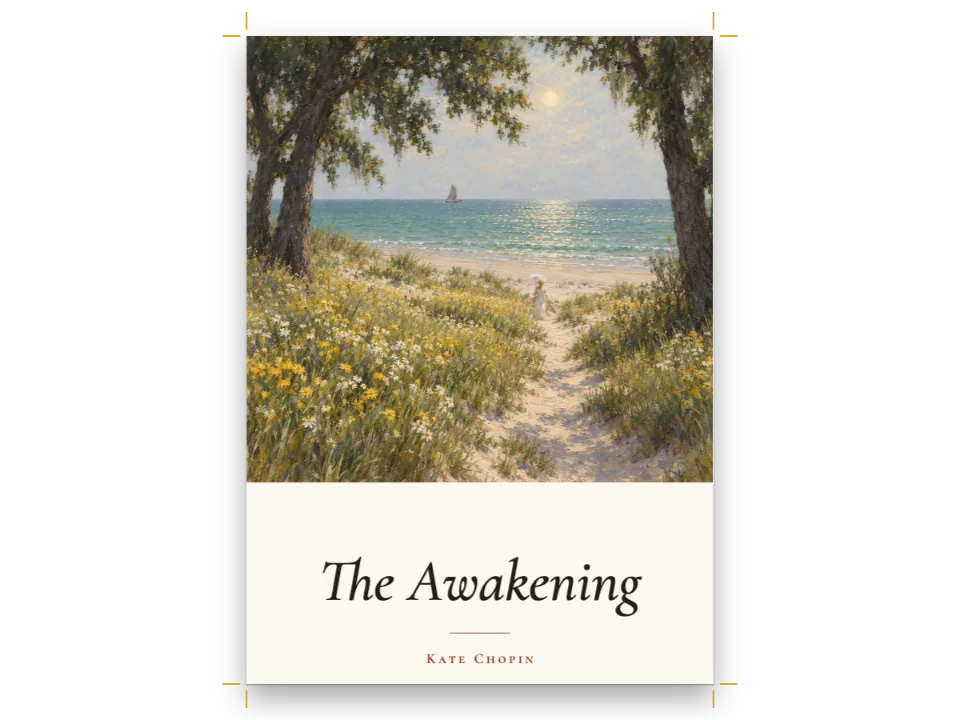
تنضّد الفصل I من The Time Machine من تأليف H. G. Wells طبعةَ جيب بمقاس 110 × 147 mm، ونص Markdown بجانبها. في صفحة العنوان صورة لقرص نحاسي فيه أربعة أقراص صغيرة، مولّدة بنماذج الانتشار (diffusion)، على مساحة بلون أحمر عنابي داكن مرسومة بالشيفرة، فوق العنوان بخط Cinzel. يبدأ نص الفصل على السطر التاسع، تحت رقم روماني وخط نحاسي، ويجري بخط Baskervville بحجم 9.5 على 13 pt تحت ترويسات بحروف كبيرة مصغّرة. كل ضغطة مفتاح تنضّد الفصل كله من جديد في Web Worker، وينتقل Canvas على اليمين إلى الصفحة التي فيها المؤشر. وتحت المحرّر عقرب يديره الخيط الرئيسي في كل إطار، يتوقّف ما دام ذلك الخيط مشغولًا، ويعرض سطر الحالة زمن البناء وأطول إطار وعدد عمليات البناء التي ألغتها ضغطة مفتاح أحدث. وتنقل قائمة في أعلى اليمين البناء إلى الخيط الرئيسي للمقارنة.
تجيب هذه الوصفة عن
- كيف أبقي الصفحة سريعة الاستجابة أثناء إخراج كتاب طويل (Web Worker، الإلغاء)؟
- لماذا تتغير مواضع كسر الأسطر عندي، أو تتداخل الكلمات في ملف PDF، وكيف أحمّل الخطوط تحميلًا صحيحًا؟
- هل يمكنني توليد صفحات أو ملفات PDF على خادم أو من سطر الأوامر (Node)؟
الجواب المختصر
async function startLayoutWorker(faces) {
  // No options: from a CDN the engine starts its worker entry, at the page's own version,
  // through a same-origin blob; in a bundle it starts the worker file next to the module.
  const layout = createLayoutWorker();
  // The worker measures with its own FontFaceSet, not the page's. Without the bytes of every
  // face it measures in a fallback font, and the console names each missing family once.
  const payloads = await Promise.all(faces.map(async ({ family, weight, style, url }) => {
    // Check the status: a 404 page sent as a font only logs a warning inside the worker.
    const response = await fetch(url);
    if (!response.ok) throw new Error(`${family} ${weight} ${style}: HTTP ${response.status}`);
    return { family, weight, style, buffer: await response.arrayBuffer() };
  }));
  await layout.registerFonts(payloads); // the buffers move to the worker, not copied
  let inFlight = null;
  return async function typeset(content) {
    inFlight?.abort(); // cancel the build that the previous keystroke asked for
    const build = (inFlight = new AbortController());
    try {
      return await layout.build(content, config(), { signal: build.signal });
    } catch (error) {
      if (error.name === 'AbortError') return null; // superseded: a newer build is on its way
      throw error;
    }
  };
}
المكونات
- الميزات
- الإخراج في Web Workerالخطوط قبل الإخراجصفحات على اللوحة (Canvas)مقاس القطعهوامش متناظرةخط المتنفصول تبدأ في صفحة فرديةصفحات افتتاح مصمَّمةالعناوين المرقّمةأنماط العناوينفصول بلا أرقامترويسات لكل قسمالترويسات وأرقام الصفحاتالترويسات بحسب دور الصفحةالصور في تصاميم الصفحةالأشكال والجداول بوصفها مواردأنماط الفقراتلون الورقمسافة عمودية صريحة
- تستخدم أيضًا
- سمات العنوان
- الخطوط
- Baskervville, Baskervville SC, Cinzel (SIL OFL 1.1)
- الأصول
dial-1120.jpg- The title page’s brass dial, a photograph (Generated With Diffusion Models, أصلي)
- The title page’s oxblood cloth and gilt frame, drawn in code in the page’s palette (Ignacio Ferro, MIT)
طريقة التحضير
#1 · ابدأ العامل باستدعاء واحد
كود هذه الخطوة هو الجواب المختصر أعلاه. تُستدعى createLayoutWorker() بلا خيارات. وحين تأتي الوحدة من esm.sh يكون ملف العامل على أصل esm.sh، فيرفضه المُنشئ Worker، لذلك يبدأ المحرّك مدخل العامل الخاص به عبر blob له أصل الصفحة، وبالإصدار نفسه الذي استوردته الصفحة. وفي تطبيق محزوم يبدأ الاستدعاء نفسه ملف العامل الواقع بجانب الوحدة. تأخذ build() في المقبض المحتوى والإعدادات نفسها التي تأخذها buildDocument() وتعيد النوع نفسه من المستندات (تشغيل الإخراج في Web Worker).
#2 · حمّل كل خط مرتين
const FONTS = { // every face the pages use: the page loads them, and so must the worker
  Baskervville: ['400', '400i'], // text, folios, subtitle, colophon
  'Baskervville SC': ['500'], // running heads, the author
  Cinzel: ['700'], // title, numeral, chapter title
};
// The worker gets the same Fontsource files the page loads: identical metrics on both threads.
const faces = Object.entries(FONTS).flatMap(([family, specs]) => specs.map((spec) => {
  const [id, weight, style] = [family.toLowerCase().replace(/ /g, '-'), parseInt(spec, 10),
    spec.endsWith('i') ? 'italic' : 'normal'];
  const file = `${id}@5/files/${id}-latin-${weight}-${style}.woff2`;
  return { family, weight: String(weight), style,
    url: `https://cdn.jsdelivr.net/npm/@fontsource/${file}` };
}));
للعامل FontFaceSet خاص به ولا يرى الخطوط التي حمّلتها الصفحة، لذلك يجلب الجواب المختصر ملفات Fontsource نفسها ويمرّر بايتاتها إلى registerFonts()، مع كل وزن نصًّا ('400'). وإن حذفت ذلك الاستدعاء قاس العامل بخط احتياطي: فينضّد هذا الفصل في 175 سطرًا بدل 190، وينتهي السطر الأول بالكلمة “him)” بدل “of”، وتذكر طرفية الصفحة كل عائلة ناقصة مرة واحدة. أما ملف الخط الذي يفشل تنزيله فاكتشافه أصعب. فإن تلقّى العامل صفحة 404 بدل Baskervville القائم (roman)، ظلّت registerFonts() تُنجَز بنجاح وخرج الفصل في 186 سطرًا، مع تحذير في وحدة تحكم العامل فقط. لذلك يفحص الجواب المختصر حالة كل استجابة قبل أن يرسل أي بايت، ويرمي خطأً يذكر الخط وحالة HTTP. وتحمّل الصفحة الخطوط نفسها عبر loadFonts() أيضًا، لأن Canvas يرسم بخطوط الصفحة.
#3 · ابنِ عند كل ضغطة مفتاح، وارسم في الخيط الرئيسي
let [doc, shown, builds, cancelled] = [null, 0, 0, 0];
// For the comparison, the main thread keeps a measurement cache between keystrokes, as the
// worker does: both threads then time a build that measures only what changed.
const mainCache = createMeasurementCache();
function paint(n = shown) { // the canvas is sized to its box, in device pixels
  shown = Math.max(0, Math.min(doc.pages.length - 1, n));
  const vdtPage = doc.pages[shown]; // a laid-out page, not the page config above
  const height = ($('proof').clientHeight || 640) * Math.min(devicePixelRatio || 1, 2);
  renderPageToCanvas(vdtPage, doc, $('proof'), { scale: height / vdtPage.height });
  $('proof').setAttribute('aria-label', `Page ${vdtPage.pageLabel}`);
  $('folio').value = `${shown + 1} / ${doc.pages.length}`;
}
function follow() { // turn to the page that holds the caret: every block keeps its source offset
  const caret = $('source').selectionStart;
  paint(doc.pages.findLastIndex((vdtPage) => vdtPage.columns.some((column) =>
    column.blocks.some((block) => block.sourceStart <= caret))));
}
async function refresh() {
  const [ticket, onMain, started] = [++builds, $('thread').value === 'main', performance.now()];
  frames.worst = 0;
  const content = { markdown: $('source').value, resources };
  const next = onMain ? buildDocument(content, config(), mainCache) : await typeset(content);
  await new Promise(requestAnimationFrame); // the first frame after the build shows any stall
  if (!next || ticket !== builds) { cancelled++; return; } // a newer build has been asked for
  doc = next;
  if (document.activeElement === $('source')) follow(); else paint();
  showPages(doc, { title: 'The Time Machine · chapter I, set in a Web Worker' });
  $('clock').value = `${onMain ? 'Main thread' : 'Worker'} · ${doc.pages.length} pages in `
    + `${Math.round(performance.now() - started)} ms · longest frame ${Math.round(frames.worst)}`
    + ` ms · ${builds} ${builds === 1 ? 'build' : 'builds'}, ${cancelled} cancelled`;
}
$('source').addEventListener('input', refresh);
for (const type of ['click', 'keyup']) $('source').addEventListener(type, () => doc && follow());
$('thread').addEventListener('change', refresh);
$('prev').addEventListener('click', () => paint(shown - 1));
$('next').addEventListener('click', () => paint(shown + 1));
// A dial the main thread turns on every frame: it stops while that thread is busy.
const frames = { last: 0, worst: 0 };
requestAnimationFrame(function turn() { // the clock, not the frame's timestamp: a late frame
  const now = performance.now(); // keeps the time it was due, which hides the stall
  frames.worst = Math.max(frames.worst, now - (frames.last || now));
  frames.last = now;
  const deg = ((now * 0.06) % 360).toFixed(1); // a turn in 6 s
  $('hand').setAttribute('transform', `rotate(${deg})`);
  requestAnimationFrame(turn);
});
await refresh();
تُجهض typeset() البناء الجاري قبل أن تطلب التالي. ويُرفض وعد البناء المُجهَض فورًا بخطأ AbortError، تحوّله typeset() إلى null. وفي العامل، يُسقَط فورًا البناء الذي ما زال ينتظر في الطابور، ويتوقّف البناء الجاري عند نهاية تمريرة التوزيع الحالية، لأن البناء لا يتحقّق من الإلغاء إلا بين التمريرات. ترقّم refresh() عمليات بنائها ولا ترسم إلا أحدثها، فلا يستطيع بناء من العامل يصل متأخرًا أن يرسم فوق بناء من الخيط الرئيسي. يعود المستند إلى الخيط الرئيسي، حيث ترسمه renderPageToCanvas() بالصور المسجّلة هناك. ولا يحتاج العامل إلا إلى حجم كل صورة، المذكور في مدخل المورد (1100 × 840). تحتفظ كل كتلة بموضعها في Markdown (sourceStart)، وتُظهر follow() آخر صفحة فيها كتلة تبدأ عند المؤشر أو قبله.
#4 · صفحة عنوان هي أسلوب عنوان
// # The Time Machine {style="title"}: numbered false, so the Introduction is still chapter I.
const PLATE = TRIM.width * (840 / 1100); // mm: the plate's depth at full width (84 mm)
const DIAL = { x: 20, y: 7, size: 70 }; // mm: the dial's photograph, centred on the plate
const titlePage = {
  id: 'title', numbered: false,
  span: 'page', // the author's name stands below the column's foot, which would cut it
  header: { elements: [] }, footer: { elements: [] }, // no running head, no folio
  advancedDesign: { enabled: true, slot: { elements: [
    { kind: 'image', id: 'plate', resourceId: 'plate',
      placement: { anchor: { to: 'bleed', edge: 'top-left' }, size: { width: 'fill' } } },
    { kind: 'image', id: 'dial', resourceId: 'dial', placement: { anchor: { to: 'bleed',
      edge: 'top-left' }, offset: { x: mm(DIAL.x), y: mm(DIAL.y) },
      size: { width: mm(DIAL.size), height: mm(DIAL.size) } } },
    text('title', '{titleText}', DISPLAY, 28, { fontWeight: 700, lineHeight: 1.04,
      overflow: 'wrap' }, // the title takes two lines
    onPage(PLATE + 11)),
    text('subtitle', '{subtitle}', TEXT, 12, { italic: true, color: col('oxblood') },
      onPage(PLATE + 34.5)),
    brassRule('rule', onPage(PLATE + 43), 12),
    text('author', '{author}', LABEL, 10, { fontWeight: 500, letterSpacing: pt(2) },
      onPage(PLATE + 46.5)),
  ] } },
};
ينضّد السطر # The Time Machine {style="title"} الصفحة 1 بنمط العنوان title، الذي يترك header وfooter الفارغان فيه الصفحةَ بلا ترويسة ولا رقم صفحة. ويُبقي numbered: false العنوان خارج عدّ الفصول، فيبقى Introduction الفصل I. اللوحة مربوطة بالزاوية العليا اليسرى من النزف، واسم المؤلف منضّد تحت أسفل العمود. والتصميم الذي يبقى في عموده يُقصّ عند أسفل العمود، لذلك يضع النمط span: 'page'؛ ومن دونه لا يُرسم اسم المؤلف.
#5 · الترويسات بحسب دور الصفحة
// pages: 'body' keeps the heads off the title page and the opener; parity puts the book's
// title on the verso and the chapter on the recto, folios on the outer edge.
const HEAD_Y = 8.2; // mm from the top edge to the top of the running heads
const SHIFT = (INNER - OUTER) / 2; // mm: the text block's centre is off the page's centre
const head = (id, content, parity, edge, x, style) => ({ kind: 'text', id, content, parity,
  pages: 'body', fontSize: pt(8), color: col('oxblood'), ...style,
  placement: { anchor: { to: 'page', edge }, offset: { x: mm(x), y: mm(HEAD_Y) } } });
const smallCaps = { fontFamily: LABEL, fontWeight: 500, letterSpacing: pt(1.2) };
const folio = { fontFamily: TEXT, color: col('ink') }; // the heads' size: the same baseline
const header = { elements: [
  head('verso-folio', '{pageNumber}', 'even', 'top-left', OUTER, folio),
  head('verso-title', '{title}', 'even', 'top', -SHIFT, smallCaps),
  head('recto-chapter', '{chapterTitle}', 'odd', 'top', SHIFT, smallCaps),
  head('recto-folio', '{pageNumber}', 'odd', 'top-right', -OUTER, folio),
] };
const footer = { elements: [{ ...text('drop-folio', '{pageNumber}', TEXT, 8,
  { color: col('muted') }, inColumn(6.5)), pages: 'opener' }] };
يُبعد pages: 'body' الترويسات عن صفحة العنوان وعن صفحة الافتتاح، ويضع parity عنوان الكتاب على الصفحات الزوجية وعنوان الفصل على الفردية، مع أرقام الصفحات عند الحافة الخارجية. وتأخذ صفحة الافتتاح بدلًا من ذلك رقمًا سفليًا، من عنصر تذييل له pages: 'opener'. أرقام الصفحات والترويسات كلها بحجم 8 pt وتقع على بعد 8.2 mm تحت الحافة العليا، فتقف أرقام الصفحة على خط أساس الترويسات.
#6 · صفحة افتتاح الفصل
const chapter = { level: 1, numberingTemplate: '{1:I}', // {number} prints 'I'
  breakBefore: { enabled: true, parity: 'any' }, // the next page, on either side
  marginTop: pt(0), marginBottom: pt(0),
  advancedDesign: { enabled: true, minHeight: line(8), slot: { elements: [
    text('numeral', '{number}', DISPLAY, 24, { fontWeight: 700, color: col('oxblood') },
      inColumn(5)),
    brassRule('rule', inColumn(18.5), 10),
    text('chapter', '{titleText}', DISPLAY, 12, { fontWeight: 700, letterSpacing: pt(1.8),
      textTransform: 'uppercase', overflow: 'wrap' }, inColumn(22.5)), // a longer title wraps
  ] } } };
const colophon = { id: 'colophon', fontSize: pt(7.5), lineHeight: pt(10.5), color: col('muted'),
  textAlign: 'center', firstLineIndent: pt(0) };
يطبع {number} في التصميم رقم الفصل بالصورة التي يحدّدها numberingTemplate: '{1:I}'، أي I رومانية. ويحجز minHeight ثمانية أسطر على الأقل، فيبدأ النص على السطر التاسع ما دام العنوان يأخذ سطرًا أو سطرين، وأبعد من ذلك حين يحتاج عنوان أطول إلى مساحة أكبر. ويسمح breakBefore مع parity: 'any' للفصل بأن يبدأ في الصفحة 2، مقابل صفحته الثانية؛ أما القيمة الافتراضية فتدفعه إلى الصفحة 3، وهي صفحة فردية.
الوصفة كاملة
// ═══ Postext Cookbook · Nº 056 · Live editor with layout in a Web Worker ═══════════
// https://postext.dev/en/cookbook/web-worker-live-editor
// Code: MIT · Text: H. G. Wells, The Time Machine, 1895 (PD, Gutenberg #35) · Dial: generated
// Fonts: Baskervville, Baskervville SC, Cinzel (SIL OFL 1.1) · Needs postext ≥ 1.25.0
import {
  buildDocument, createMeasurementCache, renderPageToCanvas, registerResourceImage,
} from 'https://esm.sh/postext';
import { createLayoutWorker } from 'https://esm.sh/postext/worker';

const LANG = 'en'; // @lang: the language of the sample document (this recipe is English only)
const RECIPE = 'web-worker-live-editor';

// ─── 1 · Design ─────────────────────────────────────────────────────────────
const palette = { // every colour in the config links to one of these
  ink: '#231f1a', // the text: a warm near-black
  oxblood: '#7a1f1f', // the accent: running heads, the numeral, the subtitle, the plate's cloth
  brass: '#a88a4a', // rules (never text: 2.7:1 on the paper)
  gilt: '#d8bd7c', // the plate's frame, on the oxblood
  muted: '#6b5d4b', // the drop folio and the colophon (5.3:1 on the paper)
  paper: '#f2ead8', // a cream pocket-book paper
};
// Each colour names its palette entry and carries its hex.
const col = (id) => ({ hex: palette[id], model: 'hex', paletteId: id });
const colorPalette = [
  ...Object.entries(palette).map(([id, hex]) => ({ id, name: id, value: { hex, model: 'hex' } })),
  // The engine's defaults link to 'main-color'. The editor takes any Markdown, and without this
  // entry a list typed into it gets the default blue markers.
  { id: 'main-color', name: 'oxblood (defaults)', value: { hex: palette.oxblood, model: 'hex' } },
];
const [TEXT, LABEL, DISPLAY] = ['Baskervville', 'Baskervville SC', 'Cinzel'];

// The page: 110 × 147 mm, a text block of 25 whole lines.
const TRIM = { width: 110, height: 147 }; // mm: a Victorian pocket size, close to A6
const [BODY, LEAD, LINES] = [9.5, 13, 25]; // pt, pt, lines: the text block is LINES leads deep
const [TOP, INNER, OUTER] = [15, 11, 9]; // mm; mirrored, so INNER is the spine side
const MM_PER_PT = 25.4 / 72;
const MEASURE = TRIM.width - INNER - OUTER; // 90 mm: about 60 characters of Baskervville
const line = (n) => pt(n * LEAD); // n grid lines
const page = {
  sizePreset: 'custom', width: mm(TRIM.width), height: mm(TRIM.height), dpi: 150,
  backgroundColor: col('paper'),
  margins: { top: mm(TOP), bottom: mm(TRIM.height - TOP - LINES * LEAD * MM_PER_PT),
    left: mm(INNER), right: mm(OUTER), mirror: true },
};

const onPage = (y) => ({ anchor: { to: 'page', edge: 'top' }, offset: { y: mm(y) } }); // centred
const inColumn = (y) => ({ anchor: { to: 'container', edge: 'top' }, offset: { y: mm(y) } });
const text = (id, content, fontFamily, fontSize, style, placement) => ({ kind: 'text', id,
/* The editor: the Markdown on the left, the page it sets on the right, on a walnut desk. */
#editor {
  --desk: #1c1814; --well: #120f0c; --text: #e4d9c1; --dim: #a39680; --brass: #c9a75e;
  display: grid; grid-template-columns: minmax(0, 1fr) auto; grid-template-rows: auto 1fr auto;
  gap: 0 30px; box-sizing: border-box; width: min(1152px, 100% - 32px); margin: 24px auto 0;
  padding: 0 30px; background: var(--desk); border-radius: 14px;
  box-shadow: 0 0 0 1px #2c261f, 0 30px 60px -30px rgb(0 0 0 / .9);
  font: 500 12px/1.4 system-ui, sans-serif; color: var(--dim);
}
#editor > header, #editor > footer {
  grid-column: 1 / -1; display: flex; align-items: center; gap: 12px; min-height: 58px;
  letter-spacing: .12em; text-transform: uppercase;
}
#editor > header { justify-content: space-between; }
#editor select {
  margin-left: 8px; padding: 5px 8px; border: 1px solid #3a3229; border-radius: 6px;
  background: var(--well); color: var(--text); font: inherit; letter-spacing: .06em;
}
#source {
  box-sizing: border-box; width: 100%; height: 100%; min-height: 360px; resize: none;
  padding: 20px 22px; border: 0; border-radius: 8px; outline: 1px solid #2c261f;
  background: var(--well); color: var(--text); caret-color: var(--brass);
  font: 13.5px/1.7 ui-monospace, 'SF Mono', Menlo, Consolas, monospace;
  scrollbar-width: thin; scrollbar-color: #3a3229 transparent;
}
#source:focus { outline-color: var(--brass); }
#source::selection { background: rgb(201 167 94 / .35); }
#editor figure { margin: 0; display: flex; flex-direction: column; align-items: center; }
/* The page at 110 × 147 mm, as tall as the desk allows. */
#proof {
  display: block; height: min(700px, 100vh - 170px); aspect-ratio: 110 / 147; background: #f2ead8;
  box-shadow: 0 1px 2px rgb(0 0 0 / .6), 0 24px 44px -18px rgb(0 0 0 / .9);
}
#editor figcaption { display: flex; align-items: center; gap: 14px; margin-top: 12px; }
#editor figcaption button {
  width: 30px; height: 30px; border: 1px solid #3a3229; border-radius: 50%; padding: 0;
  background: none; color: var(--text); font: 16px/1 system-ui, sans-serif; cursor: pointer;
}
#editor figcaption button:hover { border-color: var(--brass); color: var(--brass); }
#folio { min-width: 56px; text-align: center; font-variant-numeric: tabular-nums; }
#editor > footer { color: var(--text); font-variant-numeric: tabular-nums; }
/* The heartbeat: a hand the main thread turns every frame. */
#beat { width: 24px; height: 24px; flex: none; }
#beat circle { fill: none; stroke: var(--brass); stroke-width: 1.5; }
#beat path { stroke: var(--brass); stroke-width: 2; stroke-linecap: round; }
@media (max-width: 760px) {
  #editor { grid-template-columns: 1fr; padding: 0 16px; gap: 0; }
  #editor > header { flex-direction: column; align-items: flex-start; padding: 14px 0; }
يعمل ملف script.js المجمّع كما هو: الصقه في سكربت الوحدة (module) لأي صفحة، أو افتح الوصفة على CodePen. مجلد الوصفة على GitHub ↗ (يفتح في تبويب جديد)
أخطاء شائعة
خطأ شائع
عامل الإخراج يقيس بخطوطه الخاصة
للعامل (worker) مجموعة FontFaceSet خاصة به، فالأوجه التي حمّلتها الصفحة غير مرئية له. أرسل إليه بايتات كل وجه بـ registerFonts() قبل البناء الأول؛ ويجوز أن يكون الوزن نصًا ('400') أو، منذ postext 1.5، عددًا. ومن دونها يقيس العامل بخط بديل وتتغير فواصل الأسطر وعدد الصفحات؛ ومنذ 1.5 تقول وحدة التحكم ذلك، مرة لكل عائلة مفقودة. الإخراج في Web Worker →
الحقوق
- الوصفة
- Ignacio Ferro
- النص
- The Time Machine, chapter I · H. G. Wells · ملك عام
- الصور
- The title page’s brass dial, a photograph · Generated With Diffusion Models · أصلي
- The title page’s oxblood cloth and gilt frame, drawn in code in the page’s palette · Ignacio Ferro · MIT
- الخطوط
- Baskervville (SIL OFL 1.1) · Baskervville SC (SIL OFL 1.1) · Cinzel (SIL OFL 1.1)
- الشيفرة
- MIT، مثل Postext
حرّر هذا الشرح ↗ (يفتح في تبويب جديد)مجلد الوصفة على GitHub ↗ (يفتح في تبويب جديد)