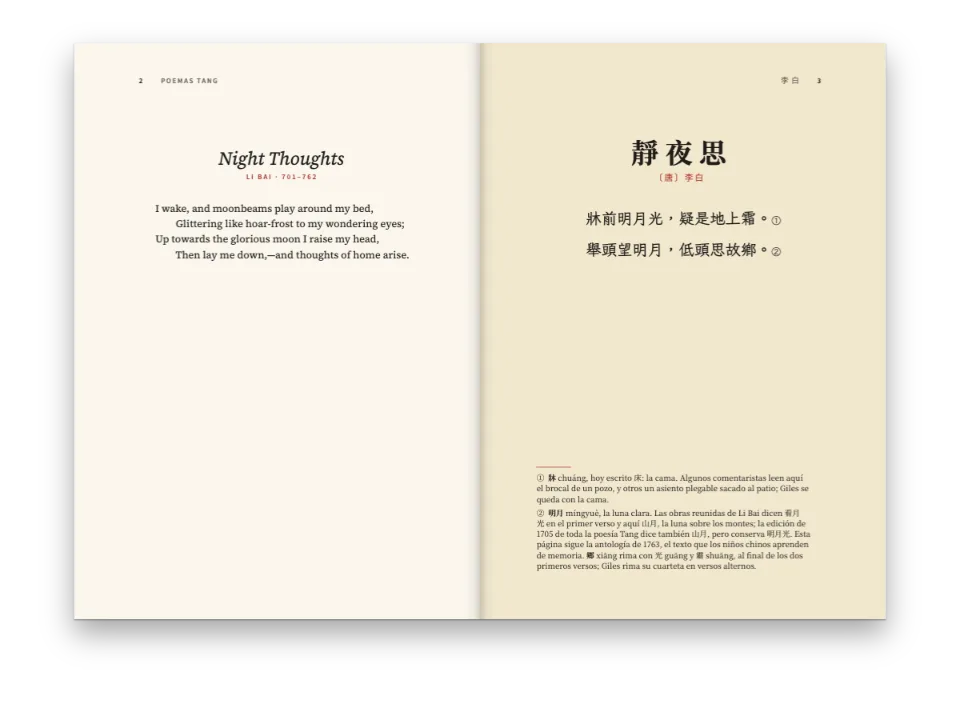
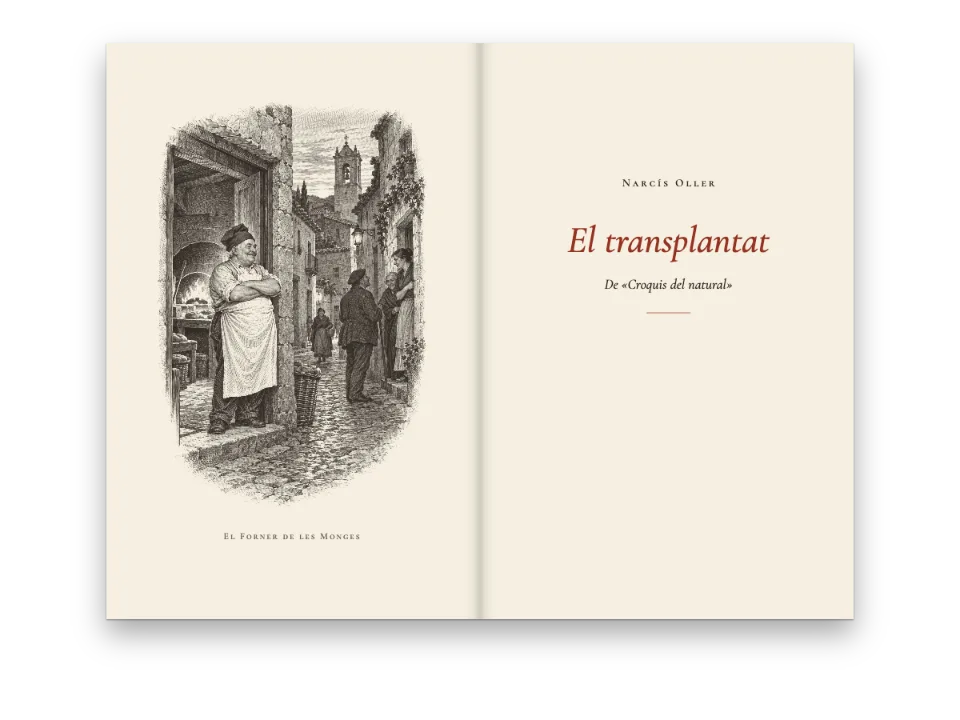
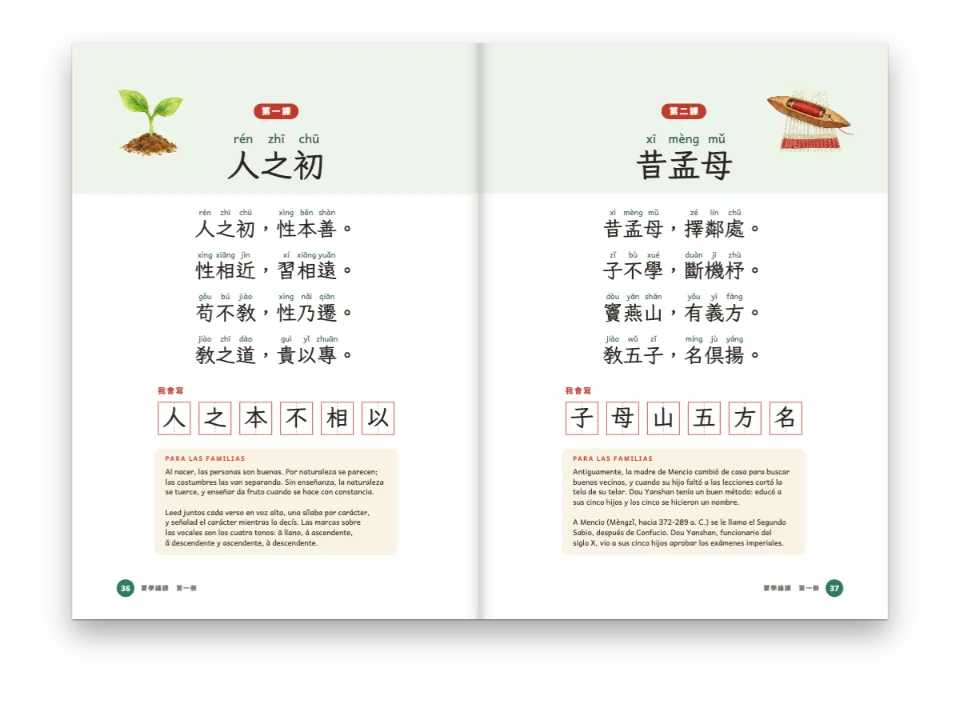
En pocas palabras
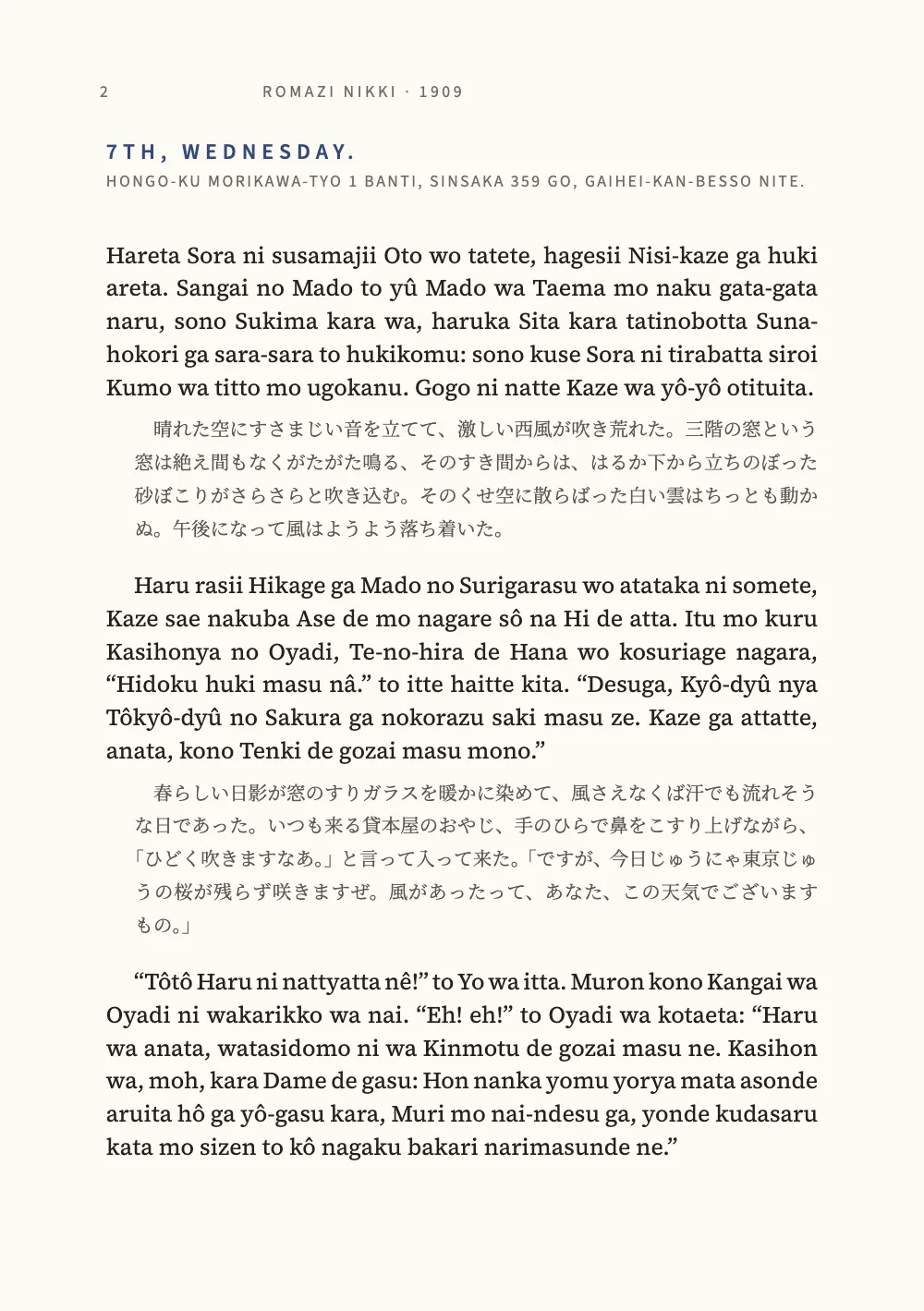
La primera entrada de un diario de 1909 que el poeta Takuboku escribió en japonés con letras latinas, con su lectura en escritura japonesa bajo cada párrafo.
Lo que vas a componer
Cuatro páginas del Rōmaji nikki, el diario que Ishikawa Takuboku llevó en Tokio en la primavera de 1909 en letras latinas para que su mujer no pudiera leerlo: las líneas que encabezan su cuaderno y la primera entrada, la del 7 de abril, hasta Kanasii koto da! El diario se compone como una edición de estudio en una página A5: el rōmaji en Source Serif 4, justificado y sin separar nunca una palabra, y bajo cada párrafo su lectura en kana y kanji en Noto Serif JP, más pequeña, más clara y sangrada. Takuboku escribe en el sistema Nippon-shiki, si, tu, hu, con circunflejo en las vocales largas, Tôkyô; las líneas del editor usan Hepburn con macrones, Rōmaji, y las dos llegan al PDF.
Esta receta responde a
- ¿Cómo compongo japonés en rōmaji: qué etiqueta de idioma, qué separación silábica, macrones en el PDF?
- ¿Qué fuentes componen el japonés, con los kanji en sus formas japonesas, en pantalla y en el PDF?
La respuesta corta
// ja-Latn is Japanese written in Latin script (BCP 47). Its language is ja, so the kana
// under each paragraph get the Japanese rules (kinsoku, 、。 spacing, the space after !)
// and the built-in strings are Japanese; and Japanese has no hyphenation patterns, so the
// rōmaji is never divided at a line end. English patterns would divide tatinobotta or
// Surigarasu by English syllables, not by the morae a Japanese reader hears.
const language = { locale: 'ja-Latn' }; // spread into the config
const bodyText = {
  fontFamily: SERIF, fontSize: pt(BODY), lineHeight: pt(LEAD), color: col('ink'),
  boldColor: col('ink'), italicColor: col('ink'), referenceColor: col('ink'),
  textAlign: 'justify', firstLineIndent: em(1.2), indentAfterHeading: false,
  optimalLineBreaking: true, maxWordSpacing: 1.8, // no hyphens: the spaces take the slack
};
// The reading in kana, under its paragraph: smaller, a shade lighter, indented.
const kana = { id: 'kana', fontFamily: MINCHO, fontSize: pt(8.6), lineHeight: pt(LEAD),
  color: col('kana'), textAlign: 'justify', indent: em(1.5), firstLineIndent: em(1),
  marginTop: pt(LEAD / 4), marginBottom: pt(LEAD * 0.75) };
Ingredientes
- Funciones
- Kana, kanji y rōmajiSeparación silábica e idioma del documentoFuentes chinas, japonesas y coreanasEspaciado de la puntuación japonesa (yakumono)Corte de líneas japonés (kinsoku)Tipografía del textoAperturas diseñadasEstilos de títuloAtributos de títuloEstilos de párrafoCabeceras y foliosCabeceras según el tipo de páginaMárgenes simétricosColor del papelPaleta de color semánticaExportación a PDFFuentes incrustadas en el PDF
- También usa
- Corte de líneas en chinoCapítulos sin número
- Tipografía
- Source Serif 4, Source Sans 3, Noto Serif JP (SIL OFL 1.1)
- Recursos
- Ninguno: todas las imágenes se dibujan en código
Elaboración
#1 · Etiqueta el texto como ja-Latn
El código está en la respuesta corta. ja-Latn es la etiqueta BCP 47 del japonés escrito en alfabeto latino. Su idioma es ja, así que la lectura bajo cada párrafo sigue las reglas japonesas: kinsoku, el espaciado de 、。 y el cuadratín que el motor añade tras ! dentro de una frase, como en 「ええ! ええ!」. El japonés no tiene patrones de separación silábica, así que el rōmaji nunca se parte; con en, los patrones ingleses dividirían palabras como tatinobotta o Surigarasu por sílabas inglesas, no por las moras que oye un lector japonés. Sin guiones, los espacios absorben la holgura, por eso la medida ronda los 70 caracteres y maxWordSpacing vale 1,8 (separación silábica).
#2 · Lleva los macrones al PDF
// Fontsource keeps ō ū ā in a latin-ext file. cjkPdfProvider serves Noto Serif JP from its
// slices, and adds that file after the latin one for a Latin face whose text needs it.
offerPdf(() => renderToPdf(doc, { fontProvider: cjkPdfProvider }), `${RECIPE}.pdf`);
Fontsource guarda ō ū ā en un archivo latin-ext aparte. La pantalla lo carga (loadFonts ve la ō de la muestra), y el cjkPdfProvider del kit hace lo mismo con el PDF. Sirve Noto Serif JP desde sus fragmentos japoneses y, cuando una fuente latina compone una letra que solo está en latin-ext, responde con dos archivos, latin y después latin-ext; postext-pdf toma cada glifo del primer archivo que lo tiene. El fontsourceProvider simple del kit solo entrega al PDF el archivo latin: con él, el PDF no tendría glifo para la ō.
#3 · Abre con las líneas del propio diario
const onField = { color: col('paper'), align: 'center', overflow: 'wrap' };
const title = {
  id: 'title', numbered: false, toc: false, span: 'page', runningChapter: false,
  breakBefore: { enabled: true, parity: 'any' }, // its page is an opener: no running heads
  advancedDesign: { enabled: true, minHeight: mm(166), slot: { elements: [
    { kind: 'box', id: 'field', style: { backgroundColor: col('indigo') },
      placement: { anchor: { to: 'bleed', edge: 'top-left' }, size: { width: 'fill',
        height: 'fill' } } },
    { kind: 'text', id: 'lines', content: '{attr.lines}', ...onField, fontFamily: SERIF,
      fontWeight: 600, fontSize: pt(20), lineHeight: 1.9, letterSpacing: pt(5),
      placement: { anchor: { to: 'container', edge: 'top' }, offset: { y: mm(18) } } },
    { kind: 'rule', id: 'rule', thickness: pt(0.5), color: col('paper'),
      placement: { anchor: { to: 'container', edge: 'top' }, offset: { y: mm(122) },
        size: { width: mm(24) } } },
    { kind: 'text', id: 'note', content: '{attr.note}', inlineMarks: true, ...onField,
      fontFamily: SANS, fontSize: pt(8.5), lineHeight: 1.5, placement: { anchor: { to:
        'container', edge: 'top' }, offset: { y: mm(130) }, size: { width: mm(84) } } },
  ] } },
};
// The entry: its day as a heading, the address under it from an attribute.
const entry = {
  level: 2, fontFamily: SANS, fontWeight: 600, fontSize: pt(10), letterSpacing: pt(2.5),
  color: col('indigo'), marginTop: pt(LEAD), marginBottom: pt(LEAD), advancedDesign: {
    enabled: true, minHeight: pt(2 * LEAD), slot: { elements: [
      { kind: 'text', id: 'day', content: '{titleText}', fontFamily: SANS, fontWeight: 600,
        fontSize: pt(10), letterSpacing: pt(2.5), color: col('indigo'),
        placement: { anchor: { to: 'container', edge: 'top-left' } } },
      { kind: 'text', id: 'place', content: '{attr.place}', fontFamily: SANS, fontSize: pt(7.5),
        letterSpacing: pt(1), color: col('muted'), overflow: 'wrap', align: 'left',
        placement: { anchor: { to: 'container', edge: 'top-left' }, offset: { y: pt(LEAD) },
          size: { width: 'fill' } } },
    ] } },
};
El cuaderno empieza NIKKI. I. MEIDI 42 NEN. 1909. APRIL. TOKYO., una cosa por línea. El título las toma de un atributo, cada \n una línea nueva, y las compone en versales espaciadas sobre un campo índigo, la tela de la tapa de un cuaderno. Su página es una apertura, así que las cabeceras no aparecen en ella.
#4 · Cabeceras según la paridad
const head = (id, content, parity, edge) => ({ kind: 'text', id, content, parity,
  pages: 'body', fontFamily: SANS, fontSize: pt(7.5), letterSpacing: pt(1.5), color: col('muted'),
  placement: { anchor: { to: 'page', edge }, offset: { x: mm(edge.endsWith('left') ? 16 : -16),
    y: mm(13) } } });
const header = { elements: [
  head('folio-even', '{pageNumber}', 'even', 'top-left'),
  head('book', 'ROMAZI NIKKI · 1909', 'even', 'top'),
  head('place', 'TOKYO · APRIL', 'odd', 'top'),
  head('folio-odd', '{pageNumber}', 'odd', 'top-right'),
] };
La página par lleva el nombre del diario y la impar el lugar y el mes, con los folios en las esquinas exteriores, en Source Sans 3 de 7,5 pt.
La receta completa
// ═══ Postext Cookbook · Nº 130 · Japanese in Latin letters: Takuboku's Rōmaji Diary ════ // https://postext.dev/en/cookbook/romaji-nikki // Code: MIT · Text: Ishikawa Takuboku, 1909 (public domain); transcription (CC BY 4.0) // Fonts: Source Serif 4, Source Sans 3, Noto Serif JP (SIL OFL 1.1) · Needs postext ≥ 1.16.1 // A diary written in Japanese with Latin letters, and its reading in kana under each paragraph. import { buildDocument, renderPageToCanvas, clearMeasurementCache } from 'https://esm.sh/postext'; import { renderToPdf, decompressWoff2 } from 'https://esm.sh/postext-pdf'; const LANG = 'es'; // @lang: the language of the note; the diary is Japanese in both editions const RECIPE = 'romaji-nikki'; // ─── 1 · Design ───────────────────────────────────────────────────────────── // #region palette: diary ink, a faded indigo, the cream of a notebook const palette = { ink: '#22201d', // the rōmaji indigo: '#34497a', // the date and the title (8.4:1 on the paper) kana: '#5a554e', // the transcription, a step lighter than the text (7:1) rule: '#c9c1b2', muted: '#6f6a62', // running heads, folios, the note paper: '#fcfaf4', }; const col = (id) => ({ hex: palette[id], model: 'hex', paletteId: id }); const colorPalette = [ ...Object.entries(palette).map(([id, hex]) => ({ id, name: id, value: { hex, model: 'hex' } })), { id: 'main-color', name: 'indigo (defaults)', value: { hex: palette.indigo, model: 'hex' } }, ]; // #endregion const SERIF = 'Source Serif 4'; // the rōmaji: ô û â ê in latin, ō ū in latin-ext const SANS = 'Source Sans 3'; // labels, running heads, folios, the note const MINCHO = 'Noto Serif JP'; // the kana: Noto Serif JP's Latin is Source Serif's const [BODY, LEAD] = [10.5, 15]; // pt // #region answer: a Japanese text in Latin letters is tagged ja-Latn // ja-Latn is Japanese written in Latin script (BCP 47). Its language is ja, so the kana // under each paragraph get the Japanese rules (kinsoku, 、。 spacing, the space after !) // and the built-in strings are Japanese; and Japanese has no hyphenation patterns, so the // rōmaji is never divided at a line end. English patterns would divide tatinobotta or // Surigarasu by English syllables, not by the morae a Japanese reader hears. const language = { locale: 'ja-Latn' }; // spread into the config const bodyText = { fontFamily: SERIF, fontSize: pt(BODY), lineHeight: pt(LEAD), color: col('ink'), boldColor: col('ink'), italicColor: col('ink'), referenceColor: col('ink'), textAlign: 'justify', firstLineIndent: em(1.2), indentAfterHeading: false, optimalLineBreaking: true, maxWordSpacing: 1.8, // no hyphens: the spaces take the slack }; // The reading in kana, under its paragraph: smaller, a shade lighter, indented. const kana = { id: 'kana', fontFamily: MINCHO, fontSize: pt(8.6), lineHeight: pt(LEAD), color: col('kana'), textAlign: 'justify', indent: em(1.5), firstLineIndent: em(1), marginTop: pt(LEAD / 4), marginBottom: pt(LEAD * 0.75) }; // #endregion // #region title: the diary's own heading lines on an indigo field, like a cloth notebook const onField = { color: col('paper'), align: 'center', overflow: 'wrap' }; const title = { id: 'title', numbered: false, toc: false, span: 'page', runningChapter: false, breakBefore: { enabled: true, parity: 'any' }, // its page is an opener: no running heads advancedDesign: { enabled: true, minHeight: mm(166), slot: { elements: [ { kind: 'box', id: 'field', style: { backgroundColor: col('indigo') }, placement: { anchor: { to: 'bleed', edge: 'top-left' }, size: { width: 'fill', height: 'fill' } } }, { kind: 'text', id: 'lines', content: '{attr.lines}', ...onField, fontFamily: SERIF, fontWeight: 600, fontSize: pt(20), lineHeight: 1.9, letterSpacing: pt(5), placement: { anchor: { to: 'container', edge: 'top' }, offset: { y: mm(18) } } }, { kind: 'rule', id: 'rule', thickness: pt(0.5), color: col('paper'), placement: { anchor: { to: 'container', edge: 'top' }, offset: { y: mm(122) }, size: { width: mm(24) } } }, { kind: 'text', id: 'note', content: '{attr.note}', inlineMarks: true, ...onField, fontFamily: SANS, fontSize: pt(8.5), lineHeight: 1.5, placement: { anchor: { to: 'container', edge: 'top' }, offset: { y: mm(130) }, size: { width: mm(84) } } }, ] } }, }; // The entry: its day as a heading, the address under it from an attribute. const entry = { level: 2, fontFamily: SANS, fontWeight: 600, fontSize: pt(10), letterSpacing: pt(2.5), color: col('indigo'), marginTop: pt(LEAD), marginBottom: pt(LEAD), advancedDesign: { enabled: true, minHeight: pt(2 * LEAD), slot: { elements: [ { kind: 'text', id: 'day', content: '{titleText}', fontFamily: SANS, fontWeight: 600, fontSize: pt(10), letterSpacing: pt(2.5), color: col('indigo'), placement: { anchor: { to: 'container', edge: 'top-left' } } }, { kind: 'text', id: 'place', content: '{attr.place}', fontFamily: SANS, fontSize: pt(7.5), letterSpacing: pt(1), color: col('muted'), overflow: 'wrap', align: 'left', placement: { anchor: { to: 'container', edge: 'top-left' }, offset: { y: pt(LEAD) }, size: { width: 'fill' } } }, ] } }, }; // #endregion // #region heads: the diary's name on the verso, the place on the recto, folios outside const head = (id, content, parity, edge) => ({ kind: 'text', id, content, parity, pages: 'body', fontFamily: SANS, fontSize: pt(7.5), letterSpacing: pt(1.5), color: col('muted'), placement: { anchor: { to: 'page', edge }, offset: { x: mm(edge.endsWith('left') ? 16 : -16), y: mm(13) } } }); const header = { elements: [ head('folio-even', '{pageNumber}', 'even', 'top-left'), head('book', 'ROMAZI NIKKI · 1909', 'even', 'top'), head('place', 'TOKYO · APRIL', 'odd', 'top'), head('folio-odd', '{pageNumber}', 'odd', 'top-right'), ] }; // #endregion const config = () => ({ // a factory: the engine caches resolved configs per object ...language, // ja-Latn, written out (gotcha: ja-locale-tag) colorPalette, page: { sizePreset: 'custom', width: mm(148), height: mm(210), dpi: 150, // A5 backgroundColor: col('paper'), // A measure of about 70 characters: with no hyphens, a narrower one sets loose lines. margins: { top: mm(22), bottom: mm(22), left: mm(17), right: mm(17), mirror: true }, }, layout: { layoutType: 'single' }, bodyText, headings: { fontFamily: SANS, fontWeight: 600, color: col('indigo'), levels: [{ level: 1, breakBefore: { enabled: true, parity: 'any' } }, entry] }, headingStyles: [title], paragraphStyles: [kana, { id: 'note', fontFamily: SANS, fontSize: pt(7.8), lineHeight: pt(11.5), color: col('muted'), boldColor: col('ink'), boldFontWeight: 600, textAlign: 'left', firstLineIndent: em(0), marginTop: pt(2 * LEAD) }], header, footer: { elements: [] }, }); // ─── 2 · Content ──────────────────────────────────────────────────────────── const markdown = String.raw`---Muestra en Markdown · 61 líneas · content.es.md
title: "ROMAZI NIKKI" author: "Isikawa Takuboku" --- # ROMAZI NIKKI {style="title" lines="NIKKI.\nI.\nMEIDI 42 NEN.\n1909.\nAPRIL.\nTOKYO." note="Ishikawa Takuboku, *Rōmaji nikki* (el Diario en rōmaji), la primera entrada, 7 de abril de 1909, con una transcripción en kana y kanji bajo cada párrafo"} ## 7TH, WEDNESDAY. {place="HONGO-KU MORIKAWA-TYO 1 BANTI, SINSAKA 359 GO, GAIHEI-KAN-BESSO NITE."} Hareta Sora ni susamajii Oto wo tatete, hagesii Nisi-kaze ga huki areta. Sangai no Mado to yû Mado wa Taema mo naku gata-gata naru, sono Sukima kara wa, haruka Sita kara tatinobotta Suna-hokori ga sara-sara to hukikomu: sono kuse Sora ni tirabatta siroi Kumo wa titto mo ugokanu. Gogo ni natte Kaze wa yô-yô otituita. :::paragraphs{style="kana"} 晴れた空にすさまじい音を立てて、激しい西風が吹き荒れた。三階の窓という窓は絶え間もなくがたがた鳴る、そのすき間からは、はるか下から立ちのぼった砂ぼこりがさらさらと吹き込む。そのくせ空に散らばった白い雲はちっとも動かぬ。午後になって風はようよう落ち着いた。 ::: Haru rasii Hikage ga Mado no Surigarasu wo atataka ni somete, Kaze sae nakuba Ase de mo nagare sô na Hi de atta. Itu mo kuru Kasihonya no Oyadi, Te-no-hira de Hana wo kosuriage nagara, “Hidoku huki masu nâ.” to itte haitte kita. “Desuga, Kyô-dyû nya Tôkyô-dyû no Sakura ga nokorazu saki masu ze. Kaze ga attatte, anata, kono Tenki de gozai masu mono.” :::paragraphs{style="kana"} 春らしい日影が窓のすりガラスを暖かに染めて、風さえなくば汗でも流れそうな日であった。いつも来る貸本屋のおやじ、手のひらで鼻をこすり上げながら、「ひどく吹きますなあ。」と言って入って来た。「ですが、今日じゅうにゃ東京じゅうの桜が残らず咲きますぜ。風があったって、あなた、この天気でございますもの。」 ::: “Tôtô Haru ni nattyatta nê!” to Yo wa itta. Muron kono Kangai wa Oyadi ni wakarikko wa nai. “Eh! eh!” to Oyadi wa kotaeta: “Haru wa anata, watasidomo ni wa Kinmotu de gozai masu ne. Kasihon wa, moh, kara Dame de gasu: Hon nanka yomu yorya mata asonde aruita hô ga yô-gasu kara, Muri mo nai-ndesu ga, yonde kudasaru kata mo sizen to kô nagaku bakari narimasunde ne.” :::paragraphs{style="kana"} 「とうとう春になっちゃったねえ!」と予は言った。むろんこの感慨はおやじにわかりっこはない。「ええ!ええ!」とおやじは答えた。「春はあなた、わたしどもには禁物でございますね。貸本は、もう、からだめでがす。本なんか読むよりゃまた遊んで歩いたほうがようがすから、無理もないんですが、読んでくださる方も自然とこう長くばかりなりますんでね。」 ::: Kinô Sya kara Zensyaku sita Kane no nokori, 5 yen Sihei ga iti-mai Saihu no naka ni aru; Gozen-tyû wa sore bakkari Ki ni natte, Siyô ga nakatta. Kono Kimoti wa, heizei Kane no aru Hito ga kyû ni motanaku natta toki to onaji yô na Kigakari ka mo sirenu: dotira mo okasii koto da, onaji yô ni okasii ni wa tigai nai ga, sono Kô-hukô ni wa taisita Tigai ga aru. :::paragraphs{style="kana"} 昨日社から前借りした金の残り、五円紙幣が一枚財布の中にある。午前中はそればっかり気になって、しようがなかった。この気持ちは、平生金のある人が急に持たなくなったときと同じような気がかりかもしれぬ。どちらもおかしいことだ、同じようにおかしいには違いないが、その幸不幸には大した違いがある。 ::: Siyô koto nasi ni, Rôma-ji no Hyô nado wo tukutte mita. Hyô no naka kara, toki-doki, Tugaru-no-Umi no kanata ni iru Haha ya Sai no koto ga ukande Yo no Kokoro wo kasumeta. “Haru ga kita, Si-gatu ni natta. Haru ! Haru ! Hana mo saku ! Tokyô e kite mô iti-nen da! ...........Ga, Yo wa mada Yo no Kazoku wo yobiyosete yasinau Junbi ga dekinu !” Tika-goro, Hi ni nankwai to naku, Yo no Kokoro no naka wo atira e yuki, kotira e yuki siteru, Mondai wa kore da ........... :::paragraphs{style="kana"} しようことなしに、ローマ字の表などを作ってみた。表の中から、ときどき、津軽の海の彼方にいる母や妻のことが浮かんで予の心をかすめた。「春が来た、四月になった。春!春!花も咲く!東京へ来てもう一年だ!……が、予はまだ予の家族を呼び寄せて養う準備ができぬ!」近ごろ、日に何回となく、予の心の中をあちらへ行き、こちらへ行きしてる問題はこれだ…… ::: Sonnara naze kono Nikki wo Rômaji de kaku koto ni sitaka ? Naze da ? Yo wa Sai wo aisiteru ; aisiteru kara koso kono Nikki wo yomase taku nai no da. ------ Sikasi kore wa Uso da ! Aisiteru no mo Jijitu, yomase taku nai no mo Jijitu da ga, kono Hutatu wa kanarazu simo Kwankei site inai. :::paragraphs{style="kana"} そんならなぜこの日記をローマ字で書くことにしたか?なぜだ?予は妻を愛してる。愛してるからこそこの日記を読ませたくないのだ。――しかしこれはうそだ!愛してるのも事実、読ませたくないのも事実だが、この二つは必ずしも関係していない。 ::: Sonnara Yo wa Jakusya ka ? Ina, Tumari kore wa Hûhu-kwankei to yû matigatta Seido ga aru tame ni okoru no da. Hûhu ! nan to yû Baka na Seido darô ! Sonnara dô sureba yoi ka ? :::paragraphs{style="kana"} そんなら予は弱者か?否、つまりこれは夫婦関係という間違った制度があるために起こるのだ。夫婦!なんというばかな制度だろう!そんならどうすればよいか? ::: Kanasii koto da ! :::paragraphs{style="kana"} 悲しいことだ! ::: :::paragraphs{style="note"} **Nota sobre el texto.** Takuboku llevó este diario en Tokio entre el 7 de abril y el 16 de junio de 1909, en letras latinas, para que su mujer, Setsuko, no pudiera leerlo. Lo escribe en el sistema Nippon-shiki de 1885, no en Hepburn: *si, ti, tu, hu* por shi, chi, tsu, fu, *dy* para los kana sonoros de la serie *t* (*Kyô-dyû*), un circunflejo en las vocales largas (*Tôkyô*) y, costumbre suya, mayúscula en casi todos los sustantivos. El texto sigue la edición de Iwanami Bunko de 1977; la transcripción bajo cada párrafo se hizo para esta receta, en kana moderno. Compuesto en Source Serif 4, Source Sans 3 y Noto Serif JP (SIL OFL) · Diario: dominio público · Transcripción y nota: CC BY 4.0 :::`; // content.<lang>.md: the same diary in both // ─── 3 · Fonts ────────────────────────────────────────────────────────────── const FONTS = { 'Source Serif 4': ['400', '400i', '600'], 'Source Sans 3': ['400', '400i', '600'], 'Noto Serif JP': ['400'] }; const kanaText = (markdown.match(/:::paragraphs\{style="kana"\}[\s\S]*?:::/g) ?? []).join(''); // ─── 4 · Build & show ─────────────────────────────────────────────────────── await loadFonts(FONTS, markdown); // and the latin-ext files, for the ō of the note await loadCjkFonts({ [MINCHO]: FONTS[MINCHO] }, kanaText); const doc = await buildWithFonts(() => buildDocument({ markdown }, config()), markdown); showPages(doc, { title: t({ en: 'The Rōmaji Diary', es: 'El diario en rōmaji' }) }); // #region macrons: the PDF gets each Latin face's latin-ext file too // Fontsource keeps ō ū ā in a latin-ext file. cjkPdfProvider serves Noto Serif JP from its // slices, and adds that file after the latin one for a Latin face whose text needs it. offerPdf(() => renderToPdf(doc, { fontProvider: cjkPdfProvider }), `${RECIPE}.pdf`); // #endregionKit · core, fonts, viewer, pdf, cjk: igual en todas las recetas · 453 líneas
// ─── Kit ── helpers shared by every Cookbook recipe · postext.dev/cookbook ───── // ─── Kit · core v1 ── the same in every recipe · postext.dev/cookbook ───────── function mm(value) { return { value, unit: 'mm' }; } function pt(value) { return { value, unit: 'pt' }; } function em(value) { return { value, unit: 'em' }; } /** The sample language's string: t({ en: 'Figure', es: 'Figura' }). */ function t(strings) { return strings[LANG] ?? Object.values(strings)[0]; } /** A file in this recipe's assets folder, served from the Postext repo by jsDelivr. */ function asset(file) { return `https://cdn.jsdelivr.net/gh/drnachio/postext@main/cookbook/${RECIPE}/assets/${file}`; } // ─── Kit · fonts v1 ── the same in every recipe · postext.dev/cookbook ──────── // Postext measures text with the faces the browser has loaded, and caches the // widths, so every face must be ready before the first build. Faces come from // Fontsource: the same static files the PDF embeds, so screen and PDF agree. /** faces = { 'Family Name': ['400', '400i', '700'] }. `text` is the sample: * letters beyond Latin-1 (č, ł, ő…) also load the latin-ext files. With * `optional`, a face Fontsource does not ship is skipped instead of failing. * Resolves to the number of faces added. */ async function loadFonts(faces, text = '', { optional = false } = {}) { kitStatus('Loading fonts…'); const ranges = { latin: 'U+0000-00FF,U+0131,U+0152-0153,U+02BB-02BC,U+02C6,U+02DA,U+02DC,U+0304,U+0308,U+0329,' + 'U+2000-206F,U+20AC,U+2122,U+2191,U+2193,U+2212,U+2215,U+FEFF,U+FFFD', 'latin-ext': 'U+0100-02BA,U+02BD-02C5,U+02C7-02CC,U+02CE-02D7,U+02DD-02FF,U+0304,U+0308,U+0329,' + 'U+1D00-1DBF,U+1E00-1E9F,U+1EF2-1EFF,U+2020,U+20A0-20AB,U+20AD-20C0,U+2113,U+2C60-2C7F,U+A720-A7FF', }; const subsets = /[Ā-˿Ḁ-ỿ]/.test(text) ? ['latin', 'latin-ext'] : ['latin']; const jobs = []; let added = 0; for (const [family, specs] of Object.entries(faces)) { const id = fontsourceId(family); const meta = optional ? await fontsourceMeta(family) : null; for (const spec of new Set(specs)) { const weight = parseInt(spec, 10); const style = spec.endsWith('i') ? 'italic' : 'normal'; if (hasFace(family, weight, style)) continue; if (optional && !(meta?.weights.includes(weight) && meta.styles.includes(style))) continue; for (const subset of subsets) { const url = `https://cdn.jsdelivr.net/npm/@fontsource/${id}@5/files/${id}-${subset}-${weight}-${style}.woff2`; const face = new FontFace(family, `url(${url}) format('woff2')`, { weight: String(weight), style, unicodeRange: ranges[subset] }); jobs.push(face.load().then((ready) => { document.fonts.add(ready); added++; }, () => { if (subset === 'latin' && !optional) throw new Error(`Fontsource has no ${family} ${weight} ${style}`); })); } } } await Promise.all(jobs).catch((error) => { kitFail(error); throw error; }); return added; } /** Runs `build` (a buildDocument or buildBundle call) and checks the faces * the pages use. A regular face missing from FONTS is loaded with a warning; * bold and italic variants are loaded when the family ships them. Then the * measurement caches are cleared and the build runs again. */ async function buildWithFonts(build, text = '') { const tried = new Set(); for (let round = 0; round < 3; round++) { kitStatus('Laying out…'); await new Promise(requestAnimationFrame); // let the status paint first const result = await Promise.resolve().then(build).catch((error) => { kitFail(error); throw error; }); const wanted = { base: {}, variants: {} }; for (const { font, base } of [result].flat().flatMap(fontStringsOf)) { const { family, weight, style } = parseFont(font); const key = `${family}|${weight}|${style}`; if (tried.has(key) || hasFace(family, weight, style)) continue; tried.add(key); (wanted[base ? 'base' : 'variants'][family] ??= []).push(`${weight}${style === 'italic' ? 'i' : ''}`); } if (Object.keys(wanted.base).length) { console.warn(`[cookbook] FONTS does not list ${JSON.stringify(wanted.base)}: loading them.`); } const added = await loadFonts(wanted.base, text) + await loadFonts(wanted.variants, text, { optional: true }); if (added === 0) return result; clearMeasurementCache(); } throw new Error('The fonts did not settle after three builds.'); } /** Every font string of the layout. `base` marks a block's own face; its * bold, italic and bold-italic variants are listed whether or not used. */ function fontStringsOf(doc) { const found = new Map(); const walk = (node) => { if (!node || typeof node !== 'object') return; if (Array.isArray(node)) { node.forEach(walk); return; } for (const [key, value] of Object.entries(node)) { if (typeof value === 'string' && /fontString$/i.test(key)) { found.set(value, found.get(value) || key === 'fontString'); } else if (value && typeof value === 'object') walk(value); } }; walk(doc.pages); walk(doc.blocks); return [...found].map(([font, base]) => ({ font, base })); } /** '700 37.5px Open Sans' / 'italic 400 13px "Source Serif 4"' → { family, weight, style }. * A string with no weight ('95.8px Young Serif', from a design text) is 400. */ function parseFont(font) { const m = /^(?:(italic|oblique)\s+)?(?:small-caps\s+)?(?:(\d+|bold|normal)\s+)?[\d.]+px\s+(.+)$/.exec(font.trim()); if (!m) throw new Error(`Unexpected font string: ${font}`); const weight = m[2] === 'bold' ? 700 : !m[2] || m[2] === 'normal' ? 400 : Number(m[2]); return { family: m[3].replace(/^["']|["']$/g, ''), weight, style: m[1] ? 'italic' : 'normal' }; } /** True when a loaded FontFace covers exactly this family, weight and style * (document.fonts.check() is also true for families nobody declared). */ function hasFace(family, weight, style) { for (const face of document.fonts) { if (face.status !== 'loaded' || face.style !== style) continue; if (face.family.replace(/^["']|["']$/g, '') !== family) continue; const [low, high = low] = face.weight.split(' ').map(Number); if (weight >= low && weight <= high) return true; } return false; } /** Fontsource's id for a family: 'Source Serif 4' → 'source-serif-4'. */ function fontsourceId(family) { return family.toLowerCase().replace(/\s+/g, '-'); } /** The weights and styles a family ships ({ weights: [400, 700], styles: ['normal', 'italic'] }), or null. */ function fontsourceMeta(family) { fontsourceMeta.cache ??= new Map(); const id = fontsourceId(family); if (!fontsourceMeta.cache.has(id)) { fontsourceMeta.cache.set(id, fetch(`https://api.fontsource.org/v1/fonts/${id}`) .then((res) => (res.ok ? res.json() : null), () => null)); } return fontsourceMeta.cache.get(id); } // ─── Kit · viewer v1 ── the same in every recipe · postext.dev/cookbook ─────── /** Shows the pages as facing spreads on a dark desk: the first page is a * recto on its own, then verso | recto pairs, as in a bound book. Pages * are painted when they scroll near the screen. */ function showPages(docs, { title, width = 460 } = {}) { const root = viewer(title); const pages = [docs].flat().flatMap((doc) => doc.pages.map((page) => ({ doc, page, n: (doc.pageIndexOffset ?? 0) + page.index }))); const spreads = []; let verso = null; for (const p of pages) { if (p.n % 2 === 1) { if (verso) spreads.push([verso, null]); verso = p; } else { spreads.push([verso, p]); verso = null; } } if (verso) spreads.push([verso, null]); const density = Math.min(window.devicePixelRatio || 1, 2); showPages.painter?.disconnect(); const painter = new IntersectionObserver((entries) => { for (const { isIntersecting, target } of entries) { if (!isIntersecting) continue; painter.unobserve(target); const { doc, page } = target.postext; renderPageToCanvas(page, doc, target, { scale: (width * density) / page.width }); } }, { rootMargin: '800px' }); showPages.painter = painter; root.replaceChildren(...spreads.map((pair) => { const spread = document.createElement('div'); spread.className = 'pt-spread'; for (const p of pair) { const figure = document.createElement('figure'); if (p) { const label = p.page.pageLabel || String(p.n + 1); const canvas = document.createElement('canvas'); canvas.postext = p; canvas.style.aspectRatio = `${p.page.width} / ${p.page.height}`; canvas.setAttribute('role', 'img'); canvas.setAttribute('aria-label', `Page ${label}`); const folio = document.createElement('figcaption'); folio.textContent = label; figure.append(canvas, folio); painter.observe(canvas); } else figure.className = 'pt-blank'; spread.append(figure); } return spread; })); kitStatus(`${pages.length} ${pages.length === 1 ? 'page' : 'pages'}`); document.documentElement.dataset.postext = 'ready'; return pages.length; } /** The desk, the bar and the error reporting, created once. */ function viewer(title) { if (!document.getElementById('pt-kit')) { document.head.insertAdjacentHTML('beforeend', `<style id="pt-kit"> :root { color-scheme: dark; } body { margin: 0; background: #0e1014; color: #b9bcc4; font: 13px/1.45 system-ui, sans-serif; } #pt-bar { position: sticky; top: 0; z-index: 1; display: flex; flex-wrap: wrap; align-items: center; gap: 6px 16px; padding: 10px 16px; background: rgb(14 16 20 / .92); backdrop-filter: blur(6px); border-bottom: 1px solid #23262d; } #pt-bar strong { color: #f4f1ea; font-weight: 600; } #pt-actions { display: flex; gap: 12px; margin-left: auto; } #pt-actions a, #pt-actions button { color: #d8a21a; font: inherit; background: none; border: 0; padding: 0; cursor: pointer; } #pages { display: grid; justify-items: center; gap: 48px; padding: 32px 16px 72px; } .pt-spread { display: flex; } .pt-spread figure { margin: 0; width: min(460px, 44vw); } .pt-spread canvas { display: block; width: 100%; background: #fff; box-shadow: 0 1px 2px rgb(0 0 0 / .5), 0 22px 44px -16px rgb(0 0 0 / .8); } .pt-spread figure:first-child canvas { box-shadow: inset -14px 0 14px -14px rgb(0 0 0 / .18), 0 1px 2px rgb(0 0 0 / .5), 0 22px 44px -16px rgb(0 0 0 / .8); } .pt-spread figcaption { margin-top: 10px; text-align: center; font: 600 10px/1 system-ui, sans-serif; letter-spacing: .18em; text-transform: uppercase; color: #6c7079; } .pt-blank { visibility: hidden; } @media (max-width: 760px) { .pt-spread { flex-direction: column; gap: 32px; } .pt-spread figure { width: min(460px, 92vw); } .pt-blank { display: none; } } </style>`); document.body.insertAdjacentHTML('afterbegin', '<header id="pt-bar"><strong id="pt-title"></strong><span id="pt-status" role="status"></span><span id="pt-actions"></span></header>'); document.getElementById('pt-title').textContent = document.title || 'Postext'; addEventListener('error', (event) => kitFail(event.error ?? event.message)); addEventListener('unhandledrejection', (event) => kitFail(event.reason)); } if (title) document.getElementById('pt-title').textContent = title; return document.getElementById('pages') ?? document.body.appendChild(Object.assign(document.createElement('main'), { id: 'pages' })); } function kitStatus(text) { viewer(); document.getElementById('pt-status').textContent = text; } function kitFail(error) { document.documentElement.dataset.postext = 'error'; kitStatus(`Error: ${error?.message ?? error}`); } // ─── Kit · pdf v1 ── the same in every recipe that exports a PDF ────────────── /** postext-pdf embeds TrueType bytes. Fetch the Fontsource file the screen * used, snapping to a weight the family ships and falling back to upright * when it has no italic: the PDF asks for every face a block could use. */ async function fontsourceProvider(family, weight, style) { const id = fontsourceId(family); const meta = await fontsourceMeta(family); const weights = meta?.weights?.length ? meta.weights : [400, 700]; const w = weights.reduce((a, b) => (Math.abs(b - weight) < Math.abs(a - weight) ? b : a)); const s = style === 'italic' && meta && !meta.styles.includes('italic') ? 'normal' : style; const res = await fetch(`https://cdn.jsdelivr.net/npm/@fontsource/${id}@5/files/${id}-latin-${w}-${s}.woff2`); if (!res.ok) throw new Error(`Fontsource has no ${family} ${w} ${s} (${res.status})`); return decompressWoff2(new Uint8Array(await res.arrayBuffer())); } /** A "Build the PDF" button in the bar. Once built: "Open the PDF" (a new * tab, since CodePen's preview frame cannot show PDFs) and a download link. */ function offerPdf(makePdf, filename) { viewer(); const button = Object.assign(document.createElement('button'), { type: 'button', textContent: 'Build the PDF' }); button.dataset.postextPdf = filename; button.addEventListener('click', async () => { button.disabled = true; button.textContent = 'Building the PDF…'; try { const bytes = await makePdf(); const url = URL.createObjectURL(new Blob([bytes], { type: 'application/pdf' })); const size = `${Math.max(1, Math.round(bytes.length / 1024))} KB`; button.replaceWith( Object.assign(document.createElement('a'), { href: url, target: '_blank', rel: 'noopener', textContent: 'Open the PDF ↗' }), Object.assign(document.createElement('a'), { href: url, download: filename, textContent: `Download ${filename} · ${size}` })); } catch (error) { button.disabled = false; button.textContent = 'Build the PDF'; kitFail(error); } }); document.getElementById('pt-actions').append(button); } // ─── Kit · cjk v1 ── Chinese, Japanese and Korean books · postext.dev/cookbook ─ // Fontsource ships a CJK family as about a hundred files per weight, each // declared in its stylesheet with the unicode-range it covers. The screen // loads the files the sample touches; the PDF gets the same files for the // characters its pages set in each face, and embeds each as a subset. // A book bound on the right (vertical text) is shown with its spreads // mirrored: page 1 alone on the left of the spine, then [3 | 2]. /** The files of a Fontsource face, read from its stylesheet: { url, range, * ranges }, the last declared first (the order the browser tries them in). */ function cjkSlices(family, weight, style) { cjkSlices.cache ??= new Map(); const id = fontsourceId(family); const css = `https://cdn.jsdelivr.net/npm/@fontsource/${id}@5/${weight}${style === 'italic' ? '-italic' : ''}.css`; if (!cjkSlices.cache.has(css)) { cjkSlices.cache.set(css, fetch(css) .then((res) => { if (!res.ok) throw new Error(`Fontsource has no ${family} ${weight} ${style} (${res.status})`); return res.text(); }) .then((text) => [...text.matchAll(/@font-face\s*{([^}]*)}/g)].map(([, rule]) => { const range = /unicode-range:\s*([^;]+);/.exec(rule)?.[1].trim() ?? 'U+0-10FFFF'; const ranges = range.split(',').map((part) => { const [lo, hi = lo] = part.trim().slice(2).split('-'); return [parseInt(lo, 16), parseInt(hi, 16)]; }); return { url: new URL(/url\(([^)]+?\.woff2)\)/.exec(rule)[1], css).href, range, ranges }; }).reverse())); } return cjkSlices.cache.get(css); } /** The file of `slices` that holds code point `cp`, if any. */ function cjkSliceFor(slices, cp) { return slices.find((slice) => slice.ranges.some(([lo, hi]) => cp >= lo && cp <= hi)); } /** Whether Fontsource serves `family` as a Chinese, Japanese or Korean * family (its subsets name the script). Fails when the API does not * answer: a CJK face taken for a Latin one would paint in a system face. */ async function isCjkFamily(family) { const meta = await fontsourceMeta(family); if (!meta) throw new Error(`api.fontsource.org did not describe ${family}: reload to try again`); return !!meta.subsets?.some((subset) => /^(chinese|japanese|korean)/.test(subset)); } /** faces = { 'Noto Serif TC': ['400', '700'] }, as for loadFonts: the * whole FONTS object may be passed, its other families are left to * loadFonts. Adds one FontFace per file of each CJK face with its * unicodeRange, then loads the files `text` touches. `text` is what the * faces set: the sample for the text face; a book in several voices calls * it once per voice (loadCjkFonts({ 'LXGW WenKai TC': ['400'] }, quotes)), * so the heading and quotation faces fetch and check only their own * characters. Fails when a character of `text` is in no file of a face. * List every weight the pages use: a weight left to buildWithFonts gets * the latin file only. With { vertical: true } it also loads each * family's vertical forms (brackets, quotes, pause marks) for the canvas, * which needs loadVerticalAlternates imported from postext. Resolves to * the number of files loaded. */ async function loadCjkFonts(faces, text, { vertical = false } = {}) { kitStatus('Loading fonts…'); let loaded = 0; try { if (vertical && typeof loadVerticalAlternates !== 'function') { throw new Error('loadCjkFonts(…, { vertical: true }) needs loadVerticalAlternates imported from postext'); } for (const [family, specs] of Object.entries(faces)) { if (!(await isCjkFamily(family))) continue; const twin = []; for (const spec of new Set(specs)) { const weight = parseInt(spec, 10); const style = spec.endsWith('i') ? 'italic' : 'normal'; const slices = await cjkSlices(family, weight, style); const missing = [...new Set(text)].filter((ch) => /\S/.test(ch) && !cjkSliceFor(slices, ch.codePointAt(0))); if (missing.length) { throw new Error(`${family} ${spec} has no file for ${missing.slice(0, 12).join(' ')}: ` + `give each face the text it sets (loadCjkFonts({ '${family}': ['${spec}'] }, text))`); } for (const slice of slices) { document.fonts.add(new FontFace(family, `url(${slice.url}) format('woff2')`, { weight: String(weight), style, unicodeRange: slice.range })); twin.push({ source: slice.url, weight: String(weight), style, unicodeRange: slice.range }); } const font = `${style === 'italic' ? 'italic ' : ''}${weight} 16px "${family}"`; loaded += (await document.fonts.load(font, text)).length; if (!document.fonts.check(font, text)) throw new Error(`${family} ${spec} did not load for the sample`); } // The same files under a twin name with the `vert` feature on: the // canvas paints the punctuation of vertical lines with it. if (vertical && twin.length) await loadVerticalAlternates(family, twin); } } catch (error) { kitFail(error); throw error; } return loaded; } /** The PDF font provider for recipes with CJK faces: a family whose * Fontsource subsets are Chinese, Japanese or Korean gets the files that * hold the characters its pages set (`request.codePoints`); any other * family gets the latin file fontsourceProvider fetches (the "pdf" block) * and, when the face sets letters only latin-ext has, that file too. */ async function cjkPdfProvider(family, weight, style, request) { if (!(await isCjkFamily(family))) return cjkLatinPdfFiles(family, weight, style, request); const meta = await fontsourceMeta(family); const weights = meta.weights?.length ? meta.weights : [400, 700]; const w = weights.reduce((a, b) => (Math.abs(b - weight) < Math.abs(a - weight) ? b : a)); const s = style === 'italic' && !meta.styles.includes('italic') ? 'normal' : style; const slices = await cjkSlices(family, w, s); const picked = new Set(); for (const cp of request?.codePoints ?? []) { const slice = cjkSliceFor(slices, cp); if (slice) picked.add(slice); } if (!picked.size) picked.add(slices[0]); return Promise.all(slices.filter((slice) => picked.has(slice)).map(async (slice) => { const res = await fetch(slice.url); if (!res.ok) throw new Error(`Fontsource file ${slice.url} (${res.status})`); return decompressWoff2(new Uint8Array(await res.arrayBuffer())); })); } /** A Latin family set next to the CJK faces: its latin file, then its * latin-ext file when the face sets letters only latin-ext has (ō ū in * Hepburn rōmaji, ǎ in pinyin), the file loadFonts adds on screen for * them. Latin comes first: postext-pdf draws a character from the first * file that has it, as the browser takes a character both files hold from * latin. A face Fontsource ships without latin-ext, or whose file does * not come, gets latin alone, and the PDF names the letters it lacks. */ async function cjkLatinPdfFiles(family, weight, style, request) { const meta = await fontsourceMeta(family); const beyond = [...(request?.codePoints ?? [])].some(cjkLatinExtOnly); if (!beyond || !meta?.subsets?.includes('latin-ext')) return fontsourceProvider(family, weight, style); const weights = meta.weights?.length ? meta.weights : [400, 700]; const w = weights.reduce((a, b) => (Math.abs(b - weight) < Math.abs(a - weight) ? b : a)); const s = style === 'italic' && !meta.styles.includes('italic') ? 'normal' : style; const id = fontsourceId(family); const url = `https://cdn.jsdelivr.net/npm/@fontsource/${id}@5/files/${id}-latin-ext-${w}-${s}.woff2`; const [latin, ext] = await Promise.all([fontsourceProvider(family, weight, style), fetch(url) .then(async (res) => (res.ok ? decompressWoff2(new Uint8Array(await res.arrayBuffer())) : null), () => null)]); return ext ? [latin, ext] : latin; } /** Whether code point `cp` is in Fontsource's latin-ext file and not in * its latin file: Latin Extended-A and -B, IPA, the spacing modifiers and * Latin Extended Additional (loadFonts's test for latin-ext), less the * few latin holds too (ı Œ œ ʻ ʼ ˆ ˚ ˜). */ function cjkLatinExtOnly(cp) { if (!((cp >= 0x100 && cp <= 0x2ff) || (cp >= 0x1e00 && cp <= 0x1eff))) return false; return ![0x131, 0x152, 0x153, 0x2bb, 0x2bc, 0x2c6, 0x2da, 0x2dc].includes(cp); } /** showPages for a book bound on either edge. A right-bound book (the * document says so: doc.binding is 'right' for page.binding 'right' and * for vertical text) lies on the desk as it opens: page 1 alone on the * left of the spine, then [3 | 2], the spine shade on each page's inner * edge. `binding` ('left' | 'right') overrides the document's. */ function showBook(docs, { binding, ...options } = {}) { const count = showPages(docs, options); const right = (binding ?? [docs].flat()[0]?.binding) === 'right'; if (!document.getElementById('pt-kit-cjk')) { // The pages keep direction ltr: a canvas draws text in the direction its // element inherits, and under rtl each run would end where the engine // starts it, its brackets mirrored. document.head.insertAdjacentHTML('beforeend', `<style id="pt-kit-cjk"> .pt-spread[dir="rtl"] canvas { direction: ltr; } .pt-spread[dir="rtl"] figure:first-child canvas { box-shadow: inset 14px 0 14px -14px rgb(0 0 0 / .18), 0 1px 2px rgb(0 0 0 / .5), 0 22px 44px -16px rgb(0 0 0 / .8); } </style>`); } // Each pair stays [verso, recto] in the page; right to left, the verso // sits on the right. Phones stack the pages in reading order either way. for (const spread of document.querySelectorAll('#pages > .pt-spread')) spread.dir = right ? 'rtl' : 'ltr'; document.getElementById('pages').dataset.binding = right ? 'right' : 'left'; return count; } // ─── /Kit ───────────────────────────────────────────────────────────────────────
El script.js compuesto funciona tal cual: pégalo como script de módulo en cualquier página o abre la receta en CodePen. Carpeta de la receta en GitHub ↗ (se abre en una nueva pestaña)
Variantes
#Escribe el rōmaji en Hepburn
Una edición moderna puede reescribir el diario en Hepburn con macrones, Tōkyō por Tôkyô. El PDF ya lleva la ō, así que solo cambia el texto; añade una nota que diga que la grafía es del editor.
#Separa entre moras
Si una columna estrecha necesita guiones, pon guiones blandos (U+00AD) entre las moras del rōmaji, Suna-hokori en el código o un U+00AD escrito en el texto: un documento ja-Latn nunca separa por sí solo, pero corta en un guion blando cuando una palabra no cabe.
Errores frecuentes
Error frecuente
Etiqueta un texto japonés 'ja', nunca zh-Hans ni LANG
Las ediciones de una receta son en y es, pero una muestra japonesa es japonesa en las dos: `locale: LANG` la etiquetaría como inglés o español, y una etiqueta china la compondría con las reglas chinas (puntuación Kaiming, kana pequeño libre de empezar línea, 图 en lugar de 図, formas chinas de los caracteres en el PDF). Escribe 'ja': elige la región de Japón (corte y puntuación de la JLReq, puntos de sésamo, reparto de los furigana, etiquetas 図 y 表) y desactiva la separación silábica. El lint falla un texto con kana bajo una etiqueta zh o ko. Corte de líneas japonés (kinsoku) →
Error frecuente
Compón el japonés con una fuente japonesa
Noto Serif SC y TC tienen kana, pero dibujan los kanji con formas chinas (直, 骨 y 角 cambian) y el kana con un diseño chino. Compón el texto en Noto Serif JP o Shippori Mincho B1 y los títulos en Noto Sans JP, cargadas con loadCjkFonts. Los archivos japoneses de Fontsource no tienen hentaigana ni otros kana históricos (U+1B000–1B16F): loadCjkFonts falla con ellos y el PDF imprime cajas, así que escribe el kana moderno o lleva en los recursos de la receta una fuente que los tenga. Shippori Mincho tampoco tiene las vocales con macrón ō y ū: compón el rōmaji con una fuente latina. Kana, kanji y rōmaji →
Error frecuente
Las fuentes chinas se cargan por fragmentos, con el bloque cjk
Fontsource sirve una familia china, japonesa o coreana en un centenar de archivos por peso, cada uno con un intervalo de caracteres. loadFonts solo descarga el archivo latin, así que en pantalla los caracteres chinos salen de una fuente del sistema y se miden mal, y fontsourceProvider entrega al PDF ese archivo latin, que los imprime como cajas vacías. Añade el bloque cjk del kit, llama a loadCjkFonts(FONTS, markdown) después de loadFonts (una vez por voz, con el texto que compone, si el libro usa varias fuentes chinas) y pasa a renderToPdf fontProvider: cjkPdfProvider: ambos toman los archivos que contienen los caracteres del texto. Fuentes chinas, japonesas y coreanas →
Error frecuente
Cualquier objeto headings desactiva el salto de página del H1
Por defecto un H1 salta a una página impar (always-odd), pero cualquier objeto headings anula ese valor, así que los capítulos van seguidos y span: 'page' no hace nada. Vuelve a declarar headings.levels[0].breakBefore: { enabled: true, parity } en cada configuración. Capítulos que abren en página impar →
Error frecuente
Una configuración se cachea por identidad: crea un objeto nuevo
El motor guarda en caché las configuraciones resueltas según la identidad del objeto, así que modificar el mismo objeto y volver a componer reutiliza el resultado anterior. Crea un objeto nuevo en cada composición: por eso la configuración de una receta es una función, config(). Páginas en un canvas →
Error frecuente
Carga todas las fuentes antes de componer
La composición mide el texto con las fuentes que el navegador ha cargado y guarda los anchos, así que una fuente que llega después de la primera composición deja cortes de línea erróneos y un PDF que ya no coincide con la pantalla. Carga antes todos los pesos y estilos, y llama a clearMeasurementCache() antes de recomponer si alguna llega tarde. Fuentes antes de componer →
- Shippori Mincho no tiene ō ni ū; Noto Serif JP y Source Serif 4 las tienen en sus archivos
latin-ext. Comprueba la fuente antes de elegirla para un texto en Hepburn. - El chino en letras latinas es el pinyin, que va como ruby sobre los caracteres en Una cartilla con pinyin sobre cada carácter; el rōmaji de Takuboku es el propio texto, así que se compone como texto latino con su propio espaciado, no como anotación.
Créditos
- Receta
- Ignacio Ferro
- Texto
- Ishikawa Takuboku, ROMAZI NIKKI (el Diario en rōmaji), la entrada del 7 de abril de 1909 hasta «Kanasii koto da!», en letras latinas como la escribió, según la edición de Iwanami Bunko (ed. Kuwabara Takeo, 1977) transcrita en el blog 啄木の息 · Ishikawa Takuboku (1886–1912) · dominio público
- La transcripción en kana y kanji bajo cada párrafo y la nota sobre el texto, escritas para esta receta · Postext Cookbook · CC BY 4.0
- Fuentes
- Source Serif 4 (SIL OFL 1.1) · Source Sans 3 (SIL OFL 1.1) · Noto Serif JP (SIL OFL 1.1)
- Código
- MIT, como Postext
Editar este texto ↗ (se abre en una nueva pestaña)Carpeta de la receta en GitHub ↗ (se abre en una nueva pestaña)