Lo que vas a componer
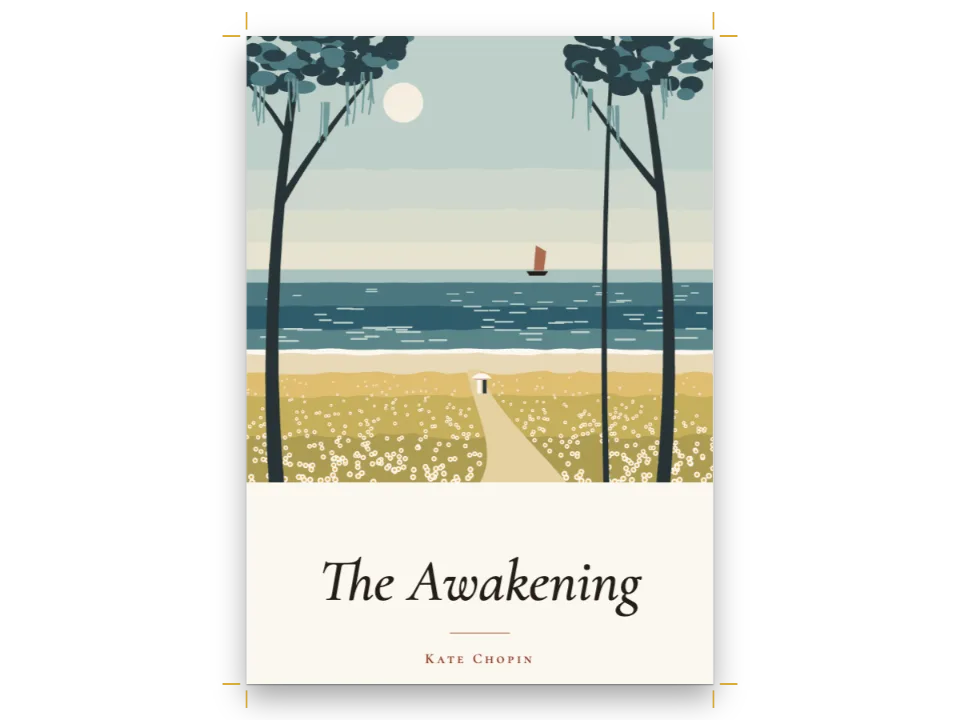
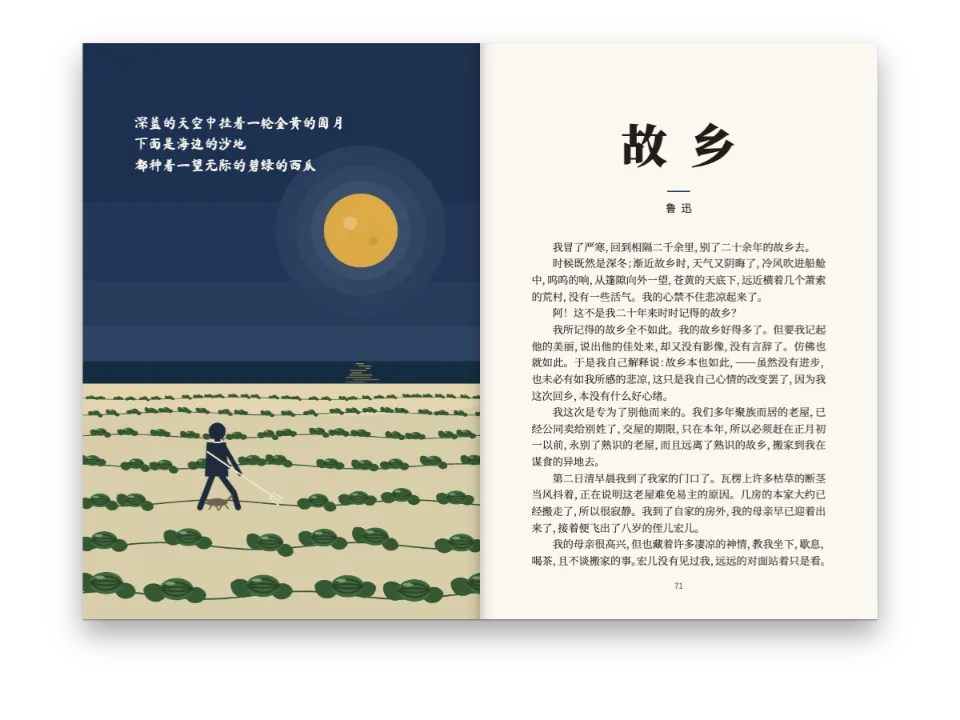
Once páginas de una edición taiwanesa en rústica del Romance de los Tres Reinos: el capítulo 1 entero, en la versión de Mao Zonggang, compuesto de arriba abajo en columnas que se leen desde la derecha, en una página de 148 × 210 mm (25開) encuadernada por la derecha. La portada queda sola a la izquierda del lomo. En el pliego siguiente, una xilografía de 1592 con el juramento del jardín de los melocotoneros da frente al comienzo del capítulo, donde 第一回 y su pareado van entre filetes bermellón. Cada página de texto lleva 16 columnas de 40 caracteres, con cada signo centrado en su casilla. El título del libro baja por el margen exterior de las páginas de la derecha y el del capítulo por el de las de la izquierda, sobre folios en numerales chinos. La misma estructura de libro en una novela europea en rústica es la Nº 038.
Esta receta responde a
- ¿Cómo compongo un libro chino en vertical, encuadernado por la derecha?
- ¿Cómo numero los capítulos 第一回, 第二回 con numerales chinos?
La respuesta corta
// 'vertical-rl' turns the flow a quarter turn: lines run down, columns from right to left,
// and page.binding 'auto' becomes 'right', so page 1 is a left-hand page and the spreads
// read [3 | 2]. The grid sets the type area in characters; the margins are minimums it
// grows. zh-Hant resolves to Taiwan's rules: every mark full width and centred in its cell.
const page = {
  sizePreset: 'custom', width: mm(148), height: mm(210), dpi: 150,
  backgroundColor: col('paper'),
  // 天頭 above 地腳; left is the spine side (the right edge of a left-hand page).
  margins: { top: mm(32), bottom: mm(26), left: mm(16), right: mm(22), mirror: true },
  pageNumbering: { format: 'trad-chinese-informal' }, // folios 一, 二 … 九, from the chapter
};
const layout = { layoutType: 'single', writingMode: 'vertical-rl' };
const cjk = { grid: { enabled: true, charsPerLine: 40, linesPerPage: 16 } };
const chapter = {
  level: 1, numberingTemplate: '第{1:一}回', numberSeparator: ' ', // 第一回 宴桃園…
  breakBefore: { enabled: true, parity: 'odd' }, // gotcha: headings-drop-h1-break
  marginBottom: pt(0),
};
Ingredientes
- Funciones
- Texto verticalLibros encuadernados por la derechaNumeración chinaCorte de líneas en chinoAnchura de la puntuación chinaRetícula de caracteresFuentes chinas, japonesas y coreanasAperturas diseñadasEstilos de títuloAtributos de títuloTítulos numeradosSaltos de línea en los títulosCabeceras y foliosCabeceras por secciónCabeceras según el tipo de páginaMárgenes simétricosEstilos de párrafoImágenes en los diseños de páginaExportación a PDFColor del papel
- También usa
- Fuentes incrustadas en el PDFFiguras y tablas como recursosPreliminares en romanosCapítulos sin número
- Tipografía
- Noto Serif TC, LXGW WenKai TC, Noto Sans TC, Source Serif 4 (SIL OFL 1.1)
- Recursos
peach-garden-oath-1592-v2.jpg- 桃園結義 (El juramento del jardín de los melocotoneros), xilografía de la edición de Yu Xiangdou, 新刊京本校正演義全像三國志傳評林, Jianyang, 1592 (Biblioteca de la Universidad de Waseda); escaneado de Wikimedia Commons, recortado dentro del marco y sin los restos de este, limpiado y entonado con la tinta y el papel de la página (Yu Xiangdou (publisher), anonymous block cutter, dominio público)
Elaboración
#1 · Gira la página un cuarto de vuelta y encuaderna por la derecha
El código es la respuesta corta de arriba. layout.writingMode: 'vertical-rl' compone cada página como una página horizontal girada un cuarto de vuelta en el sentido de las agujas del reloj: una línea del flujo es una columna de caracteres que se lee desde la derecha, y el corte de líneas, la justificación y la sangría de dos caracteres funcionan de arriba abajo (Escritura vertical). page.binding se queda en 'auto', que encuaderna por la derecha un libro vertical: la página 1 sigue siendo la impar, pero cae a la izquierda del lomo, y mirror: true pone su margen interior, left, a su derecha (Encuadernación). showBook, del kit, enseña los pliegos como se abre el libro, primero la página 1 sola y luego [3 | 2]; el PDF pide a los visores el mismo orden con /Direction /R2L, que Acrobat respeta y el visor de Chrome no.
La retícula de caracteres define la mancha como 40 caracteres de 10,5 pt de alto por 16 columnas de 19 pt de ancho, 148,2 × 107,2 mm. Los márgenes de page son mínimos: la retícula agranda por igual cada par, hasta 33,9 mm en la cabeza y 27,9 en el pie, 17,4 en el lomo y 23,4 en el corte. locale: 'zh-Hant' da a los ajustes de Asia oriental los valores de Taiwán: cada signo ocupa un cuadratín entero y va centrado en su casilla, sin compresión entre signos contiguos. trad-chinese-informal imprime los folios del 一 al 九, y 第{1:一}回 numera el capítulo (Numeración).
#2 · Enmarca el 回目 en dos columnas con filetes
// In the flow frame x runs down the column and y across the page, right to left, so a
// 'horizontal' rule is a vertical line on the sheet: three of them rule the title columns.
const [TITLE, PITCH] = [13.5, 1.5 * LEAD]; // pt: the couplet's size and its column pitch
const rule = (n) => ({ kind: 'rule', id: `rule-${n}`, direction: 'horizontal',
  thickness: pt(0.5), color: col('vermilion'),
  placement: { anchor: { to: 'container', edge: 'top-left' },
    offset: { y: pt(LEAD + n * PITCH) }, size: { width: 'fill' } } });
const title = (id, content, x, family, weight) => ({ kind: 'text', id, content,
  fontFamily: family, fontWeight: weight, fontSize: pt(TITLE), lineHeight: PITCH / TITLE,
  color: col('ink'), align: 'left', // the head of the column
  placement: { anchor: { to: 'container', edge: 'top-left' },
    offset: { x: pt(x), y: pt(LEAD) } } }); // a line of PITCH, centred between two rules
const opener = {
  enabled: true,
  minHeight: cols(5), // a blank column, the two title columns, a blank one: 5 × 19 pt
  slot: { elements: [
    rule(0), rule(1), rule(2),
    title('number', '{number}', 2 * BODY, SONG, 700), // 第一回, two characters down
    // The couplet's two halves, broken by the \\ in the heading, start level with each other.
    title('couplet', '{titleText}', 2 * BODY + 4 * TITLE, KAI, 400),
  ] },
};
El diseño de un título en una página vertical se compone en el marco del flujo: x baja por la columna desde la cabeza de la mancha e y cruza la página desde su borde derecho. Por eso un filete 'horizontal' es una línea vertical en el papel, tan larga como la columna. Tres filetes de 0,5 pt enmarcan dos columnas de título separadas 28,5 pt, vez y media el paso de columna del texto. Cada columna es una línea de 28,5 pt con los caracteres en su centro, a medio camino entre dos filetes. {number} imprime 第一回 en Noto Serif TC Bold, dos caracteres más abajo, y {titleText} imprime el pareado en LXGW WenKai TC, un carácter después. El título se escribe # 宴桃園豪傑三結義 \\ 斬黃巾英雄首立功, y el salto forzado lleva la segunda mitad a la columna siguiente, a la misma altura que la primera. minHeight reserva cinco columnas de 19 pt, así que el texto arranca en su retícula (Span y diseño avanzado). Donde el título se lee en una sola línea, en las cabeceras y en los marcadores del PDF, el salto se convierte en un espacio ideográfico.
#3 · Baja las cabeceras y los folios por el corte
const foreEdge = (id, content, parity, edge, y, pages) => ({
  kind: 'text', id, content, parity, pages, writingMode: 'vertical-rl',
  fontFamily: HEI, fontSize: pt(8.5), color: col('muted'), overflow: 'clip',
  placement: { anchor: { to: 'outer', edge }, offset: { y: em(y) } },
});
const header = { elements: [
  foreEdge('book', '{title}', 'even', 'top', 4, 'body'), // 三國演義 on the right-hand page
  foreEdge('chapter', '{chapterNumber} {chapterTitle}', 'odd', 'top', 4, 'body'),
  foreEdge('folio', '{pageNumber}', 'all', 'bottom', -5, 'all'), // on openers too
] };
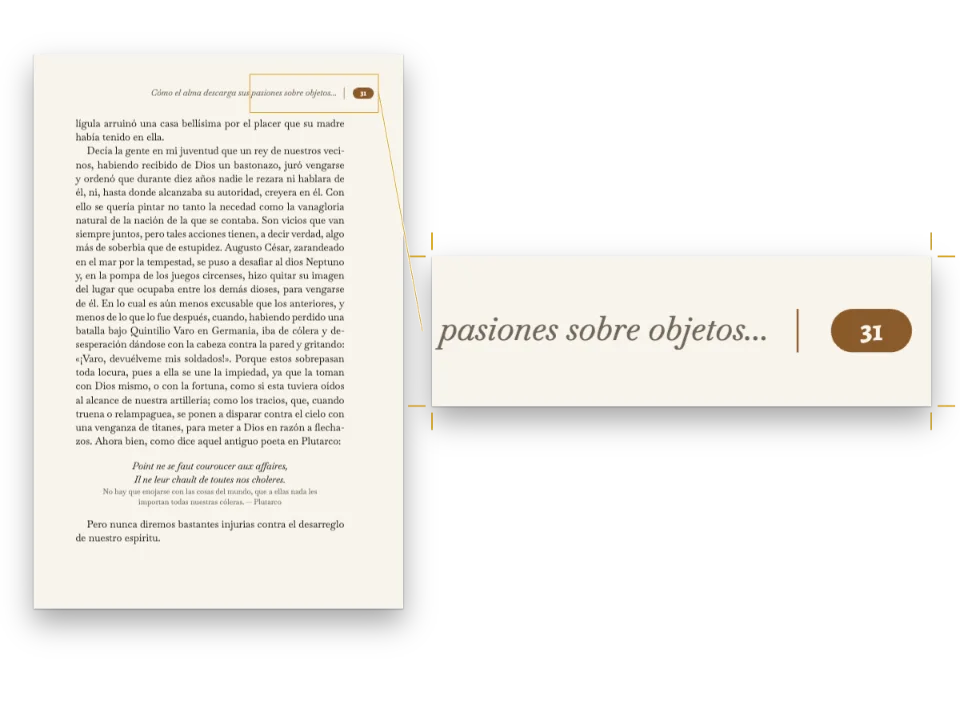
Los libros verticales de Taiwán suelen llevar la cabecera y el folio de arriba abajo en el margen exterior. writingMode: 'vertical-rl' compone en vertical un elemento de la cabecera, sobre el papel, y anchor.to: 'outer' lo coloca en el margen exterior, que en un libro encuadernado por la derecha es el izquierdo de las páginas impares y el derecho de las pares (Elementos de texto verticales). Los desplazamientos van en cuadratines del propio elemento, de 8,5 pt, alrededor del 80 % del cuerpo del texto: la cabecera empieza cuatro caracteres por debajo de la cabeza de la mancha y el folio acaba cinco por encima de su pie. parity pone 三國演義 en las páginas de la derecha y el capítulo en las de la izquierda. pages: 'body' aparta las dos cabeceras de la página de apertura, que conserva el folio.
#4 · Pon la lámina antes del capítulo
const none = { elements: [] };
// A point of a page design in the flow frame: mm down the column, mm leftward across the
// page from the right edge of the type area.
const at = (down, across) => ({ anchor: { to: 'container', edge: 'top-left' },
  offset: { x: mm(down), y: mm(across) } });
// The title slip (題簽), 96 × 22 mm: its axis, 55 mm in from the right of the type area, is
// the axis of the page, and of the imprint under it.
const SLIP = { down: 10, across: 44, long: 96, wide: 22 };
const AXIS = SLIP.across + SLIP.wide / 2;
const slip = (id, inset, thickness) => ({ kind: 'box', id,
  placement: { ...at(SLIP.down + inset, SLIP.across + inset),
    size: { width: mm(SLIP.long - 2 * inset), height: mm(SLIP.wide - 2 * inset) } },
  style: { borderColor: col('vermilion'), borderWidth: pt(thickness) } });
const RUN = (4 * 40 + 3 * 10) * PT; // 三國演義 down the slip: four 40 pt characters, 3 gaps
const titlePage = {
  id: 'title', numbered: false, toc: false, span: 'page', header: none,
  breakBefore: { enabled: true, parity: 'any' },
  footer: { elements: [{ kind: 'text', id: 'imprint', content: '{attr.colophon}',
    fontFamily: ROMAN, fontSize: pt(6.5), lineHeight: 1.4, color: col('muted'),
    // In the edition's language, set across and centred on the axis: the box runs from the
    // left of the type area (16 columns) as far past the axis. Each \n in the attribute
    // starts a line, and *…* sets the book's title in italic.
    inlineMarks: true, overflow: 'wrap', align: 'center',
    placement: { anchor: { to: 'container', edge: 'top-left' }, offset: { y: mm(4) },
      size: { width: mm(2 * (16 * LEAD * PT - AXIS)) } } }] },
  advancedDesign: { enabled: true, minHeight: cols(16), slot: { elements: [
    slip('slip', 0, 1.4), slip('slip-in', 1.2, 0.4), // a heavy and a light vermilion rule
    { kind: 'text', id: 'book', content: '{titleText}', fontFamily: SONG, fontWeight: 700,
      fontSize: pt(40), lineHeight: 1, letterSpacing: pt(10), color: col('ink'),
      placement: at(SLIP.down + (SLIP.long - RUN) / 2, AXIS - 20 * PT) }, // 40 pt line on the axis
    { kind: 'text', id: 'author', content: '{author} 著', fontFamily: KAI, fontSize: pt(12),
      color: col('ink'), placement: at(52, 72) },
    { kind: 'text', id: 'editor', content: '{attr.editor}', fontFamily: KAI, fontSize: pt(12),
      color: col('ink'), placement: at(52, 80) },
  ] } },
};
// The woodcut, 138 mm tall in a double frame (四周雙邊), hangs from the top right corner of
// the type area, and its caption runs down the column on its left. In the flow frame a
// box's width runs down the page: the picture's width is its height on the sheet, and it
// stands upright in the canvas, the HTML and the PDF.
const PLATE = { right: 8.3, top: 5.1, h: 138, w: (138 * 806) / 1427 }; // mm
const frame = (id, inset, thickness) => ({ kind: 'box', id,
  placement: { ...at(PLATE.top - inset, PLATE.right - inset),
    size: { width: mm(PLATE.h + 2 * inset), height: mm(PLATE.w + 2 * inset) } },
  style: { borderColor: col('ink'), borderWidth: pt(thickness) } });
const plate = {
  id: 'plate', numbered: false, toc: false, span: 'page', header: none, footer: none,
  breakBefore: { enabled: true, parity: 'any' },
  advancedDesign: { enabled: true, minHeight: cols(16), slot: { elements: [
    { kind: 'image', id: 'woodcut', resourceId: 'peach-garden',
      placement: { ...at(PLATE.top, PLATE.right), size: { width: mm(PLATE.h), height: 'auto' } } },
    frame('inner', 1.6, 0.4), frame('outer', 2.8, 1.4),
    { kind: 'text', id: 'caption', content: '{titleText}', fontFamily: HEI, fontSize: pt(9),
      color: col('ink'), placement: at(PLATE.top - 2.8, PLATE.right + PLATE.w + 7) },
    { kind: 'text', id: 'note', content: '{attr.note}', fontFamily: KAI, fontSize: pt(8),
      color: col('muted'), placement: at(PLATE.top - 2.8, PLATE.right + PLATE.w + 12) },
  ] } },
};
const resources = [{
  id: 'peach-garden', typeId: 'figure', kind: 'bitmap', createdAt: 0, updatedAt: 0,
  bitmap: { fileId: 'peach-garden.jpg', format: 'jpeg', width: 806, height: 1427 },
  caption: '桃園結義',
  altText: '桃園結義圖:劉備、關羽、張飛立於祭桌前,桌上香爐燭臺與三杯酒,旁有烏牛白馬。',
}];
La portada y la lámina son títulos de nivel 1 con estilo propio, # 三國演義 {style="title" …} y # 桃園結義 {style="plate" …}. numbered: false los deja fuera de la cuenta, así que el capítulo sigue siendo 第一回, y su propio header, vacío, sustituye a las cabeceras del corte. El breakBefore del capítulo pide página impar, la 3, en cuyo pliego la lámina queda a la derecha: el lector ve la imagen antes que el texto, como en las ediciones ilustradas (繡像) (Estilos de encabezado). Los folios también dejan fuera esas dos páginas. Un editor chino numera el texto (正文) desde su primera página, así que una línea :::numbering{startAt=1} justo antes del título del capítulo vuelve a empezar la cuenta en 一 en la página 3 (:::numbering); la portada y la lámina siguen contando como hojas para la paridad, y el visor y el PDF las rotulan 一 y 二 de todos modos (una variante, más abajo, las rotula aparte).
三國演義 va centrado a lo largo de su marco: RUN es la longitud de cuatro caracteres de 40 pt y los tres huecos de 10 pt que los separan, sin el espaciado que sigue al último. El footer de la portada compone a lo ancho, en el idioma de la edición, el pie de imprenta que guarda el atributo colophon del título. Noto Serif TC no tiene cursiva, así que el pie de imprenta va en Source Serif 4: inlineMarks: true lee los asteriscos que rodean el título del libro, y cada \n del atributo empieza una línea, de modo que las líneas se cortan donde lo pide el sentido (Elementos de texto). La caja mide el doble de la distancia entre el borde izquierdo de la mancha y el eje del marco, con lo que cada línea queda centrada bajo 三國演義. El diseño de la lámina cuelga la xilografía y su doble marco de la esquina superior derecha de la mancha, y compone el pie en dos columnas a su izquierda. En el marco del flujo el ancho de una caja corre a lo largo de la página, así que el width de la imagen es su alto en el papel; queda en pie en el lienzo, en el HTML y en el PDF, y el PDF etiquetado la lee como figura con su texto alternativo.
#5 · Carga cada voz con los caracteres que compone
// Fontsource cuts a Chinese face into about a hundred files; loadCjkFonts fetches those
// that hold the characters it is given (gotcha: cjk-fonts-slices). vertical: true loads the
// face again with its vertical punctuation forms, for the canvas.
const heads = markdown.match(/^# .*$/gm).join('').replace(/\{[^}]*\}/g, ''); // no attributes
const attr = (key) => markdown.match(new RegExp(`${key}="([^"]*)"`))?.[1] ?? '';
const verse = markdown.match(/:::paragraphs\{style="verse"\}[\s\S]*?\n:::/g).join('');
await loadFonts(FONTS, markdown); // the Latin files: the imprint
await loadCjkFonts({ [SONG]: ['400'] }, markdown, { vertical: true });
await loadCjkFonts({ [SONG]: ['700'] }, '三國演義第一回'); // no punctuation: no vertical twin
await loadCjkFonts({ [KAI]: ['400'] }, `${heads}${verse}${attr('editor')}${attr('note')}羅貫中著`,
  { vertical: true });
await loadCjkFonts({ [HEI]: ['400'] }, `${heads}第回一二三四五六七八九十`, { vertical: true });
El libro tiene tres voces: Noto Serif TC (宋) para el texto, LXGW WenKai TC (楷) para el pareado y los versos, y Noto Sans TC (黑) para el corte. Fontsource sirve cada peso de una fuente china en un centenar de archivos, cada uno con un tramo de caracteres, y loadCjkFonts descarga los que contienen el texto que recibe (Fuentes chinas, japonesas y coreanas). La fuente del texto recibe el capítulo entero y descarga 67 archivos; la Kai recibe los títulos y los versos y descarga 25, la Hei 15 y la negrita 4. La negrita compone siete caracteres y ningún signo, así que no carga formas verticales. La Source Serif 4 del pie de imprenta llega por loadFonts, como cualquier fuente latina, en redonda y en cursiva. renderToPdf recibe cjkPdfProvider, que incrusta esos mismos archivos como subconjuntos, e imageBytes para la xilografía.
La receta completa
// ═══ Postext Cookbook · Nº 075 · A vertical Chinese novel, bound on the right ════════ // https://postext.dev/en/cookbook/vertical-novel-right-bound // Code: MIT · Text: 三國演義 ch. 1, zh.wikisource (CC BY-SA 4.0) · Plate: woodcut, 1592 (PD) // Fonts: Noto Serif TC, LXGW WenKai TC, Noto Sans TC, Source Serif 4 (OFL) · Needs postext ≥ 1.9.0 import { buildDocument, renderPageToCanvas, clearMeasurementCache, registerResourceImage, loadVerticalAlternates, } from 'https://esm.sh/postext'; import { renderToPdf, decompressWoff2 } from 'https://esm.sh/postext-pdf'; const LANG = 'es'; // @lang: the language of the frame; the novel is Chinese in both editions const RECIPE = 'vertical-novel-right-bound'; // ─── 1 · Design ───────────────────────────────────────────────────────────── // #region palette: black ink, one vermilion, the paper the plate was toned to const palette = { ink: '#2a221d', // the text, and the woodcut's lines vermilion: '#a3301f', // 朱: the ruled columns of the opener, the title slip muted: '#6f655c', // fore-edge heads, folios, the imprint paper: '#fbf8f1', // the page; the plate's paper was toned to this value }; const col = (id) => ({ hex: palette[id], model: 'hex', paletteId: id }); const colorPalette = [ ...Object.entries(palette).map(([id, hex]) => ({ id, name: id, value: { hex, model: 'hex' } })), { id: 'main-color', name: 'defaults', value: { hex: palette.vermilion, model: 'hex' } }, ]; // #endregion const [SONG, KAI, HEI] = ['Noto Serif TC', 'LXGW WenKai TC', 'Noto Sans TC']; // 宋, 楷, 黑 const ROMAN = 'Source Serif 4'; // the imprint: Noto Serif TC has no italic const [BODY, LEAD] = [10.5, 19]; // pt: 五號 text on a column pitch of 1.8 em const cols = (n) => pt(n * LEAD); // n columns across the page const PT = 25.4 / 72; // mm in a point // #region answer: vertical text on a 25開 page, bound on the right, 40 characters × 16 columns // 'vertical-rl' turns the flow a quarter turn: lines run down, columns from right to left, // and page.binding 'auto' becomes 'right', so page 1 is a left-hand page and the spreads // read [3 | 2]. The grid sets the type area in characters; the margins are minimums it // grows. zh-Hant resolves to Taiwan's rules: every mark full width and centred in its cell. const page = { sizePreset: 'custom', width: mm(148), height: mm(210), dpi: 150, backgroundColor: col('paper'), // 天頭 above 地腳; left is the spine side (the right edge of a left-hand page). margins: { top: mm(32), bottom: mm(26), left: mm(16), right: mm(22), mirror: true }, pageNumbering: { format: 'trad-chinese-informal' }, // folios 一, 二 … 九, from the chapter }; const layout = { layoutType: 'single', writingMode: 'vertical-rl' }; const cjk = { grid: { enabled: true, charsPerLine: 40, linesPerPage: 16 } }; const chapter = { level: 1, numberingTemplate: '第{1:一}回', numberSeparator: ' ', // 第一回 宴桃園… breakBefore: { enabled: true, parity: 'odd' }, // gotcha: headings-drop-h1-break marginBottom: pt(0), }; // #endregion // #region opener: 第一回 and the couplet in two ruled columns, a quotation of the woodblock // In the flow frame x runs down the column and y across the page, right to left, so a // 'horizontal' rule is a vertical line on the sheet: three of them rule the title columns. const [TITLE, PITCH] = [13.5, 1.5 * LEAD]; // pt: the couplet's size and its column pitch const rule = (n) => ({ kind: 'rule', id: `rule-${n}`, direction: 'horizontal', thickness: pt(0.5), color: col('vermilion'), placement: { anchor: { to: 'container', edge: 'top-left' }, offset: { y: pt(LEAD + n * PITCH) }, size: { width: 'fill' } } }); const title = (id, content, x, family, weight) => ({ kind: 'text', id, content, fontFamily: family, fontWeight: weight, fontSize: pt(TITLE), lineHeight: PITCH / TITLE, color: col('ink'), align: 'left', // the head of the column placement: { anchor: { to: 'container', edge: 'top-left' }, offset: { x: pt(x), y: pt(LEAD) } } }); // a line of PITCH, centred between two rules const opener = { enabled: true, minHeight: cols(5), // a blank column, the two title columns, a blank one: 5 × 19 pt slot: { elements: [ rule(0), rule(1), rule(2), title('number', '{number}', 2 * BODY, SONG, 700), // 第一回, two characters down // The couplet's two halves, broken by the \\ in the heading, start level with each other. title('couplet', '{titleText}', 2 * BODY + 4 * TITLE, KAI, 400), ] }, }; // #endregion // #region fore-edge: the running head and the folio down the outer margin, in 黑 const foreEdge = (id, content, parity, edge, y, pages) => ({ kind: 'text', id, content, parity, pages, writingMode: 'vertical-rl', fontFamily: HEI, fontSize: pt(8.5), color: col('muted'), overflow: 'clip', placement: { anchor: { to: 'outer', edge }, offset: { y: em(y) } }, }); const header = { elements: [ foreEdge('book', '{title}', 'even', 'top', 4, 'body'), // 三國演義 on the right-hand page foreEdge('chapter', '{chapterNumber} {chapterTitle}', 'odd', 'top', 4, 'body'), foreEdge('folio', '{pageNumber}', 'all', 'bottom', -5, 'all'), // on openers too ] }; // #endregion // #region front: a title page and the plate facing the opener, no heads or folios const none = { elements: [] }; // A point of a page design in the flow frame: mm down the column, mm leftward across the // page from the right edge of the type area. const at = (down, across) => ({ anchor: { to: 'container', edge: 'top-left' }, offset: { x: mm(down), y: mm(across) } }); // The title slip (題簽), 96 × 22 mm: its axis, 55 mm in from the right of the type area, is // the axis of the page, and of the imprint under it. const SLIP = { down: 10, across: 44, long: 96, wide: 22 }; const AXIS = SLIP.across + SLIP.wide / 2; const slip = (id, inset, thickness) => ({ kind: 'box', id, placement: { ...at(SLIP.down + inset, SLIP.across + inset), size: { width: mm(SLIP.long - 2 * inset), height: mm(SLIP.wide - 2 * inset) } }, style: { borderColor: col('vermilion'), borderWidth: pt(thickness) } }); const RUN = (4 * 40 + 3 * 10) * PT; // 三國演義 down the slip: four 40 pt characters, 3 gaps const titlePage = { id: 'title', numbered: false, toc: false, span: 'page', header: none, breakBefore: { enabled: true, parity: 'any' }, footer: { elements: [{ kind: 'text', id: 'imprint', content: '{attr.colophon}', fontFamily: ROMAN, fontSize: pt(6.5), lineHeight: 1.4, color: col('muted'), // In the edition's language, set across and centred on the axis: the box runs from the // left of the type area (16 columns) as far past the axis. Each \n in the attribute // starts a line, and *…* sets the book's title in italic. inlineMarks: true, overflow: 'wrap', align: 'center', placement: { anchor: { to: 'container', edge: 'top-left' }, offset: { y: mm(4) }, size: { width: mm(2 * (16 * LEAD * PT - AXIS)) } } }] }, advancedDesign: { enabled: true, minHeight: cols(16), slot: { elements: [ slip('slip', 0, 1.4), slip('slip-in', 1.2, 0.4), // a heavy and a light vermilion rule { kind: 'text', id: 'book', content: '{titleText}', fontFamily: SONG, fontWeight: 700, fontSize: pt(40), lineHeight: 1, letterSpacing: pt(10), color: col('ink'), placement: at(SLIP.down + (SLIP.long - RUN) / 2, AXIS - 20 * PT) }, // 40 pt line on the axis { kind: 'text', id: 'author', content: '{author} 著', fontFamily: KAI, fontSize: pt(12), color: col('ink'), placement: at(52, 72) }, { kind: 'text', id: 'editor', content: '{attr.editor}', fontFamily: KAI, fontSize: pt(12), color: col('ink'), placement: at(52, 80) }, ] } }, }; // The woodcut, 138 mm tall in a double frame (四周雙邊), hangs from the top right corner of // the type area, and its caption runs down the column on its left. In the flow frame a // box's width runs down the page: the picture's width is its height on the sheet, and it // stands upright in the canvas, the HTML and the PDF. const PLATE = { right: 8.3, top: 5.1, h: 138, w: (138 * 806) / 1427 }; // mm const frame = (id, inset, thickness) => ({ kind: 'box', id, placement: { ...at(PLATE.top - inset, PLATE.right - inset), size: { width: mm(PLATE.h + 2 * inset), height: mm(PLATE.w + 2 * inset) } }, style: { borderColor: col('ink'), borderWidth: pt(thickness) } }); const plate = { id: 'plate', numbered: false, toc: false, span: 'page', header: none, footer: none, breakBefore: { enabled: true, parity: 'any' }, advancedDesign: { enabled: true, minHeight: cols(16), slot: { elements: [ { kind: 'image', id: 'woodcut', resourceId: 'peach-garden', placement: { ...at(PLATE.top, PLATE.right), size: { width: mm(PLATE.h), height: 'auto' } } }, frame('inner', 1.6, 0.4), frame('outer', 2.8, 1.4), { kind: 'text', id: 'caption', content: '{titleText}', fontFamily: HEI, fontSize: pt(9), color: col('ink'), placement: at(PLATE.top - 2.8, PLATE.right + PLATE.w + 7) }, { kind: 'text', id: 'note', content: '{attr.note}', fontFamily: KAI, fontSize: pt(8), color: col('muted'), placement: at(PLATE.top - 2.8, PLATE.right + PLATE.w + 12) }, ] } }, }; const resources = [{ id: 'peach-garden', typeId: 'figure', kind: 'bitmap', createdAt: 0, updatedAt: 0, bitmap: { fileId: 'peach-garden.jpg', format: 'jpeg', width: 806, height: 1427 }, caption: '桃園結義', altText: '桃園結義圖:劉備、關羽、張飛立於祭桌前,桌上香爐燭臺與三杯酒,旁有烏牛白馬。', }]; // #endregion const config = () => ({ // a factory: the engine caches resolved configs per object locale: 'zh-Hant', // written out, never LANG (gotcha: cjk-locale-tag) colorPalette, page, layout, cjk, bodyText: { fontFamily: SONG, fontSize: pt(BODY), lineHeight: pt(LEAD), color: col('ink'), boldColor: col('ink'), italicColor: col('ink'), referenceColor: col('ink'), textAlign: 'justify', firstLineIndent: em(2), indentAfterHeading: true, // every paragraph }, headings: { fontFamily: SONG, fontWeight: 700, color: col('ink'), levels: [{ ...chapter, advancedDesign: opener }] }, headingStyles: [titlePage, plate], paragraphStyles: [ // 詞 and 詩: one line to a column, four characters down, in 楷. { id: 'verse', fontFamily: KAI, textAlign: 'left', indent: em(4), firstLineIndent: em(0), marginTop: pt(0), marginBottom: pt(0) }, ], header, footer: none, }); // ─── 2 · Content ──────────────────────────────────────────────────────────── const markdown = String.raw`---Muestra en Markdown · 69 líneas · content.es.md
title: "三國演義" author: "羅貫中" --- # 三國演義 {style="title" editor="毛宗崗 評" colophon="Luo Guanzhong, *Romance de los Tres Reinos*, capítulo 1,\nen la versión de Mao Zonggang (hacia 1679).\nTexto: Wikisource en chino, revisión 2583915, CC BY-SA 4.0; un carácter corregido.\nLámina: xilografía de la edición de Yu Xiangdou, 1592.\nCompuesto en Noto Serif TC, LXGW WenKai TC, Noto Sans TC y Source Serif 4 (SIL OFL)."} # 桃園結義 {style="plate" note="明萬曆二十年余象斗刊《三國志傳評林》插圖"} :::numbering{startAt=1} # 宴桃園豪傑三結義 \\ 斬黃巾英雄首立功 詞曰: :::paragraphs{style="verse"} 滾滾長江東逝水,浪花淘盡英雄。 是非成敗轉頭空:青山依舊在,幾度夕陽紅。 白髮漁樵江渚上,慣看秋月春風。 一壺濁酒喜相逢:古今多少事,都付笑談中。 ::: 話說天下大勢,分久必合,合久必分。周末七國分爭,併入於秦。及秦滅之後,楚、漢分爭,又併入於漢。漢朝自高祖斬白蛇而起義,一統天下。後來光武中興,傳至獻帝,遂分為三國。推其致亂之由,殆始於桓、靈二帝。桓帝禁錮善類,崇信宦官。及桓帝崩,靈帝即位,大將軍竇武、太傅陳蕃,共相輔佐。時有宦官曹節等弄權,竇武、陳蕃謀誅之,作事不密,反為所害,中涓自此愈橫。 建寧二年四月望日,帝御溫德殿。方陞座,殿角狂風驟起,只見一條大青蛇,從梁上飛將下來,蟠於椅上。帝驚倒,左右急救入宮,百官俱奔避。須臾,蛇不見了。忽然大雷大雨,加以冰雹,落到半夜方止,壞卻房屋無數。建寧四年二月,洛陽地震;又海水泛濫,沿海居民,盡被大浪捲入海中。光和元年,雌雞化雄。六月朔,黑氣十餘丈,飛入溫德殿中。秋七月,有虹現於玉堂,五原山岸,盡皆崩裂。種種不祥,非止一端。帝下詔問群臣以災異之由,議郎蔡邕上疏,以為霓墮雞化,乃婦寺干政之所致,言頗切直。帝覽奏嘆息,因起更衣。曹節在後竊視,悉宣告左右,遂以他事陷邕於罪,放歸田里。後張讓、趙忠、封諝、段圭、曹節、侯覽、蹇碩、程曠、夏惲、郭勝十人朋比為奸,號為「十常侍」。帝尊信張讓,呼為「阿父」。朝政日非,以致天下人心思亂,盜賊蜂起。 時鉅鹿郡有兄弟三人:一名張角,一名張寶,一名張梁。那張角本是個不第秀才,因入山採藥,遇一老人,碧眼童顏,手執藜杖,喚角至一洞中,以天書三卷授之,曰:「此名太平要術。汝得之,當代天宣化,普救世人。若萌異心,必獲惡報。」角拜問姓名。老人曰:「吾乃南華老仙也。」言訖,化陣清風而去。角得此書,曉夜功習,能呼風喚雨,號為「太平道人」。中平元年正月內,疫氣流行,張角散施符水,為人治病,自稱「大賢良師」。角有徒弟五百餘人,雲游四方,皆能書符念咒。次後徒眾日多,角乃立三十六方,大方萬餘人,小方六七千,各立渠帥,稱為將軍;訛言:「蒼天已死,黃天當立;歲在甲子,天下大吉。」令人各以白土,書「甲子」二字於家中大門上。青、幽、徐、冀、荊、揚、兗、豫八州之人,家家侍奉大賢良師張角名字。角遣其黨馬元義,暗齎金帛,結交中涓封胥,以為內應。角與二弟商議曰:「至難得者,民心也。今民心已順,若不乘勢取天下,誠為可惜。」遂一面私造黃旗,約期舉事;一面使弟子唐周,持書報封諝。唐周乃徑赴省中告變。帝召大將軍何進調兵擒馬元義,斬之;次收封諝等一干人下獄。張角聞知事露,星夜舉兵,自稱「天公將軍」,張寶稱「地公將軍」,張梁稱「人公將軍」;申言於眾曰:「今漢運將終,大聖人出。汝等皆宜順天從正,以樂太平。」四方百姓,裹黃巾從張角反者四五十萬。賊勢浩大,官軍望風而靡。何進奏帝火速降詔,令各處備禦,討賊立功;一面遣中郎將盧植、皇甫嵩、朱雋,各引精兵,分三路討之。 且說張角一軍,前犯幽州界分。幽州太守劉焉,乃江夏竟陵人氏,漢魯恭王之後也;當時聞得賊兵將至,召校尉鄒靖計議。靖曰:「賊兵眾,我兵寡,明公宜作速招軍應敵。」劉焉然其說,隨即出榜招募義兵。榜文行到涿縣,引出涿縣中一個英雄。那人不甚好讀書;性寬和,寡言語,喜怒不言於色;素有大志,專好結交天下豪傑;生得身長七尺五寸,兩耳垂肩,雙手過膝,目能自顧其耳,面如冠玉,唇如塗脂;中山靖王劉勝之後,漢景帝閣下玄孫:姓劉,名備,字玄德。昔劉勝之子劉貞,漢武時封涿鹿亭侯,後坐酌金失侯,因此遺這一支在涿縣。玄德祖劉雄,父劉弘。弘曾舉孝廉,亦嘗作吏,早喪。玄德孤幼,事母至孝;家貧,販屨織席為業。家住本縣樓桑村。其家之東南,有一大桑樹,高五丈餘,遙望之,童童如車蓋。相者云:「此家必出貴人。」玄德幼時,與鄉中小兒戲於樹下,曰:「我為天子,當乘此車蓋。」叔父劉元起奇其言,曰:「此兒非常人也!」因見玄德家貧,常資給之。年十五歲,母使游學,嘗師事鄭玄、盧植,與公孫瓚等為友。及劉焉發榜招軍時,玄德年已二十八歲矣。 當日見了榜文,慨然長嘆。隨後一人厲聲言曰:「大丈夫不與國家出力,何故長嘆?」玄德回視其人:身長八尺,豹頭環眼,燕頷虎鬚,聲若巨雷,勢如奔馬。玄德見他形貌異常,問其姓名。其人曰:「某姓張,名飛,字翼德。世居涿郡,頗有莊田,賣酒屠豬,專好結交天下豪傑。適纔見公看榜而嘆,故此相問。」玄德曰:「我本漢室宗親,姓劉,名備。今聞黃巾倡亂,有志欲破賊安民;恨力不能,故長嘆耳。」飛曰:「吾頗有資財,當招募鄉勇,與公同舉大事,如何?」玄德甚喜,遂與同入村店中飲酒。正飲間,見一大漢,推著一輛車子,到店門首歇了;入店坐下,便喚酒保:「快斟酒來吃,我待趕入城去投軍。」玄德看其人:身長九尺,髯長二尺;面如重棗,唇如塗脂;丹鳳眼,臥蠶眉:相貌堂堂,威風凜凜。玄德就邀他同坐,叩其姓名。其人曰:「吾姓關,名羽,字長生,後改雲長,河東解良人也。因本處勢豪,倚勢凌人,被吾殺了;逃難江湖,五六年矣。今聞此處招軍破賊,特來應募。」玄德遂以己志告之。雲長大喜。同到張飛莊上,共議大事。 飛曰:「吾莊後有一桃園,花開正盛;明日當於園中祭告天地,我三人結為兄弟,協力同心,然後可圖大事。」玄德、雲長齊聲應曰:「如此甚好。」次日,於桃園中,備下烏牛白馬祭禮等項,三人焚香再拜而說誓曰:「念劉備、關羽、張飛,雖然異姓,既結為兄弟,則同心協力,救困扶危;上報國家,下安黎庶;不求同年同月同日生,只願同年同月同日死。皇天后土,實鑒此心。背義忘恩,天人共戮!」誓畢,拜玄德為兄,關羽次之,張飛為弟。祭罷天地,復宰牛設酒,聚鄉中勇士,得三百餘人,就桃園中痛飲一醉。來日收拾軍器,但恨無馬匹可乘。正思慮間,人報有兩個客人,引一夥伴儅,趕一群馬,投莊上來。玄德曰:「此天佑我也!」三人出莊迎接。原來二客乃中山大商:一名張世平,一名蘇雙,每年往北販馬,近因寇發而回。玄德請二人到莊,置酒管待,訴說欲討賊安民之意。二客大喜,願將良馬五十匹相送;又贈金銀五百兩,鑌鐵一千斤,以資器用。玄德謝別二客,便命良匠打造雙股劍。雲長造青龍偃月刀,又名「冷艷鋸」,重八十二斤。張飛造丈八點鋼矛。各置全身鎧甲。共聚鄉勇五百餘人,來見鄒靖。鄒靖引見太守劉焉。三人參見畢,各通姓名。玄德說起宗派,劉焉大喜,遂認玄德為侄。 不數日,人報黃巾賊將程遠志統兵五萬來犯涿郡。劉焉令鄒靖引玄德等三人,統兵五百,前去破敵。玄德等欣然領軍前進,直至大興山下,與賊相見。賊眾皆披髮,以黃巾抹額。當下兩軍相對,玄德出馬,左有雲長,右有翼德,揚鞭大罵:「反國逆賊,何不早降!」程遠志大怒,遣副將鄧茂出戰。張飛挺丈八蛇矛直出,手起處,刺中鄧茂心窩,翻身落馬。程遠志見折了鄧茂,拍馬舞刀,直取張飛。雲長舞動大刀,縱馬飛迎。程遠志見了,早吃一驚,措手不及,被雲長刀起處,揮為兩段。後人有詩讚二人曰: :::paragraphs{style="verse"} 英雄露穎在今朝,一試矛兮一試刀。 初出便將威力展,三分好把姓名標。 ::: 眾賊見程遠志被斬,皆倒戈而走。玄德揮軍追趕,投降者不計其數,大勝而回。劉焉親自迎接,賞勞軍士。次日,接得青州太守龔景牒文,言黃巾賊圍城將陷,乞賜救援。劉焉與玄德商議。玄德曰:「備願往救之。」劉焉令鄒靖將兵五千,同玄德、關、張,投青州來。賊眾見救兵至,分兵混戰。玄德兵寡不勝,退三十里下寨。玄德謂關、張曰:「賊眾我寡;必出奇兵,方可取勝。」乃分關公引一千軍伏山左,張飛引一千軍伏山右,鳴金為號,齊出接應。次日,玄德與鄒靖引軍鼓噪而進。賊眾迎戰,玄德引軍便退。賊眾乘勢追趕,方過山嶺,玄德軍中一齊鳴金,左右兩軍齊出,玄德麾軍回身復殺。三路夾攻,賊眾大潰。直趕至青州城下,太守龔景亦率民兵出城助戰。賊勢大敗,剿戮極多,遂解青州之圍。後人有詩讚玄德曰: :::paragraphs{style="verse"} 運籌決算有神功,二虎還須遜一龍。 初出便能垂偉績,自應分鼎在孤窮。 ::: 龔景犒軍畢,鄒靖欲回。玄德曰:「近聞中郎將盧植與賊首張角戰於廣宗,備昔曾師事盧植,欲往助之。」於是鄒靖引軍自回,玄德與關、張引本部五百人投廣宗來。至盧植軍中,入帳施禮,具道來意。盧植大喜,留在帳前聽調。 時張角賊眾十五萬,植兵五萬,相拒於廣宗,未見勝負。植謂玄德曰:「我今圍賊在此,賊弟張梁、張寶在潁川,與皇甫嵩、朱雋對壘。汝可引本部人馬,我更助汝一千官軍,前去潁川打探消息,約期剿捕。」玄德領命,引軍星夜投潁川來。時皇甫嵩、朱儁領軍拒賊,賊戰不利,退入長社,依草結營。嵩與儁計曰:「賊依草結營,當用火攻之。」遂令軍士,每人束草一把,暗地埋伏。其夜大風忽起。二更以後,一齊縱火,嵩與儁各引兵攻擊賊寨,火焰張天,賊眾驚慌,馬不及鞍,人不及甲,四散奔走。 殺到天明,張梁、張寶引敗殘軍士,奪路而走。忽見一彪軍馬,盡打紅旗,當頭來到,截住去路。為首閃出一將:身長七尺,細眼長髯;官拜騎都尉;沛國譙郡人也,姓曹,名操,字孟德。操父曹嵩,本姓夏侯氏;因為中常侍曹騰之養子,故冒姓曹。曹嵩生操,小字阿瞞,一名吉利。操幼時,好游獵,喜歌舞;有權謀,多機變。操有叔父,見操游蕩無度,嘗怒之,言於曹嵩。嵩責操。操忽心生一計:見叔父來,詐倒於地,作中風之狀。叔父驚告嵩,嵩急視之,操故無恙。嵩曰:「叔言汝中風,今已愈乎?」操曰:「兒自來無此病;因失愛於叔父,故見罔耳。」嵩信其言。後叔父但言操過,嵩並不聽。因此,操得恣意放蕩。時人有橋玄者,謂操曰:「天下將亂,非命世之才不能濟。能安之者,其在君乎?」南陽何顒見操,言:「漢室將亡,安天下者,必此人也。」汝南許劭,有知人之名。操往見之,問曰:「我何如人?」劭不答。又問,劭曰:「子治世之能臣,亂世之奸雄也。」操聞言大喜。年二十,舉孝廉,為郎,除洛陽北都尉。初到任,即設五色棒十餘條於縣之四門,有犯禁者,不避富豪,皆責之。中常侍蹇碩之叔,提刀夜行,操巡夜拿住,就棒責之。由是,內外莫敢犯者,威名頗震。後為頓丘令。因黃巾起,拜為騎都尉,引馬步軍五千,前來潁川助戰。正值張梁、張寶敗走,曹操攔住,大殺一陣,斬首萬餘級,奪得旗旌、金鼓、馬匹極多。張梁、張寶死戰得脫。操見過皇甫嵩、朱儁,隨即引兵追襲張梁、張寶去了。 卻說玄德引關、張來潁川,聽得喊殺之聲,又望見火光燭天,急引兵來時,賊已敗散。玄德見皇甫嵩、朱儁,具道盧植之意。嵩曰:「張梁、張寶勢窮力乏,必投廣宗去依張角。玄德可即星夜往助。」玄德領命,遂引兵復回。到得半路,只見一簇軍馬,護送一輛檻車;車中之囚,乃盧植也。玄德大驚,滾鞍下馬,問其緣故。植曰:「我圍張角,將次可破;因角用妖術,未能即勝。朝廷差黃門左豐前來體探,問我索取賄賂。我答曰:『軍糧尚缺,安有餘錢奉承天使?』左豐挾恨,回奏朝廷,說我高壘不戰,惰慢軍心;因此朝廷震怒,遣中郎將董卓來代將我兵,取我回京問罪。」張飛聽罷,大怒,要斬護送軍人,以救盧植。玄德急止之曰:「朝廷自有公論,汝豈可造次?」軍士簇擁盧植去了。 關公曰:「盧中郎已被逮,別人領兵,我等去無所依,不如且回涿郡。」玄德從其言,遂引軍北行。行無二日,忽聞山後喊聲大震。玄德引關、張縱馬上高岡望之,見漢軍大敗,後面漫山塞野,黃巾蓋地而來,旗上大書「天公將軍」。玄德曰:「此張角也!可速戰。」三人飛馬引軍而出。張角正殺敗董卓,乘勢趕來,忽遇三人衝殺,角軍大亂,敗走五十餘里。三人救了董卓回寨。卓問三人現居何職。玄德曰:「白身。」卓甚輕之,不為禮。玄德出,張飛大怒曰:「我等親赴血戰,救了這廝,他卻如此無禮!若不殺他,難消我氣!」便要提刀入帳來殺董卓。正是: :::paragraphs{style="verse"} 人情勢利古猶今,誰識英雄是白身? 安得快人如翼德,盡誅世上負心人! ::: 畢竟董卓性命如何,且聽下文分解。`; // content.<lang>.md: the same Chinese text in both // ─── 3 · Fonts ────────────────────────────────────────────────────────────── const FONTS = { 'Noto Serif TC': ['400', '700'], // 宋: the text; 700 for 第一回 and the title 'LXGW WenKai TC': ['400'], // 楷: the couplet, the 詞 and the poems, the plate's note 'Noto Sans TC': ['400'], // 黑: the fore-edge heads and folios, the plate's title 'Source Serif 4': ['400', '400i'], // the imprint, with the book's title in italic }; // ─── 4 · Build & show ─────────────────────────────────────────────────────── // #region voices: each face loads the slices of the characters it sets // Fontsource cuts a Chinese face into about a hundred files; loadCjkFonts fetches those // that hold the characters it is given (gotcha: cjk-fonts-slices). vertical: true loads the // face again with its vertical punctuation forms, for the canvas. const heads = markdown.match(/^# .*$/gm).join('').replace(/\{[^}]*\}/g, ''); // no attributes const attr = (key) => markdown.match(new RegExp(`${key}="([^"]*)"`))?.[1] ?? ''; const verse = markdown.match(/:::paragraphs\{style="verse"\}[\s\S]*?\n:::/g).join(''); await loadFonts(FONTS, markdown); // the Latin files: the imprint await loadCjkFonts({ [SONG]: ['400'] }, markdown, { vertical: true }); await loadCjkFonts({ [SONG]: ['700'] }, '三國演義第一回'); // no punctuation: no vertical twin await loadCjkFonts({ [KAI]: ['400'] }, `${heads}${verse}${attr('editor')}${attr('note')}羅貫中著`, { vertical: true }); await loadCjkFonts({ [HEI]: ['400'] }, `${heads}第回一二三四五六七八九十`, { vertical: true }); // #endregion await loadImage('peach-garden.jpg', asset('peach-garden-oath-1592-v2.jpg')); const doc = await buildWithFonts( () => buildDocument({ markdown, resources }, config()), markdown); showBook(doc, { title: t({ en: 'A vertical Chinese novel, bound on the right', es: 'Una novela china vertical, encuadernada por la derecha' }) }); offerPdf(() => renderToPdf(doc, { fontProvider: cjkPdfProvider, resourceBytes: imageBytes }), `${RECIPE}.pdf`);Kit · core, fonts, viewer, pdf, images, cjk: igual en todas las recetas · 457 líneas
// ─── Kit ── helpers shared by every Cookbook recipe · postext.dev/cookbook ───── // ─── Kit · core v1 ── the same in every recipe · postext.dev/cookbook ───────── function mm(value) { return { value, unit: 'mm' }; } function pt(value) { return { value, unit: 'pt' }; } function em(value) { return { value, unit: 'em' }; } /** The sample language's string: t({ en: 'Figure', es: 'Figura' }). */ function t(strings) { return strings[LANG] ?? Object.values(strings)[0]; } /** A file in this recipe's assets folder, served from the Postext repo by jsDelivr. */ function asset(file) { return `https://cdn.jsdelivr.net/gh/drnachio/postext@main/cookbook/${RECIPE}/assets/${file}`; } // ─── Kit · fonts v1 ── the same in every recipe · postext.dev/cookbook ──────── // Postext measures text with the faces the browser has loaded, and caches the // widths, so every face must be ready before the first build. Faces come from // Fontsource: the same static files the PDF embeds, so screen and PDF agree. /** faces = { 'Family Name': ['400', '400i', '700'] }. `text` is the sample: * letters beyond Latin-1 (č, ł, ő…) also load the latin-ext files. With * `optional`, a face Fontsource does not ship is skipped instead of failing. * Resolves to the number of faces added. */ async function loadFonts(faces, text = '', { optional = false } = {}) { kitStatus('Loading fonts…'); const ranges = { latin: 'U+0000-00FF,U+0131,U+0152-0153,U+02BB-02BC,U+02C6,U+02DA,U+02DC,U+0304,U+0308,U+0329,' + 'U+2000-206F,U+20AC,U+2122,U+2191,U+2193,U+2212,U+2215,U+FEFF,U+FFFD', 'latin-ext': 'U+0100-02BA,U+02BD-02C5,U+02C7-02CC,U+02CE-02D7,U+02DD-02FF,U+0304,U+0308,U+0329,' + 'U+1D00-1DBF,U+1E00-1E9F,U+1EF2-1EFF,U+2020,U+20A0-20AB,U+20AD-20C0,U+2113,U+2C60-2C7F,U+A720-A7FF', }; const subsets = /[Ā-˿Ḁ-ỿ]/.test(text) ? ['latin', 'latin-ext'] : ['latin']; const jobs = []; let added = 0; for (const [family, specs] of Object.entries(faces)) { const id = fontsourceId(family); const meta = optional ? await fontsourceMeta(family) : null; for (const spec of new Set(specs)) { const weight = parseInt(spec, 10); const style = spec.endsWith('i') ? 'italic' : 'normal'; if (hasFace(family, weight, style)) continue; if (optional && !(meta?.weights.includes(weight) && meta.styles.includes(style))) continue; for (const subset of subsets) { const url = `https://cdn.jsdelivr.net/npm/@fontsource/${id}@5/files/${id}-${subset}-${weight}-${style}.woff2`; const face = new FontFace(family, `url(${url}) format('woff2')`, { weight: String(weight), style, unicodeRange: ranges[subset] }); jobs.push(face.load().then((ready) => { document.fonts.add(ready); added++; }, () => { if (subset === 'latin' && !optional) throw new Error(`Fontsource has no ${family} ${weight} ${style}`); })); } } } await Promise.all(jobs).catch((error) => { kitFail(error); throw error; }); return added; } /** Runs `build` (a buildDocument or buildBundle call) and checks the faces * the pages use. A regular face missing from FONTS is loaded with a warning; * bold and italic variants are loaded when the family ships them. Then the * measurement caches are cleared and the build runs again. */ async function buildWithFonts(build, text = '') { const tried = new Set(); for (let round = 0; round < 3; round++) { kitStatus('Laying out…'); await new Promise(requestAnimationFrame); // let the status paint first const result = await Promise.resolve().then(build).catch((error) => { kitFail(error); throw error; }); const wanted = { base: {}, variants: {} }; for (const { font, base } of [result].flat().flatMap(fontStringsOf)) { const { family, weight, style } = parseFont(font); const key = `${family}|${weight}|${style}`; if (tried.has(key) || hasFace(family, weight, style)) continue; tried.add(key); (wanted[base ? 'base' : 'variants'][family] ??= []).push(`${weight}${style === 'italic' ? 'i' : ''}`); } if (Object.keys(wanted.base).length) { console.warn(`[cookbook] FONTS does not list ${JSON.stringify(wanted.base)}: loading them.`); } const added = await loadFonts(wanted.base, text) + await loadFonts(wanted.variants, text, { optional: true }); if (added === 0) return result; clearMeasurementCache(); } throw new Error('The fonts did not settle after three builds.'); } /** Every font string of the layout. `base` marks a block's own face; its * bold, italic and bold-italic variants are listed whether or not used. */ function fontStringsOf(doc) { const found = new Map(); const walk = (node) => { if (!node || typeof node !== 'object') return; if (Array.isArray(node)) { node.forEach(walk); return; } for (const [key, value] of Object.entries(node)) { if (typeof value === 'string' && /fontString$/i.test(key)) { found.set(value, found.get(value) || key === 'fontString'); } else if (value && typeof value === 'object') walk(value); } }; walk(doc.pages); walk(doc.blocks); return [...found].map(([font, base]) => ({ font, base })); } /** '700 37.5px Open Sans' / 'italic 400 13px "Source Serif 4"' → { family, weight, style }. * A string with no weight ('95.8px Young Serif', from a design text) is 400. */ function parseFont(font) { const m = /^(?:(italic|oblique)\s+)?(?:small-caps\s+)?(?:(\d+|bold|normal)\s+)?[\d.]+px\s+(.+)$/.exec(font.trim()); if (!m) throw new Error(`Unexpected font string: ${font}`); const weight = m[2] === 'bold' ? 700 : !m[2] || m[2] === 'normal' ? 400 : Number(m[2]); return { family: m[3].replace(/^["']|["']$/g, ''), weight, style: m[1] ? 'italic' : 'normal' }; } /** True when a loaded FontFace covers exactly this family, weight and style * (document.fonts.check() is also true for families nobody declared). */ function hasFace(family, weight, style) { for (const face of document.fonts) { if (face.status !== 'loaded' || face.style !== style) continue; if (face.family.replace(/^["']|["']$/g, '') !== family) continue; const [low, high = low] = face.weight.split(' ').map(Number); if (weight >= low && weight <= high) return true; } return false; } /** Fontsource's id for a family: 'Source Serif 4' → 'source-serif-4'. */ function fontsourceId(family) { return family.toLowerCase().replace(/\s+/g, '-'); } /** The weights and styles a family ships ({ weights: [400, 700], styles: ['normal', 'italic'] }), or null. */ function fontsourceMeta(family) { fontsourceMeta.cache ??= new Map(); const id = fontsourceId(family); if (!fontsourceMeta.cache.has(id)) { fontsourceMeta.cache.set(id, fetch(`https://api.fontsource.org/v1/fonts/${id}`) .then((res) => (res.ok ? res.json() : null), () => null)); } return fontsourceMeta.cache.get(id); } // ─── Kit · viewer v1 ── the same in every recipe · postext.dev/cookbook ─────── /** Shows the pages as facing spreads on a dark desk: the first page is a * recto on its own, then verso | recto pairs, as in a bound book. Pages * are painted when they scroll near the screen. */ function showPages(docs, { title, width = 460 } = {}) { const root = viewer(title); const pages = [docs].flat().flatMap((doc) => doc.pages.map((page) => ({ doc, page, n: (doc.pageIndexOffset ?? 0) + page.index }))); const spreads = []; let verso = null; for (const p of pages) { if (p.n % 2 === 1) { if (verso) spreads.push([verso, null]); verso = p; } else { spreads.push([verso, p]); verso = null; } } if (verso) spreads.push([verso, null]); const density = Math.min(window.devicePixelRatio || 1, 2); showPages.painter?.disconnect(); const painter = new IntersectionObserver((entries) => { for (const { isIntersecting, target } of entries) { if (!isIntersecting) continue; painter.unobserve(target); const { doc, page } = target.postext; renderPageToCanvas(page, doc, target, { scale: (width * density) / page.width }); } }, { rootMargin: '800px' }); showPages.painter = painter; root.replaceChildren(...spreads.map((pair) => { const spread = document.createElement('div'); spread.className = 'pt-spread'; for (const p of pair) { const figure = document.createElement('figure'); if (p) { const label = p.page.pageLabel || String(p.n + 1); const canvas = document.createElement('canvas'); canvas.postext = p; canvas.style.aspectRatio = `${p.page.width} / ${p.page.height}`; canvas.setAttribute('role', 'img'); canvas.setAttribute('aria-label', `Page ${label}`); const folio = document.createElement('figcaption'); folio.textContent = label; figure.append(canvas, folio); painter.observe(canvas); } else figure.className = 'pt-blank'; spread.append(figure); } return spread; })); kitStatus(`${pages.length} ${pages.length === 1 ? 'page' : 'pages'}`); document.documentElement.dataset.postext = 'ready'; return pages.length; } /** The desk, the bar and the error reporting, created once. */ function viewer(title) { if (!document.getElementById('pt-kit')) { document.head.insertAdjacentHTML('beforeend', `<style id="pt-kit"> :root { color-scheme: dark; } body { margin: 0; background: #0e1014; color: #b9bcc4; font: 13px/1.45 system-ui, sans-serif; } #pt-bar { position: sticky; top: 0; z-index: 1; display: flex; flex-wrap: wrap; align-items: center; gap: 6px 16px; padding: 10px 16px; background: rgb(14 16 20 / .92); backdrop-filter: blur(6px); border-bottom: 1px solid #23262d; } #pt-bar strong { color: #f4f1ea; font-weight: 600; } #pt-actions { display: flex; gap: 12px; margin-left: auto; } #pt-actions a, #pt-actions button { color: #d8a21a; font: inherit; background: none; border: 0; padding: 0; cursor: pointer; } #pages { display: grid; justify-items: center; gap: 48px; padding: 32px 16px 72px; } .pt-spread { display: flex; } .pt-spread figure { margin: 0; width: min(460px, 44vw); } .pt-spread canvas { display: block; width: 100%; background: #fff; box-shadow: 0 1px 2px rgb(0 0 0 / .5), 0 22px 44px -16px rgb(0 0 0 / .8); } .pt-spread figure:first-child canvas { box-shadow: inset -14px 0 14px -14px rgb(0 0 0 / .18), 0 1px 2px rgb(0 0 0 / .5), 0 22px 44px -16px rgb(0 0 0 / .8); } .pt-spread figcaption { margin-top: 10px; text-align: center; font: 600 10px/1 system-ui, sans-serif; letter-spacing: .18em; text-transform: uppercase; color: #6c7079; } .pt-blank { visibility: hidden; } @media (max-width: 760px) { .pt-spread { flex-direction: column; gap: 32px; } .pt-spread figure { width: min(460px, 92vw); } .pt-blank { display: none; } } </style>`); document.body.insertAdjacentHTML('afterbegin', '<header id="pt-bar"><strong id="pt-title"></strong><span id="pt-status" role="status"></span><span id="pt-actions"></span></header>'); document.getElementById('pt-title').textContent = document.title || 'Postext'; addEventListener('error', (event) => kitFail(event.error ?? event.message)); addEventListener('unhandledrejection', (event) => kitFail(event.reason)); } if (title) document.getElementById('pt-title').textContent = title; return document.getElementById('pages') ?? document.body.appendChild(Object.assign(document.createElement('main'), { id: 'pages' })); } function kitStatus(text) { viewer(); document.getElementById('pt-status').textContent = text; } function kitFail(error) { document.documentElement.dataset.postext = 'error'; kitStatus(`Error: ${error?.message ?? error}`); } // ─── Kit · pdf v1 ── the same in every recipe that exports a PDF ────────────── /** postext-pdf embeds TrueType bytes. Fetch the Fontsource file the screen * used, snapping to a weight the family ships and falling back to upright * when it has no italic: the PDF asks for every face a block could use. */ async function fontsourceProvider(family, weight, style) { const id = fontsourceId(family); const meta = await fontsourceMeta(family); const weights = meta?.weights?.length ? meta.weights : [400, 700]; const w = weights.reduce((a, b) => (Math.abs(b - weight) < Math.abs(a - weight) ? b : a)); const s = style === 'italic' && meta && !meta.styles.includes('italic') ? 'normal' : style; const res = await fetch(`https://cdn.jsdelivr.net/npm/@fontsource/${id}@5/files/${id}-latin-${w}-${s}.woff2`); if (!res.ok) throw new Error(`Fontsource has no ${family} ${w} ${s} (${res.status})`); return decompressWoff2(new Uint8Array(await res.arrayBuffer())); } /** A "Build the PDF" button in the bar. Once built: "Open the PDF" (a new * tab, since CodePen's preview frame cannot show PDFs) and a download link. */ function offerPdf(makePdf, filename) { viewer(); const button = Object.assign(document.createElement('button'), { type: 'button', textContent: 'Build the PDF' }); button.dataset.postextPdf = filename; button.addEventListener('click', async () => { button.disabled = true; button.textContent = 'Building the PDF…'; try { const bytes = await makePdf(); const url = URL.createObjectURL(new Blob([bytes], { type: 'application/pdf' })); const size = `${Math.max(1, Math.round(bytes.length / 1024))} KB`; button.replaceWith( Object.assign(document.createElement('a'), { href: url, target: '_blank', rel: 'noopener', textContent: 'Open the PDF ↗' }), Object.assign(document.createElement('a'), { href: url, download: filename, textContent: `Download ${filename} · ${size}` })); } catch (error) { button.disabled = false; button.textContent = 'Build the PDF'; kitFail(error); } }); document.getElementById('pt-actions').append(button); } // ─── Kit · images v1 ── recipes with pictures · postext.dev/cookbook ────────── /** Registers a photo or PNG for the canvas and keeps its bytes for the PDF. * fetch → ImageBitmap never taints the canvas (a plain cross-origin <img> would). */ async function loadImage(fileId, url) { const res = await fetch(url); if (!res.ok) throw new Error(`Image not found (${res.status}): ${url}`); const bytes = new Uint8Array(await res.arrayBuffer()); registerResourceImage(fileId, await createImageBitmap(new Blob([bytes]))); (loadImage.bytes ??= new Map()).set(fileId, bytes); } /** Registers SVG markup (drawn in code, or fetched) as a vector image. */ async function loadSvg(fileId, svg) { const img = new Image(); img.src = `data:image/svg+xml;charset=utf-8,${encodeURIComponent(svg)}`; await img.decode(); registerResourceImage(fileId, img); (loadImage.bytes ??= new Map()).set(fileId, new TextEncoder().encode(svg)); } /** renderToPdf({ resourceBytes: imageBytes }) */ function imageBytes(fileId) { return loadImage.bytes?.get(fileId); } /** renderToHtml({ resourceImageUrl: imageUrl }) */ function imageUrl(fileId) { const bytes = imageBytes(fileId); if (!bytes) return undefined; imageUrl.urls ??= new Map(); if (!imageUrl.urls.has(fileId)) { const type = /\.svg$/i.test(fileId) ? 'image/svg+xml' : /\.png$/i.test(fileId) ? 'image/png' : 'image/jpeg'; imageUrl.urls.set(fileId, URL.createObjectURL(new Blob([bytes], { type }))); } return imageUrl.urls.get(fileId); } // ─── Kit · cjk v1 ── Chinese, Japanese and Korean books · postext.dev/cookbook ─ // Fontsource ships a CJK family as about a hundred files per weight, each // declared in its stylesheet with the unicode-range it covers. The screen // loads the files the sample touches; the PDF gets the same files for the // characters its pages set in each face, and embeds each as a subset. // A book bound on the right (vertical text) is shown with its spreads // mirrored: page 1 alone on the left of the spine, then [3 | 2]. /** The files of a Fontsource face, read from its stylesheet: { url, range, * ranges }, the last declared first (the order the browser tries them in). */ function cjkSlices(family, weight, style) { cjkSlices.cache ??= new Map(); const id = fontsourceId(family); const css = `https://cdn.jsdelivr.net/npm/@fontsource/${id}@5/${weight}${style === 'italic' ? '-italic' : ''}.css`; if (!cjkSlices.cache.has(css)) { cjkSlices.cache.set(css, fetch(css) .then((res) => { if (!res.ok) throw new Error(`Fontsource has no ${family} ${weight} ${style} (${res.status})`); return res.text(); }) .then((text) => [...text.matchAll(/@font-face\s*{([^}]*)}/g)].map(([, rule]) => { const range = /unicode-range:\s*([^;]+);/.exec(rule)?.[1].trim() ?? 'U+0-10FFFF'; const ranges = range.split(',').map((part) => { const [lo, hi = lo] = part.trim().slice(2).split('-'); return [parseInt(lo, 16), parseInt(hi, 16)]; }); return { url: new URL(/url\(([^)]+?\.woff2)\)/.exec(rule)[1], css).href, range, ranges }; }).reverse())); } return cjkSlices.cache.get(css); } /** The file of `slices` that holds code point `cp`, if any. */ function cjkSliceFor(slices, cp) { return slices.find((slice) => slice.ranges.some(([lo, hi]) => cp >= lo && cp <= hi)); } /** Whether Fontsource serves `family` as a Chinese, Japanese or Korean * family (its subsets name the script). Fails when the API does not * answer: a CJK face taken for a Latin one would paint in a system face. */ async function isCjkFamily(family) { const meta = await fontsourceMeta(family); if (!meta) throw new Error(`api.fontsource.org did not describe ${family}: reload to try again`); return !!meta.subsets?.some((subset) => /^(chinese|japanese|korean)/.test(subset)); } /** faces = { 'Noto Serif TC': ['400', '700'] }, as for loadFonts: the * whole FONTS object may be passed, its other families are left to * loadFonts. Adds one FontFace per file of each CJK face with its * unicodeRange, then loads the files `text` touches. `text` is what the * faces set: the sample for the text face; a book in several voices calls * it once per voice (loadCjkFonts({ 'LXGW WenKai TC': ['400'] }, quotes)), * so the heading and quotation faces fetch and check only their own * characters. Fails when a character of `text` is in no file of a face. * List every weight the pages use: a weight left to buildWithFonts gets * the latin file only. With { vertical: true } it also loads each * family's vertical forms (brackets, quotes, pause marks) for the canvas, * which needs loadVerticalAlternates imported from postext. Resolves to * the number of files loaded. */ async function loadCjkFonts(faces, text, { vertical = false } = {}) { kitStatus('Loading fonts…'); let loaded = 0; try { if (vertical && typeof loadVerticalAlternates !== 'function') { throw new Error('loadCjkFonts(…, { vertical: true }) needs loadVerticalAlternates imported from postext'); } for (const [family, specs] of Object.entries(faces)) { if (!(await isCjkFamily(family))) continue; const twin = []; for (const spec of new Set(specs)) { const weight = parseInt(spec, 10); const style = spec.endsWith('i') ? 'italic' : 'normal'; const slices = await cjkSlices(family, weight, style); const missing = [...new Set(text)].filter((ch) => /\S/.test(ch) && !cjkSliceFor(slices, ch.codePointAt(0))); if (missing.length) { throw new Error(`${family} ${spec} has no file for ${missing.slice(0, 12).join(' ')}: ` + `give each face the text it sets (loadCjkFonts({ '${family}': ['${spec}'] }, text))`); } for (const slice of slices) { document.fonts.add(new FontFace(family, `url(${slice.url}) format('woff2')`, { weight: String(weight), style, unicodeRange: slice.range })); twin.push({ source: slice.url, weight: String(weight), style, unicodeRange: slice.range }); } const font = `${style === 'italic' ? 'italic ' : ''}${weight} 16px "${family}"`; loaded += (await document.fonts.load(font, text)).length; if (!document.fonts.check(font, text)) throw new Error(`${family} ${spec} did not load for the sample`); } // The same files under a twin name with the `vert` feature on: the // canvas paints the punctuation of vertical lines with it. if (vertical && twin.length) await loadVerticalAlternates(family, twin); } } catch (error) { kitFail(error); throw error; } return loaded; } /** The PDF font provider for recipes with CJK faces: a family whose * Fontsource subsets are Chinese, Japanese or Korean gets the files that * hold the characters its pages set (`request.codePoints`); any other * family goes to fontsourceProvider (the "pdf" block). */ async function cjkPdfProvider(family, weight, style, request) { if (!(await isCjkFamily(family))) return fontsourceProvider(family, weight, style); const meta = await fontsourceMeta(family); const weights = meta.weights?.length ? meta.weights : [400, 700]; const w = weights.reduce((a, b) => (Math.abs(b - weight) < Math.abs(a - weight) ? b : a)); const s = style === 'italic' && !meta.styles.includes('italic') ? 'normal' : style; const slices = await cjkSlices(family, w, s); const picked = new Set(); for (const cp of request?.codePoints ?? []) { const slice = cjkSliceFor(slices, cp); if (slice) picked.add(slice); } if (!picked.size) picked.add(slices[0]); return Promise.all(slices.filter((slice) => picked.has(slice)).map(async (slice) => { const res = await fetch(slice.url); if (!res.ok) throw new Error(`Fontsource file ${slice.url} (${res.status})`); return decompressWoff2(new Uint8Array(await res.arrayBuffer())); })); } /** showPages for a book bound on either edge. A right-bound book (the * document says so: doc.binding is 'right' for page.binding 'right' and * for vertical text) lies on the desk as it opens: page 1 alone on the * left of the spine, then [3 | 2], the spine shade on each page's inner * edge. `binding` ('left' | 'right') overrides the document's. */ function showBook(docs, { binding, ...options } = {}) { const count = showPages(docs, options); const right = (binding ?? [docs].flat()[0]?.binding) === 'right'; if (!document.getElementById('pt-kit-cjk')) { // The pages keep direction ltr: a canvas draws text in the direction its // element inherits, and under rtl each run would end where the engine // starts it, its brackets mirrored. document.head.insertAdjacentHTML('beforeend', `<style id="pt-kit-cjk"> .pt-spread[dir="rtl"] canvas { direction: ltr; } .pt-spread[dir="rtl"] figure:first-child canvas { box-shadow: inset 14px 0 14px -14px rgb(0 0 0 / .18), 0 1px 2px rgb(0 0 0 / .5), 0 22px 44px -16px rgb(0 0 0 / .8); } </style>`); } // Each pair stays [verso, recto] in the page; right to left, the verso // sits on the right. Phones stack the pages in reading order either way. for (const spread of document.querySelectorAll('#pages > .pt-spread')) spread.dir = right ? 'rtl' : 'ltr'; document.getElementById('pages').dataset.binding = right ? 'right' : 'left'; return count; } // ─── /Kit ───────────────────────────────────────────────────────────────────────
El script.js compuesto funciona tal cual: pégalo como script de módulo en cualquier página o abre la receta en CodePen. Carpeta de la receta en GitHub ↗
Variantes
#Escribe los folios cifra a cifra
cjk-decimal escribe un numeral por cifra. Este capítulo acaba en el folio 九, donde los dos formatos coinciden; a partir de la décima página de texto, 十 y 十一 serían 一〇 y 一一.
-  pageNumbering: { format: 'trad-chinese-informal' }, // folios 一, 二 … 九, from the chapter
+ pageNumbering: { format: 'cjk-decimal' }, // folios 一, 二 … 九, 一〇, 一一#Rotula aparte las páginas preliminares
La portada y la lámina no imprimen folio, pero el visor y el PDF las rotulan 一 y 二, igual que las dos primeras páginas del texto; con números romanos para las preliminares y los numerales chinos en la línea :::numbering, el PDF cuenta i, ii, 一, 二…
-  pageNumbering: { format: 'trad-chinese-informal' }, // folios 一, 二 … 九, from the chapter
+  pageNumbering: { format: 'lower-roman' }, // i, ii: the title page and the plate
-:::numbering{startAt=1}
+:::numbering{format="trad-chinese-informal" startAt=1}#Compón el capítulo en horizontal
La convención de China continental compone esta clase de capítulo en horizontal, encuadernado por la izquierda, en caracteres simplificados y con puntuación Kaiming: Una página de novela china en una retícula de 28 × 28.
Errores frecuentes
Error frecuente
Cualquier objeto headings desactiva el salto de página del H1
Por defecto un H1 salta a una página impar (always-odd), pero cualquier objeto headings anula ese valor, así que los capítulos van seguidos y span: 'page' no hace nada. Vuelve a declarar headings.levels[0].breakBefore: { enabled: true, parity } en cada configuración. Capítulos que abren en página impar →
Error frecuente
Etiqueta el documento zh-Hans o zh-Hant, no con LANG
Las ediciones de una receta son en y es, pero una muestra china es china en las dos: `locale: LANG` la etiquetaría como inglés o español, separaría sus palabras latinas, llamaría Figure o Figura a sus figuras y daría al PDF un idioma equivocado. Escribe tú la etiqueta: 'zh-Hans' (convenciones de la China continental: corte GB, puntuación Kaiming) o 'zh-Hant' (Taiwán: puntuación de ancho completo centrada); 'zh-HK' para Hong Kong. Un 'zh' a secas se lee como chino simplificado continental. Corte de líneas en chino →
Error frecuente
Las fuentes chinas se cargan por fragmentos, con el bloque cjk
Fontsource sirve una familia china, japonesa o coreana en un centenar de archivos por peso, cada uno con un intervalo de caracteres. loadFonts solo descarga el archivo latin, así que en pantalla los caracteres chinos salen de una fuente del sistema y se miden mal, y fontsourceProvider entrega al PDF ese archivo latin, que los imprime como cajas vacías. Añade el bloque cjk del kit, llama a loadCjkFonts(FONTS, markdown) después de loadFonts (una vez por voz, con el texto que compone, si el libro usa varias fuentes chinas) y pasa a renderToPdf fontProvider: cjkPdfProvider: ambos toman los archivos que contienen los caracteres del texto. Fuentes chinas, japonesas y coreanas →
Error frecuente
Un libro encuadernado por la derecha muestra sus pliegos con showBook
En un libro encuadernado por la derecha (chino vertical, o page.binding 'right') la página 1 sigue siendo impar, pero queda a la izquierda del lomo, y los pliegos se leen [3 | 2]. showPages compone todos los libros como si se encuadernaran por la izquierda; showBook, del bloque cjk, lee doc.binding y refleja los pliegos. capture.hero sigue nombrando un pliego en orden de lectura, [par, impar]: [2, 3]. Libros encuadernados por la derecha →
Error frecuente
Las transcripciones en chino tradicional traen caracteres simplificados sueltos
Los textos copiados de Wikisource o de otra edición en la web de un libro en chino tradicional traen a veces una forma simplificada (颙 por 顒 en el capítulo 1 de 三國演義), y una fuente TC como Noto Serif TC puede no tenerla. loadCjkFonts detiene la receta y nombra el carácter; en la página saldría con una fuente de sustitución. Recupera la forma tradicional en la muestra y dilo en los créditos. Fuentes chinas, japonesas y coreanas →
Error frecuente
Entrecomilla cada valor del frontmatter
YAML lee title: 1984 como un número y una fecha como un objeto Date, y los valores que no son cadenas se imprimen vacíos en los marcadores y dejan el PDF sin título. Entrecomilla cada valor: title: "1984". Metadatos del documento →
Créditos
- Receta
- Ignacio Ferro
- Texto
- 三國演義 (Romance de los Tres Reinos), capítulo 1, versión de Mao Zonggang (hacia 1679); transcripción de Wikisource, revisión 2583915, con un carácter corregido (颙 → 顒) · Luo Guanzhong; transcription by Wikisource editors · CC BY-SA 4.0
- Imágenes
- 桃園結義 (El juramento del jardín de los melocotoneros), xilografía de la edición de Yu Xiangdou, 新刊京本校正演義全像三國志傳評林, Jianyang, 1592 (Biblioteca de la Universidad de Waseda); escaneado de Wikimedia Commons, recortado dentro del marco y sin los restos de este, limpiado y entonado con la tinta y el papel de la página · Yu Xiangdou (publisher), anonymous block cutter · dominio público
- Fuentes
- Noto Serif TC (SIL OFL 1.1) · LXGW WenKai TC (SIL OFL 1.1) · Noto Sans TC (SIL OFL 1.1) · Source Serif 4 (SIL OFL 1.1)
- Código
- MIT, como Postext